Emerging
Jun 23, 2026 Major2
83%
São João da Bahia: Cultural Celebration Drives Billions in Economic Activity and Job Creation
São João da Bahia, celebrated as one of Brazil's major cultural events, generates billions of reais in economic activity, creates thousands of temporary jobs, and extends impact across tourism, commerce, agriculture, and financial services throughout the state and its interior municipalities.



Quick Facts
Who
Bahia State Government
What
Annual June festival celebration
When
June annually
Where
Bahia, Brazil
- Annual June festival celebration
- Economic impact through tourism and commerce
- Job creation in temporary positions
- Agricultural product demand increase
- Digital payment method adoption
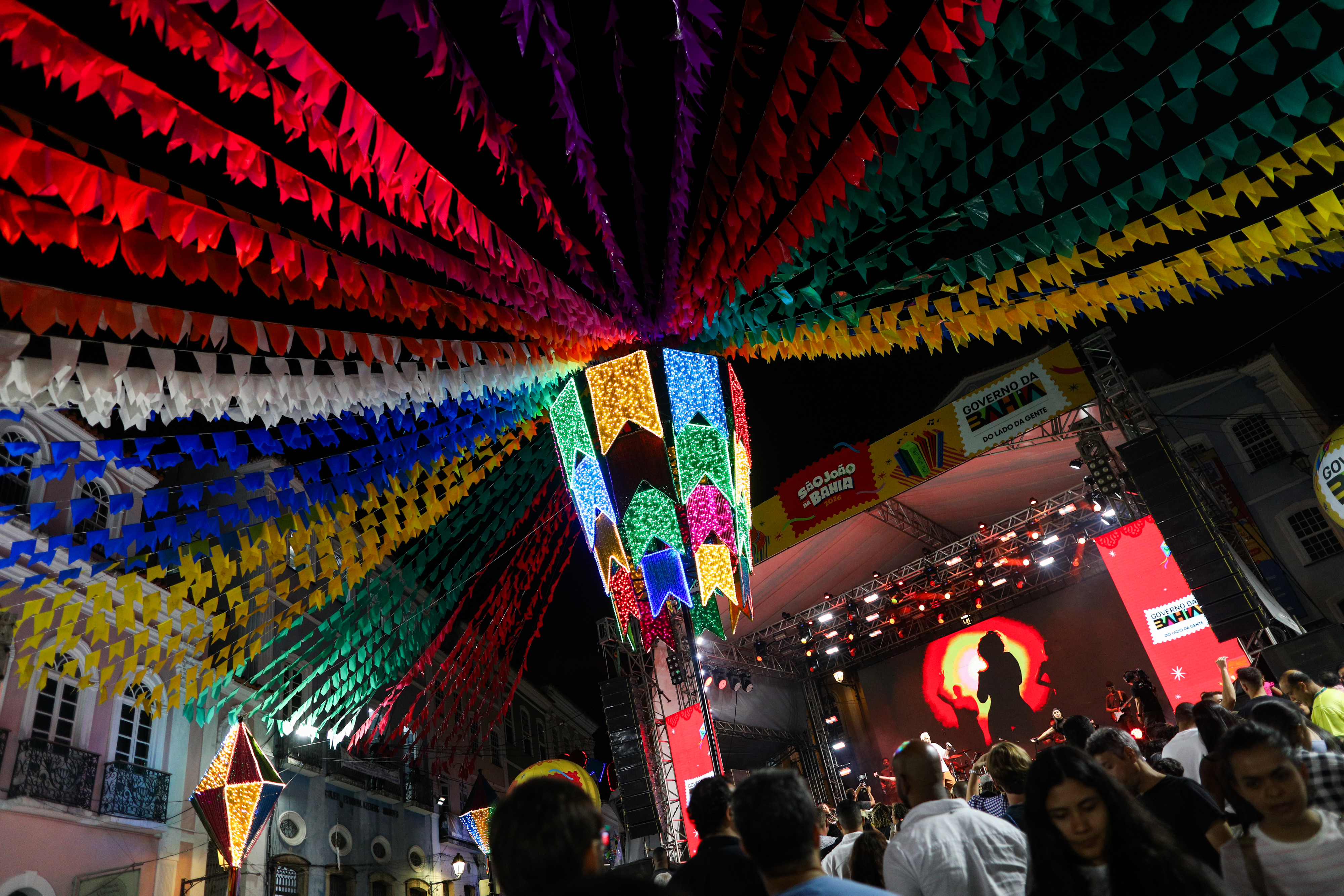
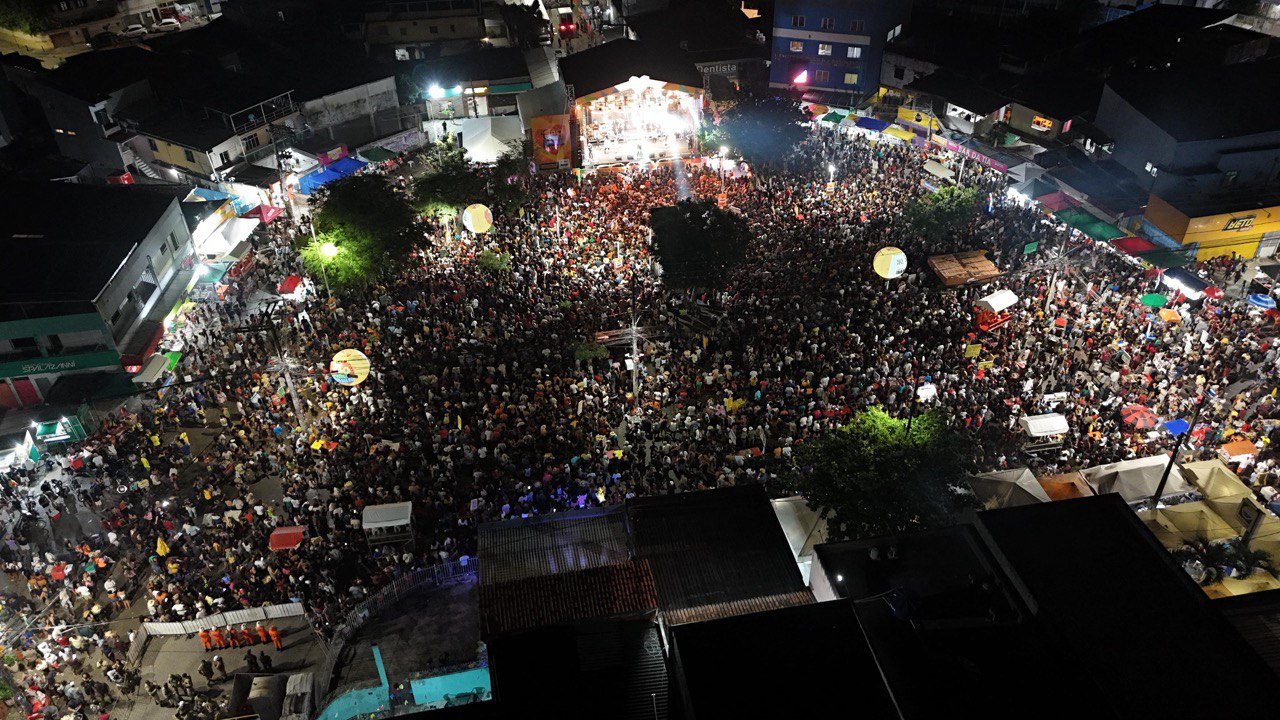
São João da Bahia has established itself as one of Brazil's largest cultural and economic events, generating substantial economic impact across the northeastern state. In 2025, the festival attracted over 1.8 million visitors and injected approximately R$ 2.3 billion into Bahia's economy. For 2026, state authorities have allocated more than R$ 146 million to support celebrations across 282 municipalities, with projections suggesting economic movement between R$ 2.1 billion and R$ 2.5 billion—consolidating São João as Brazil's second-largest festive economic event after Carnival.
The festival's economic reach extends across multiple sectors and regions. Tourism, commerce, agriculture, transportation, and services all experience significant growth during the June festivities. Interior cities such as Cruz das Almas, Amargosa, Santo Antônio de Jesus, Senhor do Bonfim, Irecê, Jequié, and Serrinha report high hotel occupancy rates and substantial increases in local consumption. Restaurants, bars, lodgings, supermarkets, fuel stations, and small retailers experience notable revenue increases. Agricultural producers benefit from heightened demand for corn, peanuts, cassava, liqueurs, and regional fruits, strengthening small farmers and cooperatives throughout rural areas.
Employment generation represents a critical component of São João's economic contribution. The festivities create thousands of temporary positions for musicians, sound and lighting technicians, stage builders, security personnel, street vendors, drivers, waitstaff, and cleaning professionals. For many families, June earnings provide essential financial support for subsequent months. The Union of Bahia Municipalities emphasizes that the celebrations warm multiple economic sectors while increasing municipal tax revenues and strengthening local economies.
Beyond traditional commerce, São João has emerged as a catalyst for financial innovation and entrepreneurial development. Digital payment methods—including Pix, digital wallets, and payment terminals—have transformed operations for street vendors, small entrepreneurs, and merchants during the festivities. This technological adoption has expanded financial inclusion across various state regions. Simultaneously, growing interest in financial planning and investment alternatives reflects changing behaviors among Bahian populations, with state data showing over 242,000 individual investors managing more than R$ 15 billion in assets. Market specialists note that periods of strong economic activity, such as São João, present opportunities for entrepreneurs to convert seasonal earnings into sustainable business growth and long-term financial planning.
Why This Matters
São João da Bahia demonstrates how cultural events create measurable economic multipliers beyond entertainment—generating billions in revenue, seasonal employment opportunities, and catalyzing digital payment adoption and financial inclusion. For readers, this illustrates how regional celebrations can strengthen small businesses, agricultural sectors, and entrepreneurial development while showcasing Brazil's second-largest festive economy after Carnival.