
Yesterday·Emerging
Follow-up 2h ago Major3
100%
Saudi Arabia reroutes oil exports via Oman as pipeline repairs stall
Saudi Arabia is rerouting crude oil exports via ship-to-ship transfers near Oman after drone attacks shut down its East-West pipeline, cutting exports by over 70 percent. Repairs are expected to take three to five weeks, forcing reliance on more expensive alternative routes through the Persian Gulf.
Quick Facts
- Drone attacks on East-West pipeline
- Pipeline shutdown halting oil flow to Red Sea port
- Redirection of crude via ship-to-ship transfers in Gulf of Oman
- Cancellation of oil cargoes to European buyers
- Use of tankers with tracking systems switched off



Saudi Arabia is redirecting crude oil exports through the Persian Gulf and Oman following drone attacks that damaged its East-West pipeline, which normally transports oil from eastern fields to the Red Sea port of Yanbu. The pipeline shutdown removed 4–5 million barrels per day from global supply. Repairs are estimated to take three to five weeks, according to regional officials cited by the Associated Press.
Total Saudi crude loadings have fallen more than 70 percent, from 7.5 million barrels per day in January–February to approximately 2.1 million barrels per day in early September. Storage at Yanbu has dropped to below 15 million barrels—enough to cover only a few days of exports at current rates of 3.5 million barrels daily. Saudi Aramco cancelled several oil cargoes destined for European buyers this month.
To maintain exports, Saudi Arabia is using ship-to-ship transfers in the Gulf of Oman near Sohar to avoid routing crude through the Strait of Hormuz, which has remained largely closed since the US-Israel conflict with Iran began on 28 February. Some tankers are also operating with tracking systems switched off. These alternative routes carry higher freight costs and insurance premiums, and depend on tanker availability. The United Arab Emirates' ADNOC has similarly used ship-to-ship transfers to supply markets outside the Strait.
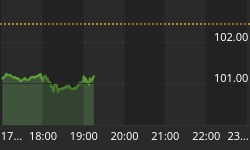
Oil prices initially spiked following the pipeline attack, with Brent crude briefly exceeding $108 per barrel and West Texas Intermediate topping $103 per barrel. However, prices later declined as markets interpreted Saudi Arabia's announcement of rerouted exports as a signal that some supply disruptions may be short-lived. At the time of reporting, Brent crude was trading at $105.89 per barrel, with WTI at $102.39 per barrel. Global energy markets remain sensitive to further disruptions in the region, where the Strait of Hormuz continues to experience periodic vessel strikes.
Why This Matters
Saudi Arabia's East-West pipeline shutdown removes 4–5 million barrels per day from global crude supply, forcing costly alternative export routes via ship-to-ship transfers in the Gulf of Oman. Total Saudi loadings have fallen from 7.5 million bpd to 2.1 million bpd, with Yanbu storage dropping below 15 million barrels—covering only days of current export rates. Repair delays of three to five weeks extend supply disruption in a region where the Strait of Hormuz remains partially restricted, keeping global energy markets volatile and raising freight costs and insurance premiums for alternative routes.
Timeline & Sources
Feb 28, 2026
WireUS-Israel conflict with Iran begins; Strait of Hormuz largely closes
Sep 17, 2026
WireSaudi Aramco announces rerouting of crude via ship-to-ship transfers; oil prices decline as markets view disruption as potentially short-lived; Brent crude at $105.89/bbl, WTI at $102.39/bbl