
Oct 17·Geo
Follow-up 2h ago Major5
96%
Alberta Voters Decide on Independence Path; Early Turnout Reaches 43%
Alberta voters decided on October 19 whether to pursue a legal process toward potential independence, with 43% of eligible voters casting advance ballots—an unusually high early turnout. Recent polling showed support for remaining in Canada had risen to 74%, while independence support remained at approximately 21–22%, though separatist leaders maintained confidence in their campaign's future prospects.
Quick Facts
- Non-binding referendum on whether to begin legal process toward potential independence
- Early voting period with 43% participation
- Campaign by separatist groups to mobilize voters
- Campaign by federal and provincial unity supporters
- Polling showing rising support for remaining in Canada
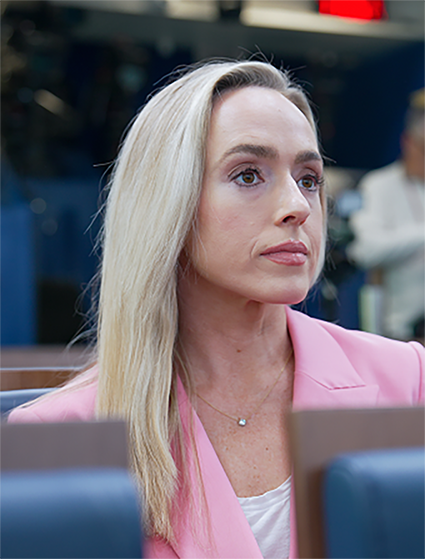


Albertans voted on October 19 on whether to begin a legal process toward potential independence, with early participation reaching 43% of eligible voters—an unusually high level that underscores intense public interest in the referendum. The vote was not a direct referendum on separation; instead, it asked whether the province should pursue a future binding referendum on independence. Premier Danielle Smith, who called the referendum despite opposing separation, acknowledged polling showed approximately 22% support for the independence option, which she described as still too high. Prime Minister Mark Carney, who grew up in Alberta, campaigned heavily for unity, urging voters to reject the path toward separation and emphasizing that Alberta's oil resources are essential to reducing Canada's dependence on the United States.
Alberta's separatist movement has transformed from a historically fringe cause into a significant political force over the past four years. Former Premier Jason Kenney noted that independence parties had attracted only 1–2% of support traditionally, but the movement gained momentum through the COVID-19 pandemic and the 2022 Freedom Convoy. Separatist leaders cited federal vaccine mandates and broader pandemic restrictions as catalysts for organizing, and some activists later converged around independence as a broader political cause. Recent polling by Leger, conducted October 14–16 among 1,000 Albertans, showed support for remaining in Canada had risen from 65% in August to 74% in October, while support for independence fell from 23% to 21% over the same period.
The referendum took place amid heightened geopolitical tensions. The vote coincided with U.S.–Canada trade disputes and public rhetoric about North American integration, which paradoxically rallied Canadian nationalism even in traditionally conservative Alberta. Carney received strong applause at campaign rallies when discussing trade diversification away from the United States. The province is home to the world's fourth-largest proven oil reserves, and disagreements over federal energy policy—particularly carbon taxes and climate measures under previous Liberal governments—have fueled long-standing provincial grievances with Ottawa. The referendum also came days after a deadly fire at Canadian Forces Base Wainwright that killed four service members and injured 39 others.
Separatist organizers, including leaders Mitch Sylvestre and Jeff Rath, expressed confidence in their campaign's momentum despite polling disadvantages. Sylvestre stated he would be surprised if independence support fell below 40%, and separatist groups held rallies on October 17 to mobilize voters. Kenney, however, observed that the modern independence movement included overlap with convoy activists and people holding conspiracy-related views—though he characterized typical separation voters as frustrated Albertans sending a message to the federal government rather than committed separatists. Elections Alberta announced results would not be released until after 10 p.m. local time on October 19.
Why This Matters
Alberta's non-binding October 19 referendum determines whether the province will pursue a legal process toward a future binding independence vote. Early turnout of 43% demonstrates unusually high civic engagement on the question. Recent polling shows 74% support for remaining in Canada versus 21% for independence, but the referendum outcome will clarify whether separatist organizing over four years has shifted underlying provincial sentiment on constitutional status. Results affect federal-provincial relations, energy policy negotiations, and Canadian national unity discourse during concurrent U.S.–Canada trade tensions.
Timeline & Sources
Jan 1, 2022
WireFreedom Convoy paralyzes Ottawa and blocks Canada-U.S. border crossings; Danielle Smith replaces Jason Kenney as Alberta Premier
Sources
- Canada Carney Alberta Separation Vote Independence 1fd99a12188ff82a33a914a0051a0908apWireOct 19, 2026
- Support for Alberta remaining in Canada steadily rises ahead of Oct. 19 referendum: Leger pollEdmonton JournalMediaOct 17, 2026
- How Alberta separatism went from fringe cause to referendumPBSMediaOct 17, 2026
- Canada: Alegătorii din provincia Alberta vor fi consultaţi luni în legătură cu începerea separării de...Digi24MediaOct 17, 2026
- Canada - Miting separatist în Alberta, cu 48 de ore înaintea votului privind organizarea unui referendum pentru independenţă - VIDEONews.roMediaOct 18, 2026