
Emerging
Published Aug 5, 2026Updated Aug 5 Major5
100%
Russia Allows Lower-Emission Gasoline Sales Until July 2027 Amid Fuel Crisis
Russia's government approved the sale of lower-emission Euro-2, Euro-3, and Euro-4 gasoline until July 1, 2027, as a temporary crisis measure to stabilize fuel supplies amid production constraints and logistical disruptions. The decision invalidates a previous allowance for higher-sulfur fuel and requires clear labeling of fuel environmental class at gas stations.
Quick Facts
- Adopted resolution permitting production and circulation of Euro-2, Euro-3, and Euro-4 gasoline
- Invalidated previous decision allowing K5-class gasoline with higher sulfur content
- Mandated fuel environmental class labeling at gas stations
- Characterized measure as temporary anti-crisis policy
- Russian government

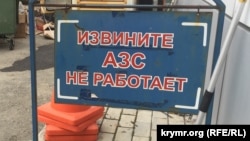
The Russian government adopted a resolution on August 5, 2026, permitting the production, import, and sale of Euro-2, Euro-3, and Euro-4 gasoline until July 1, 2027. The measure replaces a previous decision that allowed higher-sulfur K5-class gasoline circulation until the end of 2026. Gas stations must display information about the environmental class of fuel sold, enabling consumers to make informed choices.
The Energy Ministry characterized the decision as temporary and anti-crisis in nature, aimed at ensuring stable domestic fuel supply and preventing shortages. Officials stated the measure does not represent a revision of Russia's long-term environmental policy for motor fuel, but rather addresses immediate logistical and technological constraints affecting fuel market operations.
Russia has experienced fuel shortages since early June 2026, attributed in part to Ukrainian drone strikes on petroleum refineries and fuel infrastructure. The relaxation allows additional volumes of lower-emission gasoline to reach the domestic market, reducing supply disruption risks. Euro-2 gasoline sales were banned in Russia in 2013. Euro-2 and Euro-3 fuel contain significantly higher sulfur and aromatic hydrocarbon levels compared to modern Euro-5 standards, raising environmental and health concerns according to environmental experts.
Why This Matters
Russian fuel supplies face constraints from refinery damage and logistical disruptions since June 2026. The temporary authorization of lower-standard Euro-2, Euro-3, and Euro-4 gasoline—discontinued in Russia since 2013—enables additional fuel volumes to reach domestic markets through 2027. This increases fuel availability but reintroduces gasoline with higher sulfur and aromatic hydrocarbons; consumers and importers must track environmental classifications at point of sale. The measure expires July 1, 2027, or when supply stabilizes.
Timeline & Sources
Jan 1, 2013
WireRussia banned Euro-2 gasoline sales
Aug 5, 2026
WireRussian government adopted resolution permitting Euro-2, Euro-3, and Euro-4 gasoline until July 1, 2027
Dec 31, 2026
WirePrevious allowance for K5-class higher-sulfur gasoline expires (now invalidated)
Jul 1, 2027
WirePermit for Euro-2, Euro-3, and Euro-4 gasoline expires
Related Signals
Sources
- Russian government allows sale of Euro·2, Euro·3, Euro·4 gasoline until July 2027tassMediaAug 5, 2026
- Energy Ministry explains relaxations of gasoline requirementstassMediaAug 5, 2026
- В России разрешили импорт и продажу бензина более низкого экологического классаMeduza — НовостиMediaAug 5, 2026
- Кабмин РФ разрешил до 1 июля 2027 года импорт, выпуск и обращение бензина Евро 2, Евро 3, Евро 4ИнтерфаксMediaAug 5, 2026
- Власти России разрешили продажу бензина низкого качестваРадио СвободаMediaAug 5, 2026