Geo
Jun 19, 20261
79%
US-Iran peace talks in Switzerland abruptly cancelled amid escalating Israel-Hezbollah violence
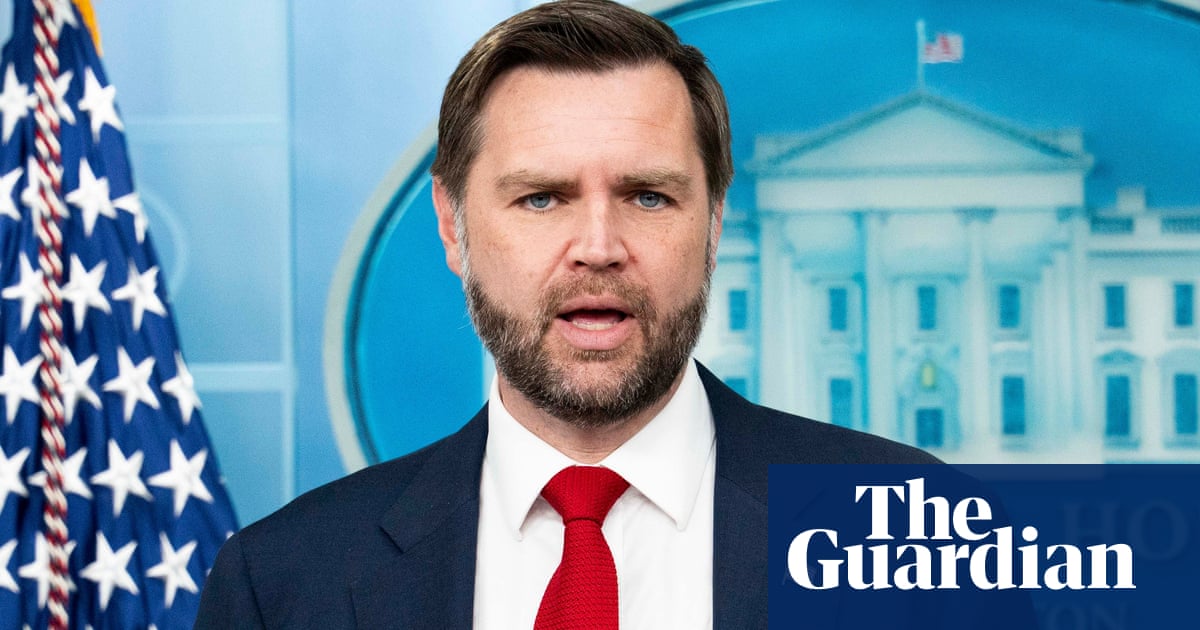
The US and Iran abruptly cancelled peace talks scheduled for Friday in Switzerland, triggered by escalating violence between Israel and Hezbollah in southern Lebanon. The high-level meeting, led by Vice-President JD Vance, was meant to implement an MOU on Iran's nuclear program and restore oil shipments, but was called off as Hezbollah and Israel traded heavy strikes, leaving multiple civilians dead.
Quick Facts
Who
United States
What
US-Iran talks abruptly cancelled
When
Friday (scheduled talks)
Where
Switzerland
- US-Iran talks abruptly cancelled
- Hezbollah targets Israeli forces with rockets near Nabatieh
- Israel carries out airstrikes in southern Lebanon
- Memorandum of Understanding signed for 60-day negotiation window
- US lifts blockade of Iranian ports
High-stakes talks between the United States and Iran, scheduled for Friday in Switzerland to implement a recent peace agreement, were abruptly cancelled as Hezbollah and Israel exchanged their most intense strikes since the ceasefire that ended months of conflict.
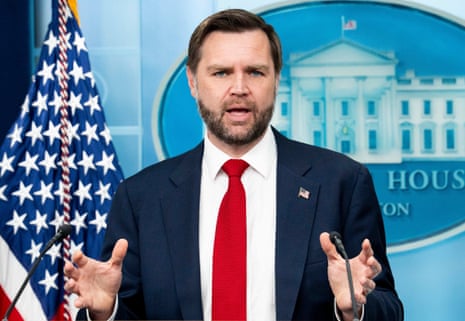
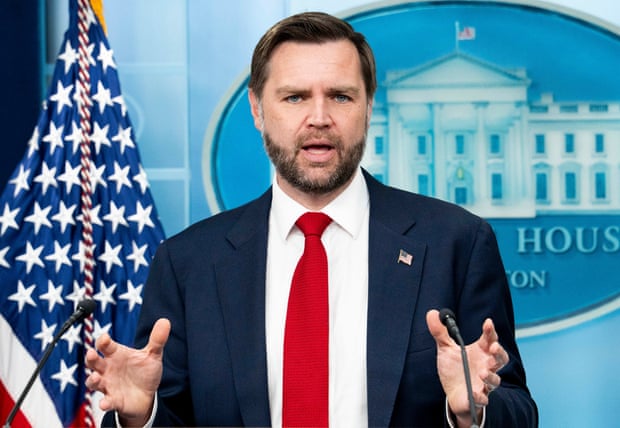
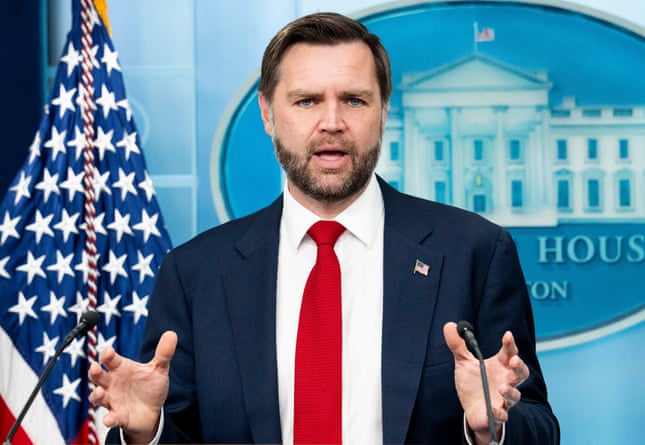
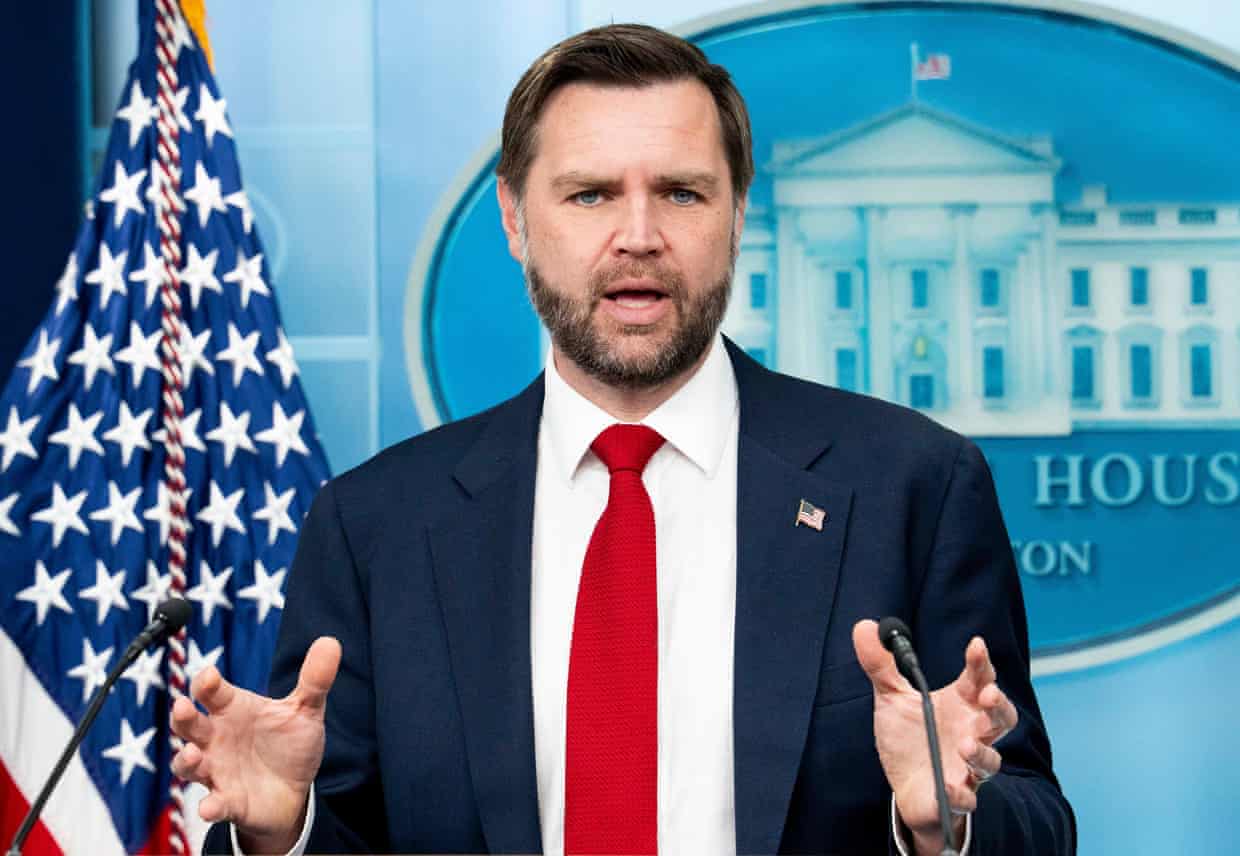
The negotiations were to take place in the Swiss village of Obbürgen, just two days after the signing of a memorandum of understanding (MOU) between Washington and Tehran. The MOU established a 60-day period to negotiate a permanent agreement on Iran’s nuclear programme and to restore oil traffic through the Strait of Hormuz. US Vice-President JD Vance was set to lead the American delegation, but the White House announced late Thursday that he would not travel.
White House spokesperson said, "The logistics of these negotiations have never been simple or predictable. As of now the vice-president is not departing tonight." The cancellation came so abruptly that Vance’s staff and a small group of journalists had already gathered at Joint Base Andrews outside Washington, while dozens of US officials and advance staff were already in Switzerland.
The breakdown in diplomacy coincided with a sharp escalation of hostilities between Israel and Hezbollah in southern Lebanon. Hezbollah launched multiple rocket salvoes at Israeli forces near Nabatieh late Thursday after intermittent Israeli shelling. Israel responded with airstrikes on the city and surrounding towns, leaving several civilians dead and wounded, including children. Hezbollah said it was targeting Israeli forces attempting to advance toward the foothills surrounding Nabatieh, a flashpoint area that has seen clashes since the US-Iran ceasefire was announced.
Earlier on Thursday, Iran’s Supreme Leader Ayatollah Mojtaba Khamenei approved the MOU despite reservations, and the United States officially lifted a blockade of Iranian ports. However, Iran’s semi-official Tasnim news agency reported that Iranian negotiators needed to see signs of implementation of the interim agreement before participating in further talks. The Arabic-language Al-Mayadeen network, aligned with Hezbollah, reported that Tehran was delaying its delegation due to Israel’s ongoing military campaign in Lebanon.
Israel, which was not part of the US-Iran talks and has distanced itself from the agreement, continued its military operations. On Thursday, Israel announced a "security zone" comprising hundreds of square miles of Lebanese territory. Hezbollah stated its fighters destroyed three Israeli tanks in southern Lebanon on Friday, claiming clashes were "ongoing," though Israel did not confirm tank losses. The conflict, which began when Hezbollah attacked Israel in March, has left more than 3,900 dead in Lebanon and at least 32 Israeli soldiers and three civilians killed.
Why This Matters
This cancellation derails a rare diplomatic breakthrough between the US and Iran, which had just signed a 60-day negotiation window to curb Iran's nuclear programme and restart Hormuz oil shipments. The simultaneous escalation between Israel and Hezbollah risks dragging the entire region into a wider war, directly affecting energy markets, shipping routes, and the safety of civilians in southern Lebanon and northern Israel. For readers, this means possible oil price volatility, travel disruptions to the Middle East, and increased geopolitical instability that could spill over into global security alliances.
Timeline & Sources
Jun 17, 2026
WireUS and Iran sign MOU establishing 60-day negotiation window
Jun 18, 2026
WireIran's Supreme Leader approves MOU
Jun 18, 2026
WireUS lifts blockade of Iranian ports
Jun 18, 2026
WireHezbollah launches rockets at Israeli forces near Nabatieh
Jun 18, 2026
WireIsrael responds with airstrikes on Nabatieh and surrounding towns
Jun 19, 2026
WireWhite House cancels Vance's trip; talks in Switzerland called off
Jun 19, 2026
WireHezbollah claims destruction of three Israeli tanks in southern Lebanon