AI
Jun 18, 20261
69%
Queen James review: Gareth Russell’s documentary explores the male lovers of Britain’s first king
The documentary Queen James, written and presented by Gareth Russell, examines the reign of James I of England through his relationships with male lovers Robert Carr and George Villiers. It draws on primary sources such as the king’s letters to reveal a story suppressed by Victorian historians, and features dramatic readings by actor James McArdle.

Quick Facts
Who
James I of England (James VI of Scotland)
What
Documentary exploring James I's male lovers
When
2026-06-18
Where
Britain
- Documentary exploring James I's male lovers
- Adaptation of Russell's book Queen James
- Carr's trial for murder in 1616
- Dramatic reading of the king's letters
- James I of England (James VI of Scotland)
A new documentary titled Queen James, adapted by historian Gareth Russell from his book Queen James: The Life and Loves of Britain’s First King, delves into the reign of James I of England and VI of Scotland, focusing on his relationships with male favourites. The film argues that while James’s contemporaries freely observed and even mocked his romances—coining the nickname “Queen James”—later Victorian historians suppressed discussion of the king’s sexuality, making it less widely known today. Russell draws on abundant primary sources, including James’s own letters, to present a narrative that is both salacious and nuanced.
The documentary chronicles James’s life from his early reign as king of Scotland to his accession to the English and Irish thrones in 1603. Central to the story are his two principal male lovers: Robert Carr, Earl of Somerset, who won the king’s favour after breaking his leg in a jousting match, and George Villiers, Duke of Buckingham, who later replaced Carr. The narrative builds toward the 1616 trial of Carr for murder, a moment that threatened to expose the king’s intimate affairs. Russell also examines the role of Sir Thomas Overbury, Carr’s secretary, who served as the political brain behind the favourite.
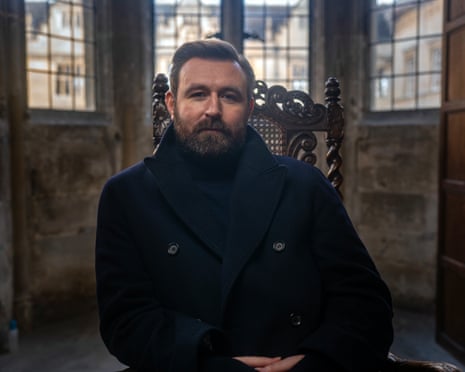
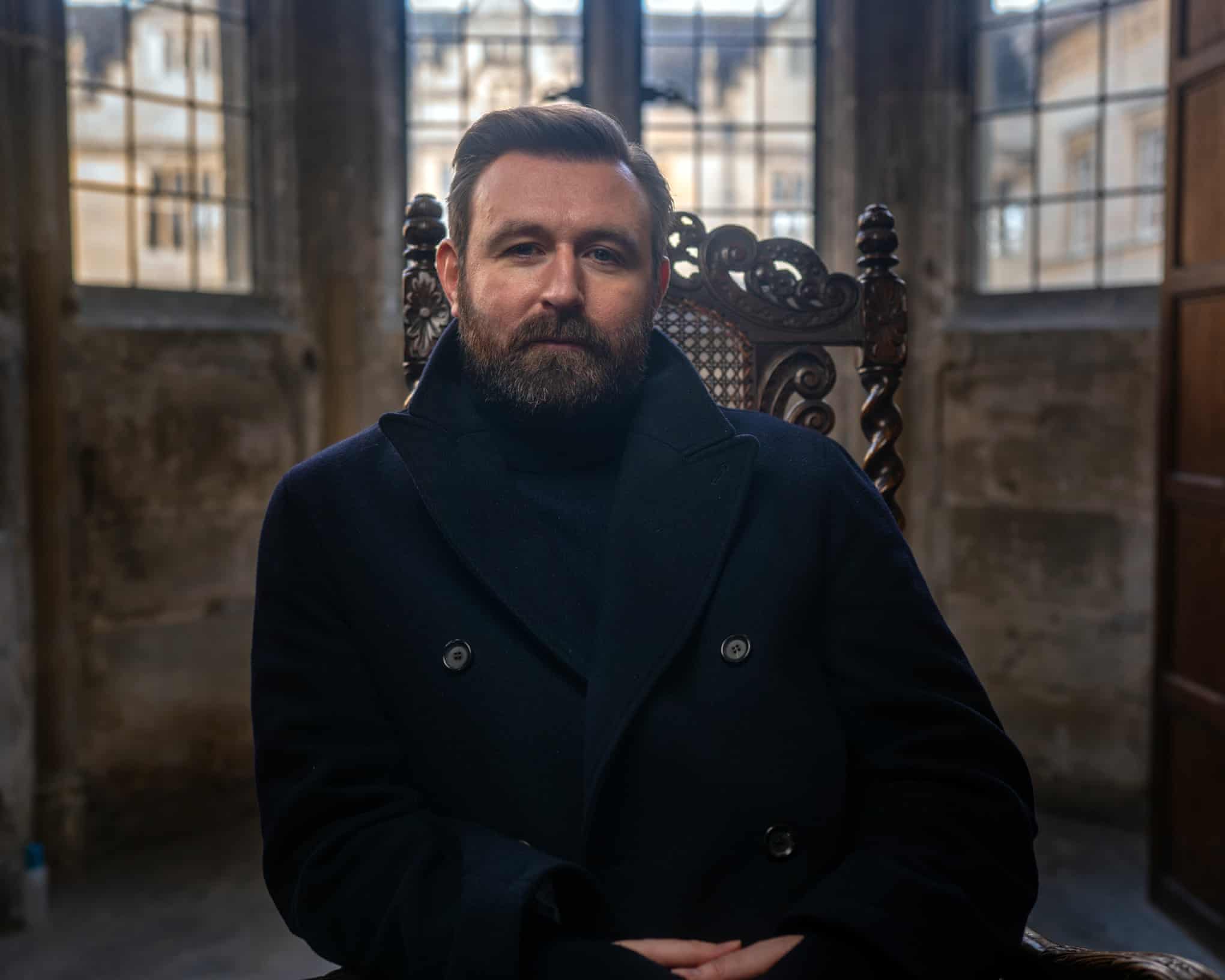
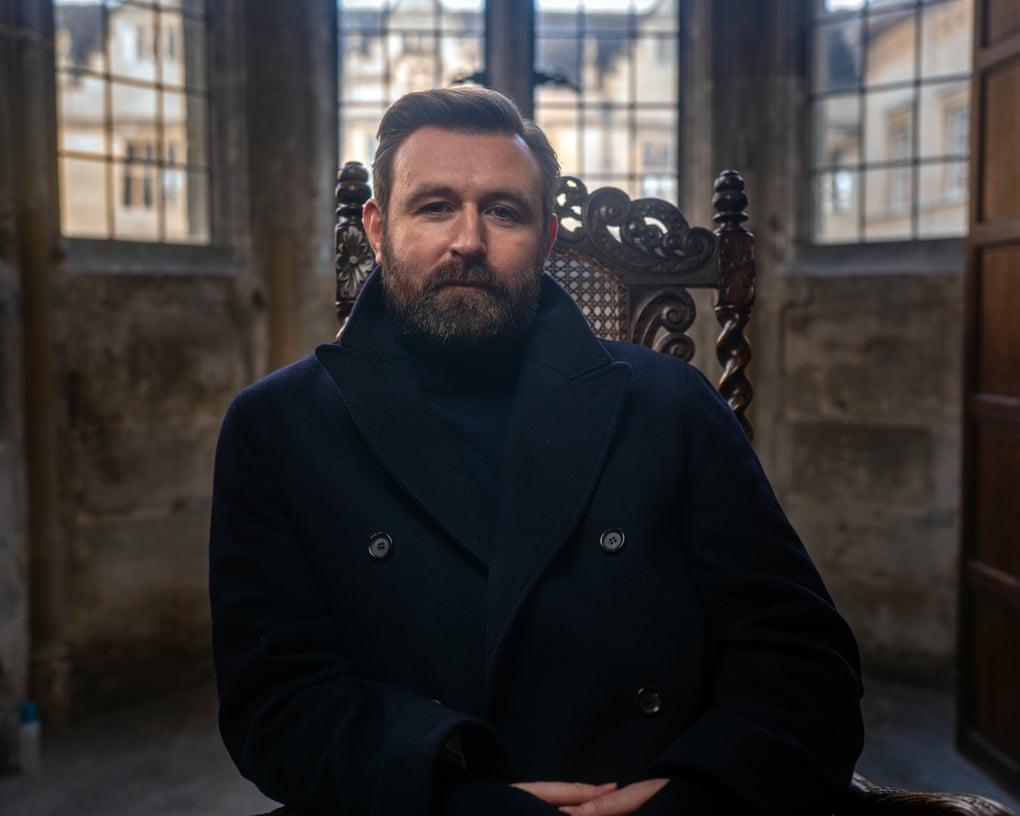
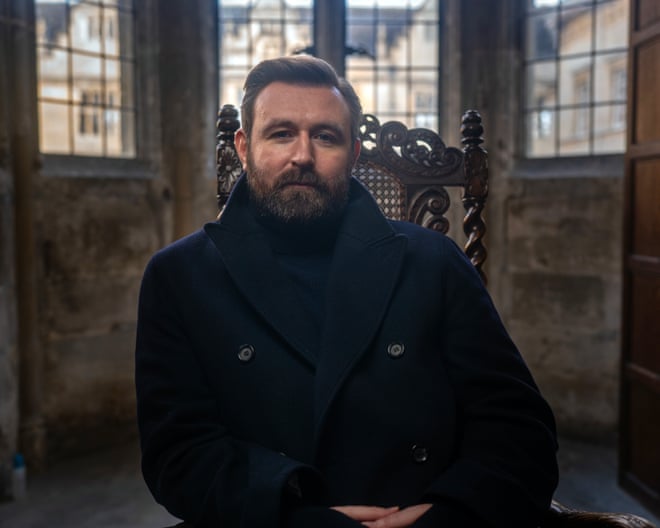
Russell, supported by fellow historians in archives and stately homes, explores the complexities of James’s personality—from his happy fathering of multiple children with his wife, Anne of Denmark, to his public condemnation of “sodomy” in a moral treatise. The documentary highlights the cultural attitudes of the early 1600s, where male same-sex affection was often idealized as pure but remained ambiguous about physical acts. Director John O’Rourke employs an unusual technique: actor James McArdle reads James’s letters in a cold room, his breath misting as he delivers lines that blend political authority with personal vulnerability.
The film presents James as an “intellectually brilliant and emotionally traumatised” ruler, shaped by a troubled upbringing and a penchant for spin. It underscores the tension in his relationships—favourites could never be sure if they were loved for themselves or for access to power, and James himself never knew if his lovers were genuine or merely opportunistic. Queen James is described as a perspicuous, gossipy yet not prurient account that sharpens modern sensibilities without erasing 17th-century mores.
Topics
Why This Matters
This documentary challenges the sanitized, heteronormative portrayals of James I perpetuated by 19th-century historians, offering modern audiences a more accurate understanding of early modern attitudes toward male-male intimacy and power dynamics. For viewers interested in LGBTQ+ history, royal biographies, or the politics of historical suppression, 'Queen James' provides a timely corrective that uses primary sources to restore complexity to a forgotten narrative.
Timeline & Sources
Jan 1, 1566
WireJames born as James VI of Scotland
Jan 1, 1603
WireJames accedes to the English and Irish thrones
Jan 1, 1616
WireRobert Carr tried for murder
Jun 18, 2026
WireQueen James documentary review published by The Guardian