Geo
Jun 16, 20261
69%
Father of Murdered Teenager Welcomes UK Under-16 Social Media Ban, Says It Would Have Saved His Son
UK Prime Minister Sir Keir Starmer has announced a planned ban on social media access for children under 16, aiming for implementation by spring 2027. The father of murdered teenager Olly Stephens, killed in 2021 after a social media dispute, has welcomed the move, saying it would have saved his son's life. The proposal has drawn support from some schools and parents but faces criticism from tech companies and families who believe it is too restrictive or ineffective.

Quick Facts
Who
Olly Stephens
What
under-16 social media ban announced by UK PM
When
3 January 2021
Where
Emmer Green, Reading, Berkshire
- under-16 social media ban announced by UK PM
- father of murdered teen welcomes ban
- tech companies oppose ban
- some schools implement own phone bans
- Olly Stephens
The father of murdered teenager Olly Stephens has welcomed a planned UK ban on social media access for children under 16, stating that had the measure been in place in 2021, his son would still be alive today.
Prime Minister Sir Keir Starmer has announced that the government hopes to implement the ban by spring 2027, targeting platforms such as Snapchat, TikTok, and Facebook. The policy aims to protect children from online harms, including addiction, corruption, and predatory behavior.
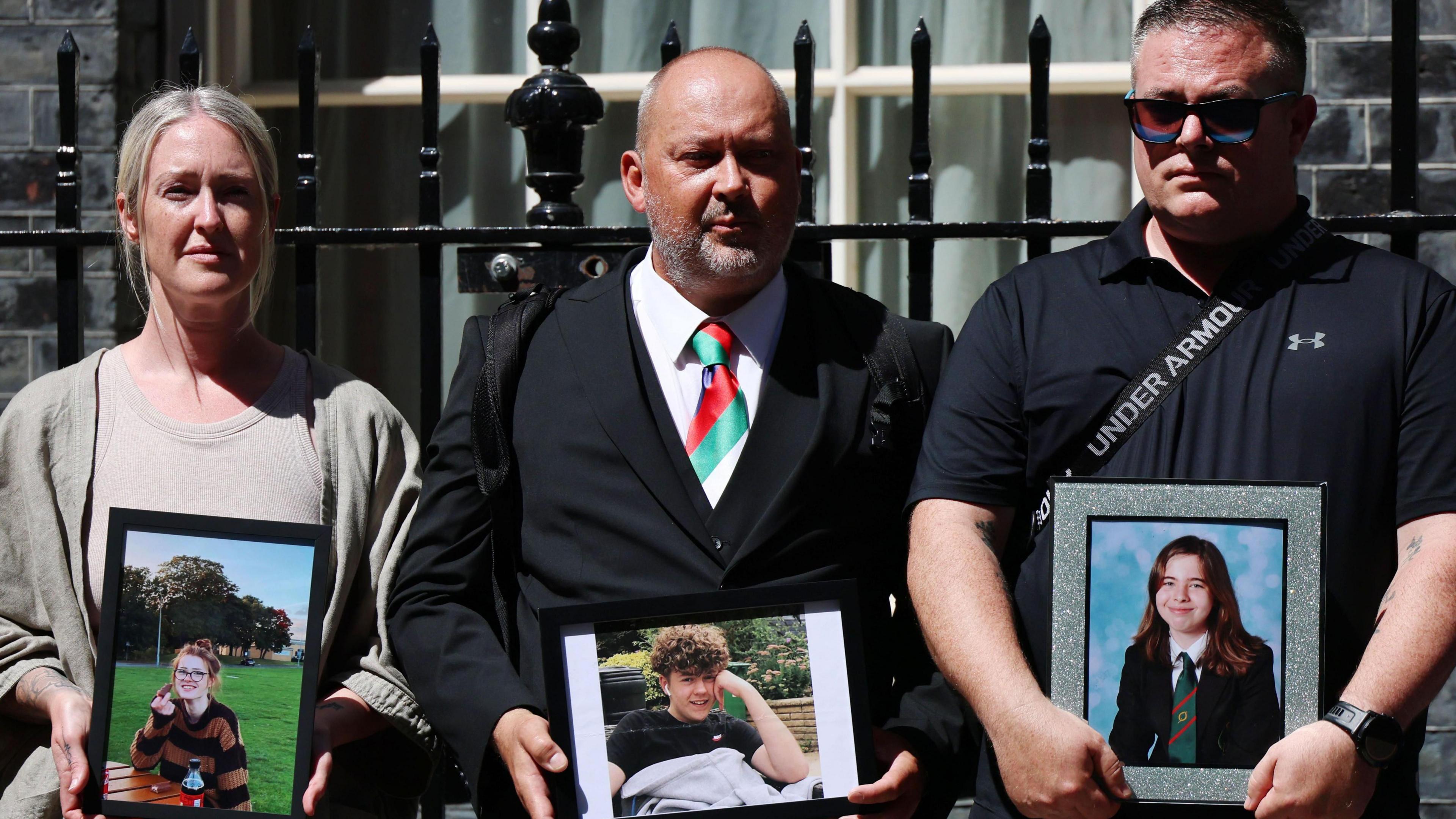
Olly Stephens, 13, was stabbed to death in Emmer Green, Reading, Berkshire, on 3 January 2021 following a dispute that originated on social media. His father, Stuart Stephens, expressed support for the legislation, saying: "It's been a long time coming. If we had had this 10 years ago, when all of this tech was starting to surface, then a lot of us, our children would still be here." He added that no child under 16 should be targeted by social media, calling it "addictive, corruptive, corrosive, and predatory."
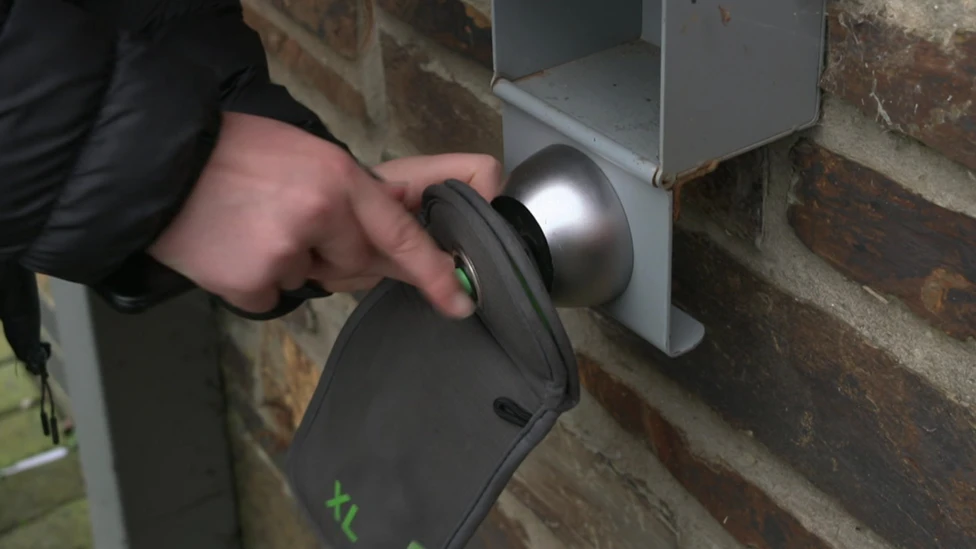
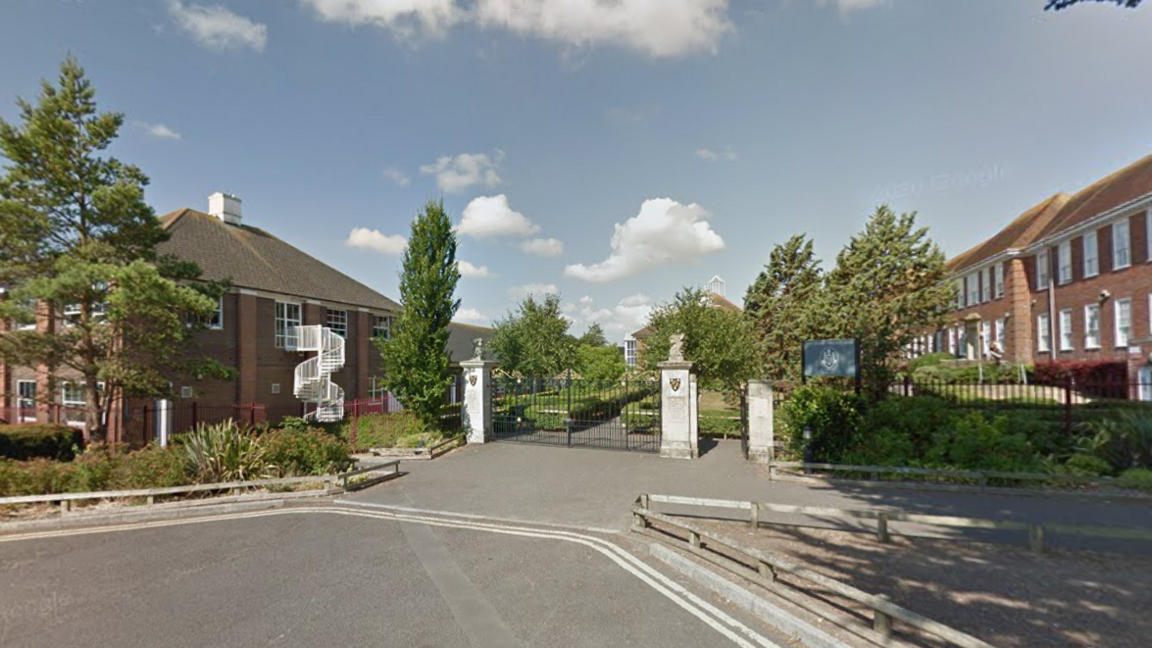
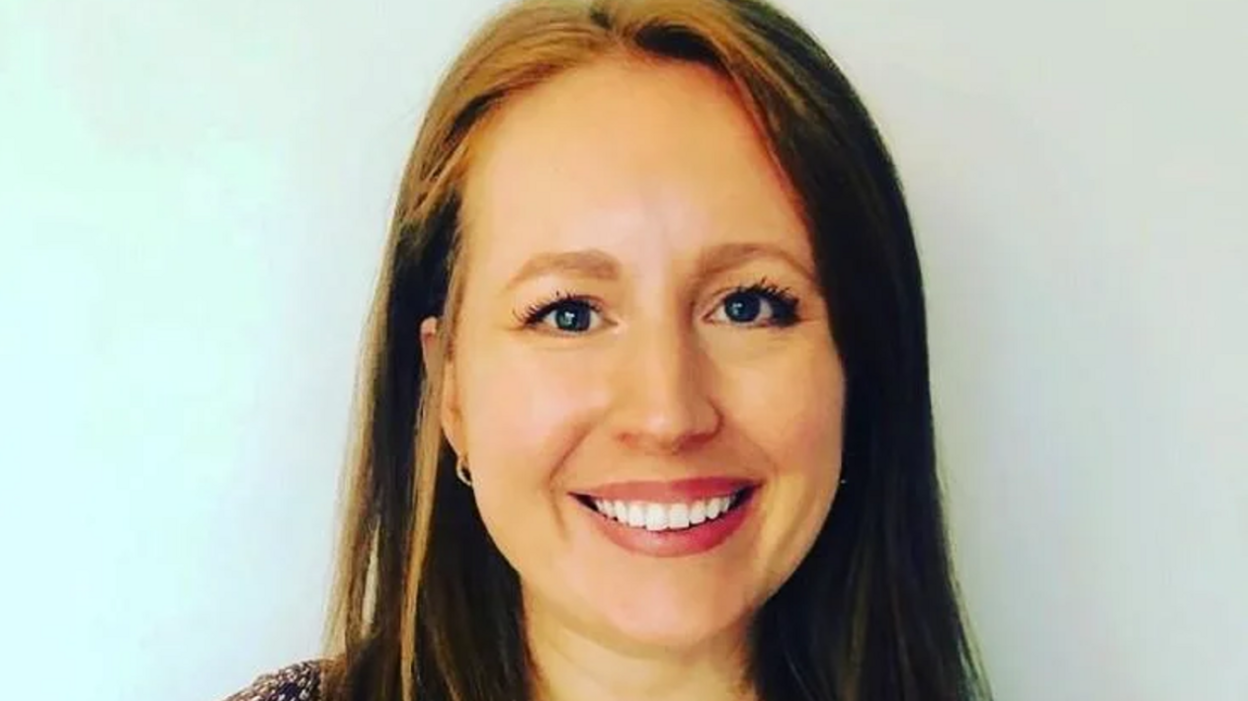
Some schools in southern England have already introduced their own mobile phone bans. At Thomas Hardye School in Dorchester, Dorset, students have been required to place phones in lockable pouches upon arrival for the past three weeks. Assistant head teacher Rachel Glennie welcomed the broader ban, citing impacts on concentration and safeguarding concerns. She noted that a parents' survey revealed many felt "out of control" regarding their children's smartphone usage.
However, the proposal has drawn mixed reactions from the public. Toby, 13, from Portland, Dorset, said the ban was "annoying" and that there would be ways around it. His father, Sam, argued that social media has positive aspects and that a blanket ban is not the solution, suggesting that adult usage also requires regulation. Another parent, Connie from Moreton, Dorset, supported the ban, stating: "We need to have a change and we need to protect our young people."
Tech companies have also voiced opposition. YouTube, Snapchat, and Meta—owner of Facebook and Instagram—argued that a ban would not achieve its goals and could push children to less safe platforms. Meta advocated for an age verification system built into devices rather than requiring IDs for individual services. YouTube described itself as a "vital resource for young people," while Snapchat emphasized that most usage involves private messaging with friends and family.
Oxford University researchers are already studying social media's effects on children through the Oxwell Student Survey and will continue to assess whether the ban achieves its intended outcomes.
Why This Matters
This legislation could reshape how children interact with digital platforms, potentially reducing risks like online grooming, cyberbullying, and harmful content exposure. For parents and educators, it offers a clear legal framework, while tech companies face new compliance challenges. The outcome will set a precedent for other countries considering similar restrictions.
Timeline & Sources
Jan 3, 2021
WireOlly Stephens, 13, stabbed to death in Emmer Green, Reading, following social media dispute.
Jun 16, 2026
WireUK PM Sir Keir Starmer announces plan to ban under-16s from social media by spring 2027.