
Emerging
Published Jul 13, 2026Updated Jul 13 Major2
98%
US and Iran escalate strikes over Strait of Hormuz control
The US military conducted a new wave of strikes against Iran on Sunday evening, targeting areas in Hormozgan Province, while Iran retaliated by attacking US military facilities in Kuwait, Bahrain, Qatar, and the UAE. Both sides claimed control over the Strait of Hormuz as the escalation undermined a month-old truce agreement and drove oil prices above $74 per barrel.
Quick Facts
- US military strikes against Iran
- Iranian retaliation targeting US military facilities
- Iran claimed closure of Strait of Hormuz
- Establishment of Persian Gulf Strait Authority for transit permits
- Deterioration of interim US-Iran truce agreement
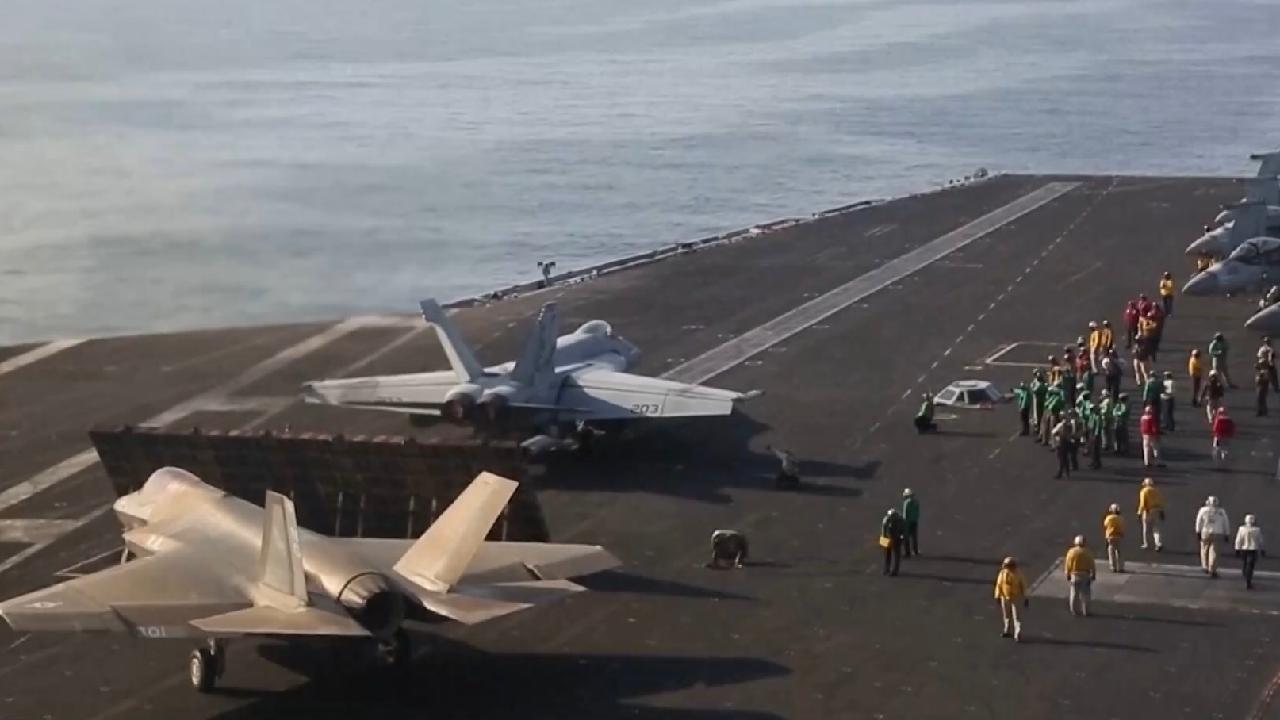
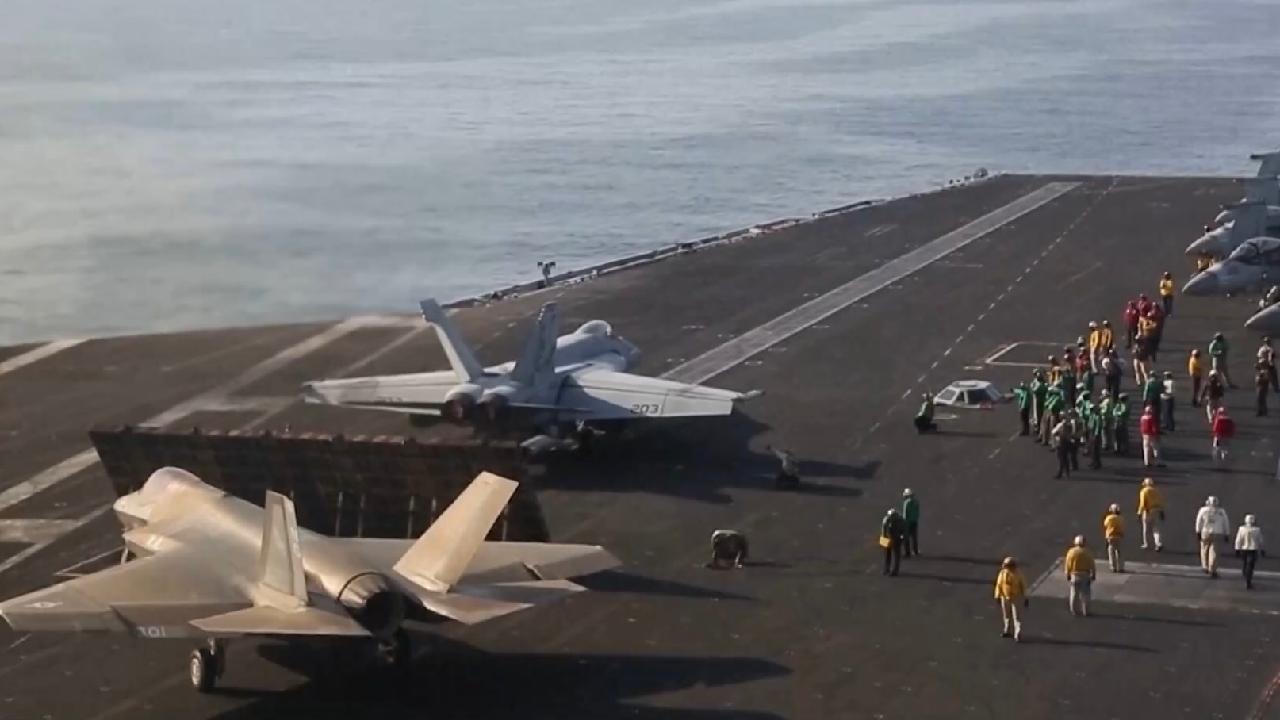
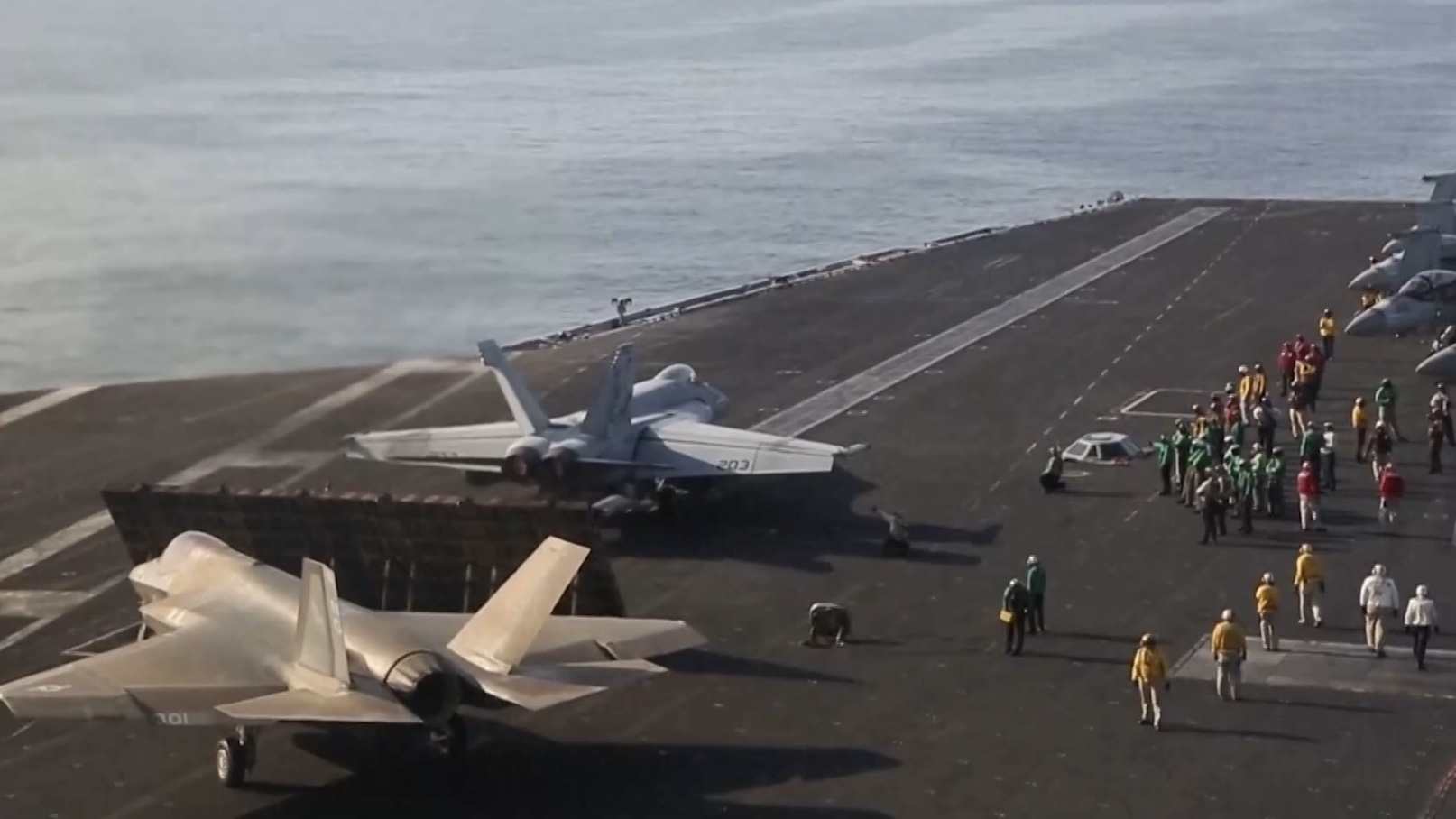
The US military launched a new wave of strikes against Iran on Sunday evening, with US Central Command (CENTCOM) stating the attacks aimed to degrade Iran's ability to target commercial vessels transiting the Strait of Hormuz. The strikes followed Iran's earlier retaliation against US military facilities in Kuwait, Bahrain, and Qatar. According to Iranian media, the US attacks killed one person and wounded two others on Farur Island in Hormozgan Province, while Iranian strikes included missile and drone assaults on multiple Gulf locations, extending to Qatar and the United Arab Emirates—countries that had not been targeted in recent weeks.
The escalation marks a significant deterioration of the interim US-Iranian truce agreement signed last month. Iran's foreign ministry stated the latest US strikes had "rendered futile all efforts of the past few months to reduce tension and establish peace in the West Asian region." Tehran claimed to have closed the Strait of Hormuz and established a Persian Gulf Strait Authority to issue permits for passage, while the US maintained that shipping continued through the waterway. President Donald Trump said the Strait remained "open" and stated he was "beating them up," while CENTCOM reported carrying out approximately 140 strikes on Saturday night alone.
The dispute centres on control over the critical shipping corridor, through which roughly one-fifth of global oil and liquefied natural gas passes. Iran has sought to establish a permanent fee collection system for transit authorisation, while the US has reinforced military operations to keep lanes open. The cycle of attacks has driven oil prices higher—with US benchmark WTI jumping above $74 a barrel when Asian futures trading opened Monday—compounding global economic concerns. Regional players including Egypt, Iraq, and the UAE condemned Iran's strikes, while Iran's top negotiator, Mohammad Bagher Ghalibaf, signalled on social media that Tehran would not accept "one-sided deals." Talks between Iran and Oman on Saturday in Muscat focused on strait management arrangements but produced no results, with Iran citing US pressure on the mediator.
Why This Matters
Control of the Strait of Hormuz directly affects one-fifth of global oil and LNG supplies. The collapse of the US-Iran truce risks sustained energy price volatility, supply chain disruption, and broader regional instability. Companies and governments dependent on Gulf shipping must reassess insurance, routing, and inventory strategies immediately.