Market
Jun 16, 20261
69%
ECB Raises Interest Rate for First Time Since 2023 as Inflation Widens Beyond Energy
The European Central Bank raised its key interest rate to 2.25%, the first increase since 2023, in response to mounting inflation driven by the Middle East conflict. Analysts warn that price pressures have spread beyond energy and may trigger further rate hikes, while economic growth in the eurozone is expected to slow.


Quick Facts
Who
European Central Bank (ECB)
What
ECB raised deposit rate from 2% to 2.25%
When
Last week
Where
Eurozone
- ECB raised deposit rate from 2% to 2.25%
- First rate hike in nearly three years
- Inflation forecasts show slower return to 2% target
- Household inflation expectations rose sharply in early 2026
- European Central Bank (ECB)
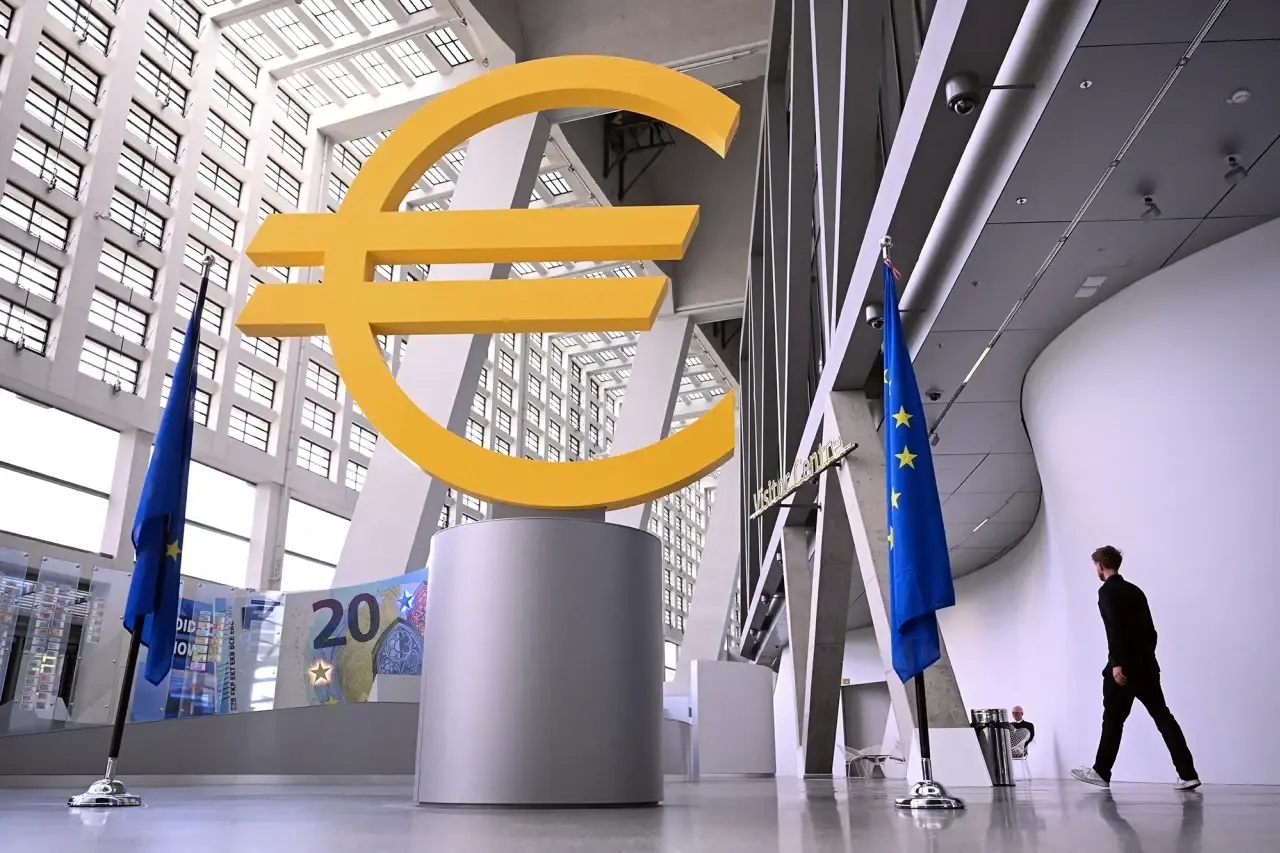
The European Central Bank (ECB) raised its key deposit rate by 25 basis points to 2.25% last week, marking the first increase in nearly three years. The move, widely anticipated by economists and investors, was driven by accelerating inflation fueled by the ongoing conflict in the Middle East. Many analysts now expect another quarter-point hike in September.
In a statement following the decision, ECB President Christine Lagarde warned that inflationary pressures have spread beyond the energy sector. "The inflation shock has moved beyond energy and is now affecting the entire economy. Both direct and indirect cost impacts are becoming evident," Lagarde said. Fresh ECB forecasts show prices rising faster this year than previously expected, with inflation not returning to the 2% target until 2028.
The central bank emphasized its willingness to act further in an uncertain environment but stopped short of committing to a specific timetable. The rate hike is expected to slow economic growth across the eurozone, as higher borrowing costs and persistent inflation erode consumer purchasing power.
Commenting on the situation, Professor Lena Dreger of the Leibniz University Hannover's Institute for Money and International Finance told The Insider that inflationary pressure now extends well beyond energy. "Energy prices remain the main driver of overall inflation, directly impacting housing and transport costs. But other categories—services such as education, restaurants, hotels, and financial services—are also rising, creating broader price pressures," Dreger explained.
She noted that household inflation expectations across the eurozone surged sharply between February and March 2026 and have remained elevated since, according to the ECB's Consumer Expectations Survey. Dreger highlighted particular risks for energy-intensive sectors such as transport and chemicals, and warned that food prices could rise due to increased costs for fuel and fertilizers.
However, Dreger added that if the Strait of Hormuz fully reopens in the coming weeks, the most severe economic scenarios may be avoided. "We are already seeing recession risks in Germany and slowing growth across the eurozone, especially given the region has not fully recovered from the 2021–2023 stagflation shock," she said. The ECB's move comes as the eurozone economy faces the dual challenge of above-target inflation and weakening growth prospects.
Why This Matters
This rate hike signals that the ECB is prioritizing inflation control even at the risk of slowing growth—directly affecting eurozone mortgage rates, business loans, and consumer spending. For global investors, it adds to uncertainty about the strength of the European recovery, while companies reliant on eurozone demand may face tighter financial conditions.
Timeline & Sources
Jun 9, 2026
WireECB raises deposit rate from 2% to 2.25%
Jun 16, 2026
WireThe Insider publishes analysis with Professor Lena Dreger