Emerging
Jun 23, 2026 Major6
92%
Britain's Political Crisis: Seventh Prime Minister in a Decade as Starmer Resigns
Britain is on its seventh prime minister in a decade following Keir Starmer's resignation on June 22, 2026, reflecting a political crisis rooted in economic stagnation, deteriorating public services, and social fragmentation. Former Manchester Mayor Andy Burnham is expected to succeed him, facing an intractable fiscal situation while populist parties like Reform capitalize on voter discontent.

Quick Facts
Who
Keir Starmer (outgoing Prime Minister)
What
Keir Starmer announced resignation as Prime Minister
When
June 22, 2026 (Starmer resignation)
Where
United Kingdom
- Keir Starmer announced resignation as Prime Minister
- Britain experiences seventh prime ministerial change in a decade
- Starmer cancelled winter fuel allowance for pensioners
- Starmer increased inheritance tax on small farms
- Starmer appointed Jeffrey Epstein associate as ambassador to Washington
Britain is facing unprecedented political instability after Prime Minister Keir Starmer announced his resignation on June 22, 2026, becoming the seventh prime minister to leave office in a decade. Starmer's departure, after less than two years in office, marks the latest chapter in a crisis that has transformed Britain from a model of political stability into a cautionary tale of governmental dysfunction.
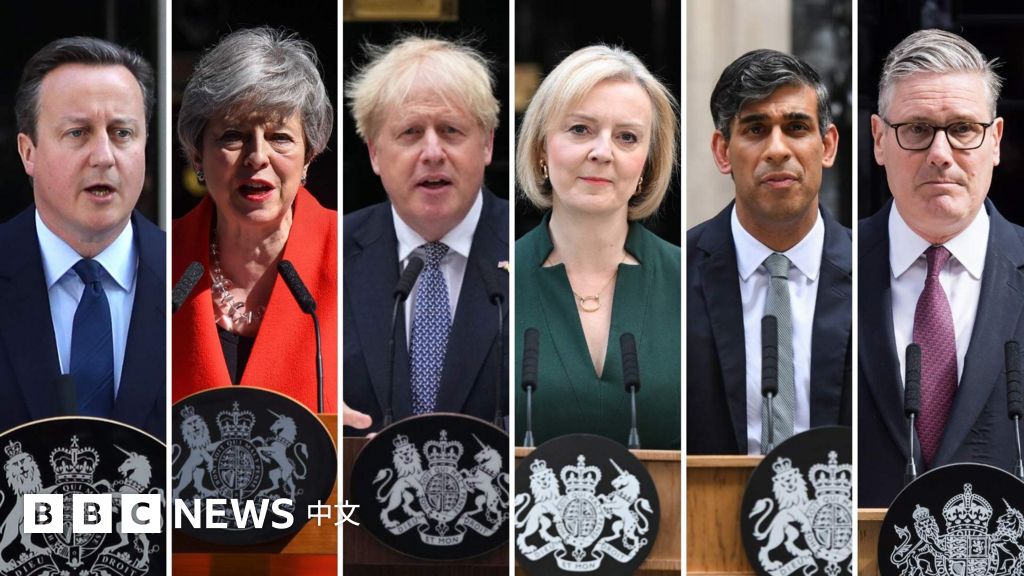
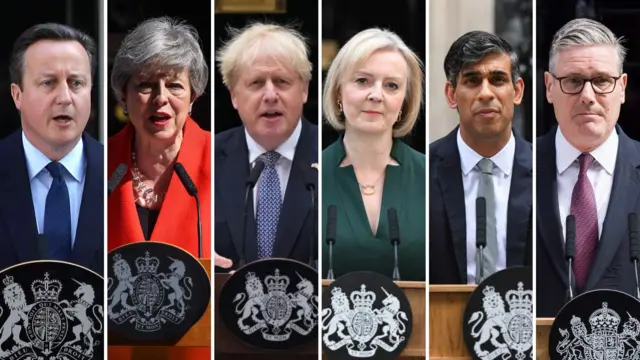
Starmer's exit was triggered by mounting unpopularity stemming from policy missteps including the cancellation of pensioners' winter fuel allowance, inheritance tax increases on small farms, and the controversial appointment of a close associate of Jeffrey Epstein as ambassador to Washington. However, his resignation reflects deeper systemic problems that have plagued British politics since the 2016 Brexit referendum. The rapid turnover has become emblematic of a nation struggling to govern itself effectively. Since David Cameron initiated the Brexit referendum a decade ago, Britain has cycled through six predecessors to Starmer: Theresa May (undone by Brexit negotiations), Boris Johnson (forced out by conduct scandals), Liz Truss (whose mini-budget sparked financial market turmoil), Rishi Sunak (defeated in general elections), and now Starmer. Former Greater Manchester Mayor Andy Burnham is expected to succeed him, making him the sixth new Prime Minister in seven years.
Analysts attribute the crisis to three interconnected factors: stagnating living standards since the 2008 financial crisis—a phenomenon unseen since the Napoleonic Wars; deteriorating public services amid economic weakness; and social fragmentation exacerbated by high immigration and perceptions of national decline. Economic pessimism has reached levels not seen since 1978, while over 90 percent of British citizens believe the nation is divided. The average tenure of a British prime minister has collapsed from five years historically to just 18 months in the past decade, compared to two prime ministers in Italy over the same period.
The political fracturing has created opportunities for populist movements. Nigel Farage's Reform Party, which has maintained polling support near 30 percent—unprecedented for a party outside Labour and Conservatives since World War One—has capitalized on voter anger. Farage claims credit for forcing out three recent prime ministers. The combination of fractured electoral politics, a winner-take-all voting system, and persistent economic challenges has left Britain vulnerable to populist capture, with some commentators comparing Britain's political instability to Italy.
Incoming Prime Minister Burnham faces an impossible fiscal equation: he must simultaneously fix deteriorating public services, increase defense spending, and maintain costly support for Ukraine—all while managing anemic economic growth and national debt at 94 percent of GDP. With such constrained finances, the government struggled even to cut £5 billion from welfare spending, making it difficult to justify continued substantial funding for the Ukraine conflict. Political observers question whether any leader can restore public confidence and governmental effectiveness while navigating these structural constraints.
Why This Matters
Britain's political crisis signals a broader institutional breakdown with direct consequences for global stability. The collapse of governmental effectiveness amid economic constraints threatens continued support for Ukraine, strains NATO commitments, and creates vulnerabilities to populist capture. For investors and policymakers, the inability of successive governments to implement coherent economic policy or public service reforms indicates structural challenges that will persist regardless of leadership changes—making Britain a cautionary case study in how democratic institutions can deteriorate when economic fundamentals stagnate for a decade.
Timeline & Sources
Jan 1, 2008
WireGlobal financial crisis triggers economic stagnation and productivity decline
Jun 23, 2016
WireBrexit referendum passed; David Cameron resigns
Jan 1, 2019
WireTheresa May resigns after failed Brexit negotiations
Jan 1, 2020
WireBoris Johnson's conduct during COVID lockdowns becomes public; scandals emerge
Jun 17, 2026
WireAndy Burnham wins by-election to enter Parliament
Jun 22, 2026
WireKeir Starmer announces resignation as Prime Minister
Jul 17, 2026
WireAndy Burnham expected to be confirmed as new Prime Minister
Entities
Sources
- 十年六個——英國首相換了又換為甚麼?bbc_zhongwenMediaJun 23, 2026
- 十年六個——英國首相換了又換為甚麼?bbc_zhongwenMediaJun 23, 2026
- 经济疲软、政治动荡:脱欧十年,英国仍未走出阴影nytimes_cnMediaJun 24, 2026
- “领导人频繁更迭已使英国沦为笑柄,被称为新意大利”ifengMediaJun 24, 2026
- UK prime minister: An impossible job?CNBCMediaJun 24, 2026
- Starmer's exit exposes dirty secret: UK can't afford Ukraine WarResponsible StatecraftMediaJun 24, 2026