Emerging
Jun 23, 2026 Major1
82%
UK Government to Publish Defence Investment Plan Ahead of NATO Summit Amid Leadership Transition
The UK government will publish its controversial defence investment plan before July's NATO summit, despite Prime Minister Sir Keir Starmer's resignation and the ongoing Labour leadership contest. The plan, which has already triggered two ministerial resignations, aims to address threats including Russia's invasion of Ukraine, but faces potential revision by Starmer's successor.
Quick Facts
Who
Sir Keir Starmer
What
Defence investment plan to be published ahead of NATO summit
When
2026-06-23
Where
United Kingdom
- Defence investment plan to be published ahead of NATO summit
- Sir Keir Starmer resigns as prime minister
- Two defence ministers resign over defence proposals
- Labour leadership contest underway
- Sir Keir Starmer
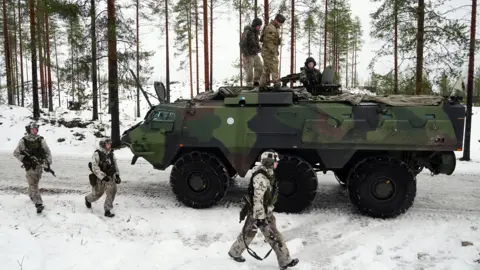
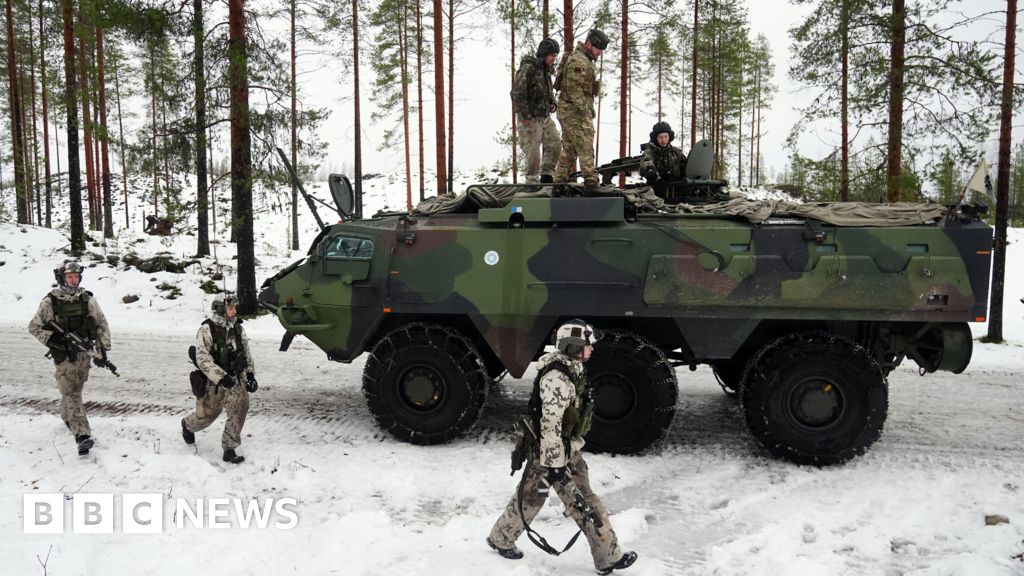
The British government has confirmed it will publish its long-awaited defence investment plan before next month's NATO summit in Turkey, despite the resignation of Prime Minister Sir Keir Starmer and the ongoing leadership contest within the Labour Party. Downing Street stated that while no new major policies or spending decisions would be made during the transition, the controversial defence spending proposals—which have already prompted the resignations of two defence ministers—will proceed as scheduled. This decision risks creating friction with Starmer's successor, who may seek to revise the plan upon taking office.
Chancellor Rachel Reeves announced in the House of Commons that the defence investment plan (DIP) will be released prior to the NATO summit on 7 July. She described it as a strategy that would "involve more money, spent more effectively and meet the scale of the challenges we face." The plan's publication comes amid pressure from NATO allies, who have urged member states to present clear and credible plans for increasing defence spending, particularly in light of Russia's invasion of Ukraine and warnings from former US President Donald Trump regarding alliance burden-sharing.
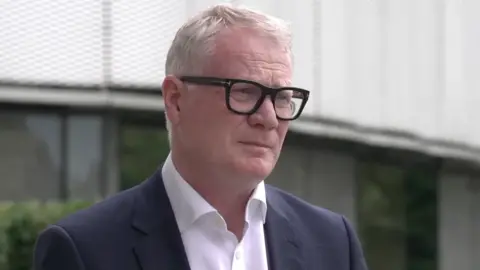
The defence plan has been a source of internal division within the government. Former Defence Secretary John Healey resigned stating that the proposed increase to 2.68% of GDP fell "well short" of the 3% target he argued was necessary. Armed forces minister Al Carns also resigned last month, criticising the plan as "not built for the threat we face." Reports indicate the Ministry of Defence requested an additional £28 billion before the decade's end but was offered only £10 billion. New Defence Secretary Dan Jarvis has described his discussions with the chancellor as "very good and constructive," and emphasized his commitment to securing the best possible deal while ensuring the plan is completed responsibly.
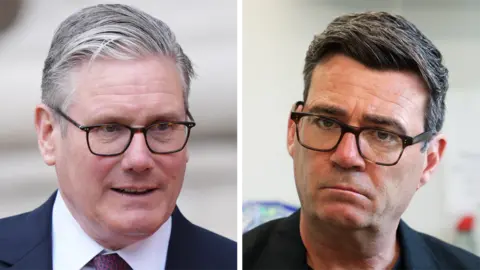
In the leadership race to succeed Starmer, Andy Burnham, the newly elected MP for Makerfield, is the only candidate to have formally entered the contest so far. Burnham has previously indicated he would reduce the welfare bill to free up more funds for defence. Al Carns is also considering entering the race. Both potential successors would face the decision of whether to adhere to the current plan or alter it, potentially delaying its implementation further. Conservative shadow defence secretary James Cartlidge questioned the chain of command during this period of transition, asking, "Who is in charge of defence in the United Kingdom at a time of war on two fronts?"
NATO Secretary-General Mark Rutte has called on all alliance members to arrive at the Turkey summit with concrete plans for increasing defence expenditure. Jarvis affirmed the UK's commitment to raising defence spending to 3.5% of GDP by 2035 and has communicated this pledge to Rutte. The government intends to proceed with the plan despite the leadership uncertainty, with Downing Street emphasizing that the urgent need for a defence strategy remains unchanged.
Topics
Why This Matters
The UK's defence investment plan publication before NATO's summit, despite a leadership vacuum, shows commitment to alliance commitments. For readers, this signals potential shifts in UK defence spending (3.5% of GDP by 2035), influencing NATO burden-sharing and security dynamics. Businesses in defence sector should monitor policy changes; investors should watch for fiscal adjustments from the next Labour leader.
Timeline & Sources
Jan 1, 2026
WireUK aim to increase defence spending to 3.5% of GDP by 2035 announced
Jun 22, 2026
WireSir Keir Starmer announces resignation as prime minister and Labour leader
Jun 23, 2026
WireBBC reports PM to push ahead with defence plan despite resignation
Jun 23, 2026
WireChancellor Reeves confirms plan will be published before NATO summit
Jul 7, 2026
WireNATO summit in Turkey