
Emerging
Published Jun 18, 2026Updated Jun 231
59%
Power Outages in Semarang Disrupt Digital Payments, Forcing Shoppers to Abandon Purchases
Repeated power outages in Semarang have halted digital payment systems at retail stores, causing significant economic disruption as predominantly cashless shoppers abandon purchases. The outages, caused by technical failures in main power generation units, have exposed the vulnerability of Indonesia's increasingly digital-dependent economy.
Quick Facts
- Repeated power outages across Semarang
- QRIS digital payment systems offline during blackouts
- Retail stores unable to process non-cash transactions
- Shoppers abandoning purchases due to lack of physical cash
- Technical failures in main power generation units
/data/photo/2026/06/19/6a342e9131e1c.jpg)

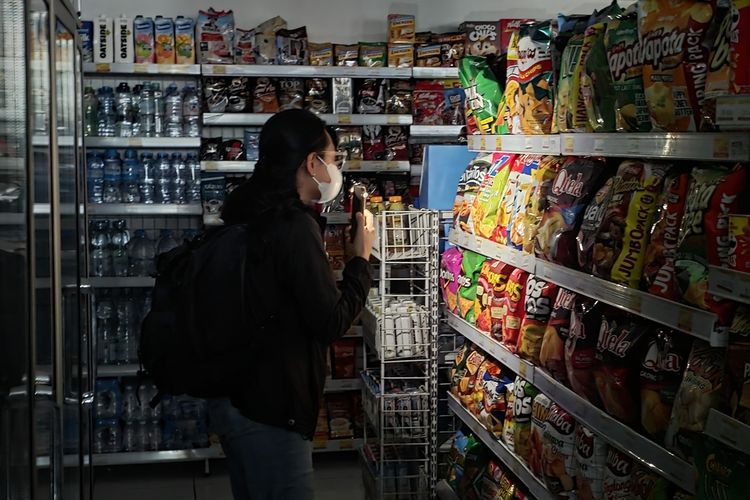
Repeated power outages affecting multiple areas of Semarang, Central Java, over the past week have severely disrupted local economic activity, with the retail sector experiencing particular hardship. Modern supermarkets and retail shops have struggled to process digital payments, especially QRIS (Quick Response Code Indonesian Standard) transactions, as electronic payment systems have gone offline during blackouts.
The outages have created a critical problem for the increasingly cashless population, particularly younger Indonesians who rely almost exclusively on digital payment methods. Many would-be shoppers have been forced to abandon purchases because they carry no physical cash. One 30-year-old customer, Dwi, reported having only Rp 10,000 in his wallet and having to borrow money from a colleague to complete a transaction, reflecting how uncommon it has become for young people to carry cash even for small purchases.
Shop staff reported significant revenue losses during outages that have lasted as long as two hours. One cashier, Asih, noted that the majority of customers cancel their purchases due to the inability to use digital payment methods, with only those carrying physical cash able to complete transactions, often shopping in near-darkness using smartphone flashlights to find products.
According to PLN (Indonesia's state electricity company), the repeated outages have been caused by technical failures in the main power generation units, resulting in reduced electricity supply capacity across the Central Java interconnection zone. PLN's Manager of Communications for Central Java and DIY region, Prayudha Fasya Perdana, acknowledged the operational technical obstacles and stated that the company is working to accelerate repairs and recovery efforts, with updates to follow through official communication channels.
The situation has raised concerns about the vulnerability of digital-dependent urban economies to infrastructure failures. Dwi expressed anxiety about the potential for a wider blackout, warning that a city-wide power failure would completely paralyze modern economic activity, making it impossible for digitally-dependent workers to function.
Topics
Why This Matters
This incident reveals critical infrastructure vulnerability in emerging digital economies. As Southeast Asian cities accelerate cashless transitions, power grid reliability becomes essential to economic functioning. For businesses and policymakers, it underscores the need for dual-system resilience—maintaining both digital and traditional payment capacity—and investing in grid stability to prevent economic paralysis from infrastructure failures.
Timeline & Sources
Jun 18, 2026
WirePower outages reported across multiple areas of Semarang over the past week
Jun 18, 2026
WireCashier Asih reports two-hour outage, significant revenue loss due to customers unable to use digital payments
Jun 18, 2026
WireKompas.com publishes article documenting impact of outages on retail and digital payment systems