
Today·Emerging
Follow-up 3h ago3
95%
Pakistan's Auto Policy Stalls Over Electric Vehicle Tax Dispute with IMF
Pakistan's draft auto policy 2026-31, scheduled to launch July 1, stalled over a tax dispute with the IMF: the Fund demands an 18% sales tax on electric vehicles while Pakistan proposes 1%. The policy aims to boost EV adoption to 30% by 2030 and cut tariffs to 15%, but uncertainty over taxation has left manufacturers unable to commit to pricing and production plans.
Quick Facts
- Draft Automotive and Auto Parts Manufacturing Policy 2026-31 presented to IMF
- Disagreement over sales tax rate on electric vehicles: IMF proposes 18%, Pakistan proposes 1%
- Proposed tariff reductions on vehicles and parts to as low as 15% by 2030-31
- Target of 30% electric vehicle sales by 2030
- Export target of $6 billion over five years
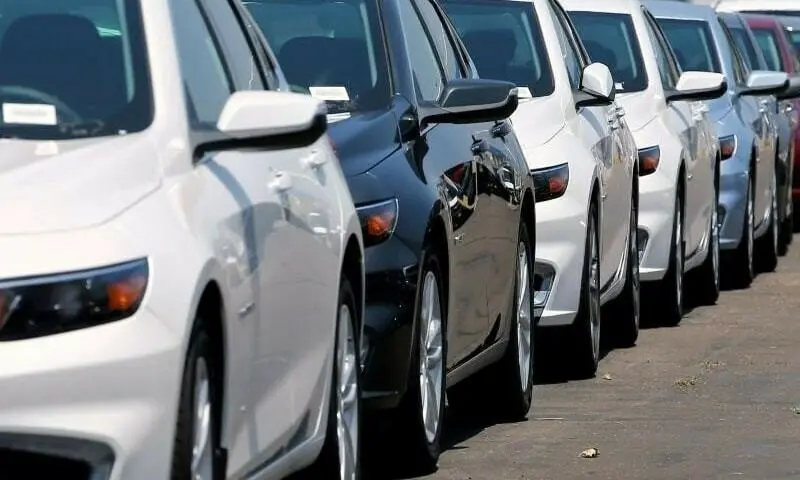
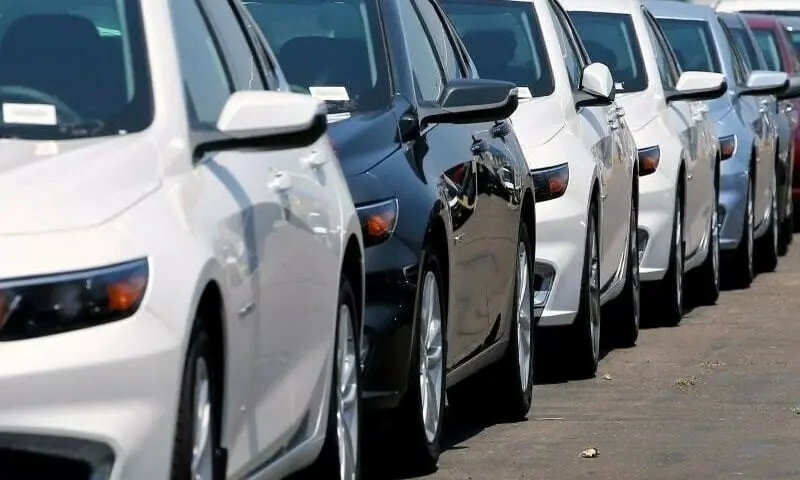


Pakistan's draft Automotive and Auto Parts Manufacturing Policy 2026-31, meant to take effect on July 1, 2026, remains unsigned as the government and International Monetary Fund clash over taxation of electric vehicles. The core disagreement centres on the sales tax rate: the IMF proposes 18%, the standard rate applied to most goods, while Pakistan's Ministry of Industries and Production advocates for 1%. On a 10 million rupee vehicle, this difference translates to a tax of either 100,000 or 1.8 million rupees—a gap that has stalled agreement during the IMF's fourth review of the Extended Fund Facility in September 2026.
The policy aims to transform Pakistan's largely assembly-based automotive sector into a competitive, export-oriented manufacturing industry. It targets 30% electric vehicle sales by 2030, a transition estimated to save approximately $1 billion annually in foreign exchange, 2 billion litres of fuel, and 4.5 million tonnes of carbon emissions. The policy also proposes cutting tariffs on completely built-up vehicles and completely knocked-down kits to as low as 15% by 2030-31, with combined vehicle and parts export targets rising from $256.6 million in 2026-27 to $2.19 billion in 2030-31. However, the automotive industry remains uncertain about implementation, with manufacturers unable to finalize pricing, open letters of credit, or sign dealer agreements without clarity on tax obligations.
The debate reflects competing priorities. The IMF, wary of Pakistan repeatedly narrowing its tax base through special rates and exemptions, insists on fiscal discipline and predictable revenue. Pakistan's government contends that electric vehicles carry higher upfront costs and face barriers including limited charging infrastructure, consumer concerns about battery longevity, and limited resale value—obstacles that standard taxation could make insurmountable. Both positions hold merit: low early taxes could stimulate market adoption, mirroring approaches in China and Norway, while revenue stability is critical for a fiscally constrained nation.
Industry stakeholders face distinct challenges. Local parts manufacturers warn that rapid tariff cuts to 15% on imported components could expose domestic vendors to cheaper imports before achieving competitive economies of scale. The sector has seen assembly capacity more than double over a decade—with over 15 manufacturers now operating—yet production remains dependent on imported completely knocked-down kits and high-value components. Recent production figures show recovery: car production rose 37.1% and jeep/SUV/pickup production jumped 79.8% during July-March 2025 versus the prior year, though demand remains sensitive to macroeconomic conditions.
Pakistan faces a structural challenge: balancing international financial obligations with domestic industrial development. Tax policy has shifted repeatedly through notifications—hybrid sales tax fell from 8.5% to 25% to 18% within three months in 2026—creating investor uncertainty about long-term predictability. Officials and analysts have proposed structured alternatives, such as legislating a clear 1% to 18% roadmap expiring by fiscal year 2030, targeting relief by vehicle price or battery size, and establishing technology ladders that favour electric over conventional vehicles, while tying incentives to measurable outcomes including localisation and employment.
Entities
- International Monetary Fund (IMF)
- Pakistan Institute of Development Economics
- Pakistan
- Pakistan Ministry of Industries and Production
- Automotive and Auto Parts Manufacturing Policy 2026-31
- SRO 1525(I)/2026 (Federal Board of Revenue notification)
- Pakistan Association of Automotive Parts and Accessories Manufacturers
- Federal Board of Revenue (Pakistan)
Why This Matters
Pakistan's stalled auto policy creates immediate supply-chain uncertainty for manufacturers unable to commit to pricing, credit facilities, or dealer agreements pending tax clarification. The IMF's fourth Extended Fund Facility review hinges on this dispute; resolution timing affects investment commitments for 30% EV penetration by 2030, tariff phasing to 15%, export targets rising from $256.6 million (2026-27) to $2.19 billion (2030-31), and projected foreign-exchange savings of $1 billion annually. Delays risk investor pullback in a sector that doubled assembly capacity over a decade and achieved 37.1–79.8% production growth in 2024-25; tax rate volatility—including mid-year notification changes from 8.5% to 25% to 18% in 2026—has already eroded predictability.
Timeline & Sources
Jan 1, 2030
WireTarget date for 30% electric vehicle sales and tariffs reduced to 15%