
Geo
Published Jul 14, 2026Updated Jul 163
95%
Trump Presses Netanyahu to Withdraw Forces from Syria and Lebanon
Trump pressed Netanyahu via phone call on July 9 to withdraw Israeli forces from Syria and Lebanon, warning that their presence risks regional escalation. The demand follows Trump's meeting with Syria's transitional leader and reflects US frustration with Netanyahu's reluctance to make concessions on territory occupied since Assad's December 2024 fall. Netanyahu's office emphasized border security needs, and analysts expect limited Israeli action given upcoming elections.
Quick Facts
- Phone call between Trump and Netanyahu
- Trump urged withdrawal of Israeli forces from Syria
- Trump urged withdrawal of Israeli forces from Lebanon
- Trump warned about regional tensions and escalation risks
- Netanyahu's office emphasized security zone necessity
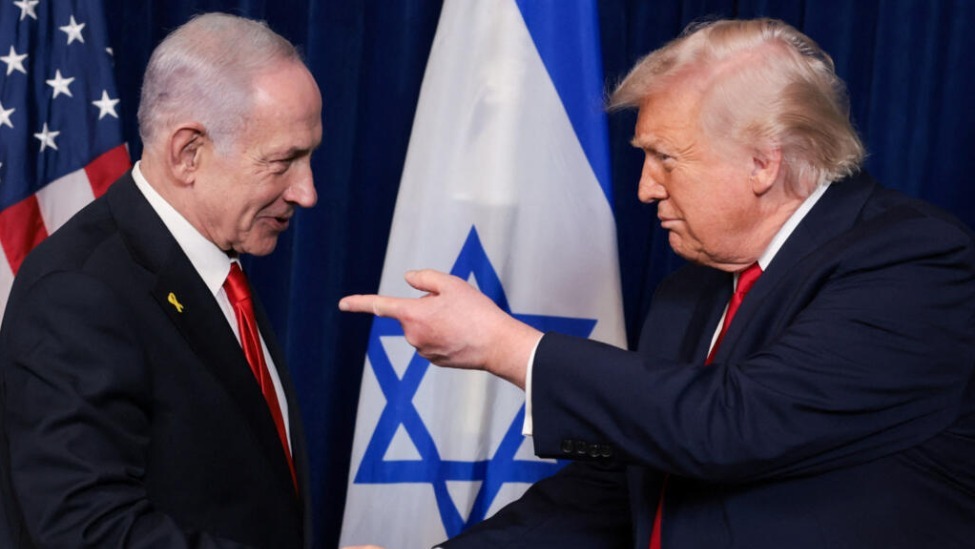
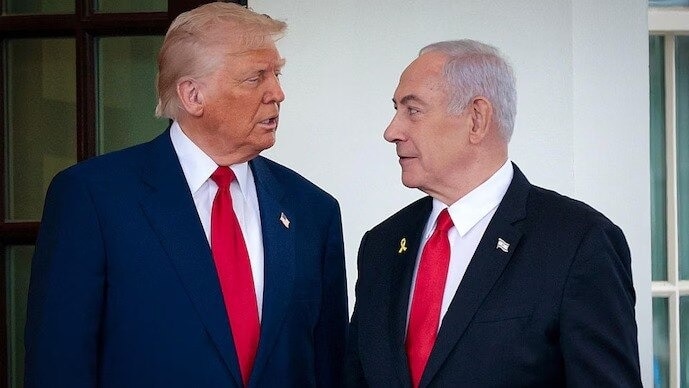
US President Donald Trump urged Israeli Prime Minister Benjamin Netanyahu to withdraw Israeli military forces from Syria and Lebanon during a phone call on July 9, according to US and Israeli officials cited by Axios. Trump warned that the presence of Israeli troops in Syria "creates tensions and could lead to an escalation," telling Netanyahu that local populations opposed the military presence. "They don't want you there. You should redeploy," Trump said regarding both Syria and Lebanon.
The pressure from Washington follows a meeting Trump held with Syria's transitional government president Ahmad al-Shara at the NATO summit in Turkey—one day before the call with Netanyahu. The US administration has spent months attempting to broker a new security agreement between Israel and Syria, but has now concluded that Netanyahu is unwilling to make the concessions Washington seeks, particularly regarding Israeli forces that have occupied Syrian territory since the fall of the Assad regime in December 2024.
Netanyahu's office responded by emphasizing the strategic importance of maintaining security zones along Israel's borders. Israel currently occupies large areas of southern Lebanon and southern Syria, citing the need to prevent attacks similar to October 7. Some Israeli officials have advocated for indefinite control and the establishment of Jewish settlements in these territories.
On Lebanon specifically, negotiations are progressing through US mediation. The three parties signed a framework agreement weeks earlier in which Israel committed to withdrawing from two pilot areas in southern Lebanon to be handed over to Lebanese forces. However, Israel has not yet initiated withdrawal, and disagreements persist over verification procedures—with Israel insisting on confirming the removal of Hezbollah weapons before proceeding, while Lebanon wants the US military to oversee compliance verification.
Netanyahu faces significant external pressure at a critical political moment, with Israeli elections scheduled for three months away. Analysts assess that he is unlikely to take substantial action regarding Syrian withdrawals or expand Lebanese redeployment beyond existing frameworks, given the domestic political stakes involved.
Why This Matters
Trump's direct intervention signals a potential rift between the US and Israel on Middle East strategy. The pressure on Netanyahu to withdraw from Syria and Lebanon—territories Israel views as critical buffer zones—could reshape regional security arrangements and Israel's negotiating position. With Israeli elections three months away, Netanyahu's refusal to comply may signal his political priority over US preferences, complicating US efforts to stabilize Syria and resolve the Lebanese conflict through negotiated frameworks.
Timeline & Sources
Jul 8, 2026
WireTrump meets with Syrian transitional leader Ahmad al-Shara at NATO summit in Turkey
Jul 9, 2026
WireTrump calls Netanyahu, urges withdrawal of Israeli forces from Syria and Lebanon
Jul 14, 2026
WireAxios reports on Trump-Netanyahu call; story published by TASS
Jul 15, 2026
WireStory reported by ifeng and AajTak; Israeli elections scheduled in approximately 3 months