Emerging
Jun 22, 2026 Major2
88%
Former Wimbledon champion Marketa Vondrousova handed four-year ban for refusing doping test
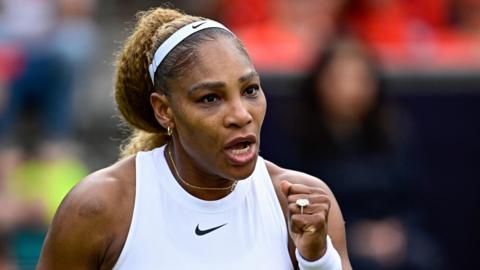
Marketa Vondrousova, the 2023 Wimbledon champion, has been suspended for four years by the International Tennis Integrity Agency for refusing an anti-doping test at her home in December 2025. The player cited safety fears and mental stress, but an independent tribunal found no compelling justification for her refusal. Vondrousova, who maintains she has never doped, can appeal the decision to the Court of Arbitration for Sport.



Quick Facts
Who
Marketa Vondrousova
What
Refused an anti-doping test
When
3 December 2025
Where
Vondrousova's home in the Czech Republic
- Refused an anti-doping test
- Received a four-year ban
- Signed a refusal form
- Appealed through legal representation
- Marketa Vondrousova
Marketa Vondrousova, the former Wimbledon champion from the Czech Republic, has been banned from tennis for four years after refusing to submit to an anti-doping test at her home in December 2025, the International Tennis Integrity Agency (ITIA) announced on Monday. The independent tribunal handed down the maximum suspension after finding that Vondrousova, 26, provided “no compelling justification” for her refusal.
Vondrousova, who rose to fame as the first unseeded woman to win Wimbledon in 2023, claimed she feared for her safety when a doping control officer arrived at her door around 8 p.m. on 3 December 2025. She stated that the officer did not properly identify themselves and failed to follow protocol, which added to her mental stress at the time. Vondrousova subsequently signed a refusal form and later explained her actions on Instagram, citing months of physical and mental exhaustion.
However, the ITIA tribunal, after hearing testimony from both Vondrousova and the doping control officer, concluded that the evidence did not support a valid excuse for non-compliance. ITIA CEO Karen Moorhouse stressed the importance of unpredictable testing as a cornerstone of clean sport, noting that the system cannot allow a player to be better off by refusing a test than by taking one. The ban is retroactive and will expire on 21 June 2030.
Vondrousova, who also reached the French Open final in 2019 and was a silver medalist at the Tokyo 2020 Olympics, has not played competitively since January and has fallen to 122nd in the world rankings. In a statement, she maintained her innocence, saying, “I have never doped. I have never had a positive test.” She has the right to appeal the decision to the Court of Arbitration for Sport (CAS) in Switzerland and is being represented by American lawyer Howard Jacobs, who previously helped Simona Halep overturn a similar ban.
The case adds Vondrousova to a growing list of high-profile tennis players involved in anti-doping controversies, including Jannik Sinner, Iga Swiatek, and Simona Halep, though those players either tested positive for banned substances or accepted shorter suspensions. The ITIA described a test refusal as “extremely rare,” with only one other similar case — Russian player Vladislav Ivanov — receiving a four-year ban in 2024.
Topics
Why This Matters
This case underscores the zero-tolerance stance of tennis authorities toward test refusal — a tactic that some athletes might consider to avoid detection. For fans and bettors, it signals that any form of non-compliance, even without a positive test, can end a career. It also raises questions about the balance between athlete welfare and rigorous anti-doping protocols in professional sports.
Timeline & Sources
Dec 3, 2025
WireDoping control officer visits Vondrousova's home; she refuses the test and signs a refusal form.
Jun 22, 2026
WireITIA announces four-year ban following an independent tribunal hearing.
Jun 21, 2030
WireScheduled end of the ban, subject to any appeal.