
Geo
Published Jul 8, 2026Updated Jul 11 Major3
97%
Pakistan Stock Exchange plunges 4,600 points as Trump's Iran comments trigger global market turmoil
The Pakistan Stock Exchange's KSE-100 index fell 4,626 points (2.48%) to close at 181,629.36 on Wednesday following US President Donald Trump's statement that a ceasefire with Iran was "over," triggering global market turmoil as oil prices surged and investors fled risk assets amid heightened Middle East tensions.
Quick Facts
- KSE-100 index plunged 4,626.19 points
- Trump declared Iran ceasefire "over"
- US military conducted airstrikes on Iran
- US revoked crude oil sales licenses for Iran
- Market hit intraday low of 179,504.34
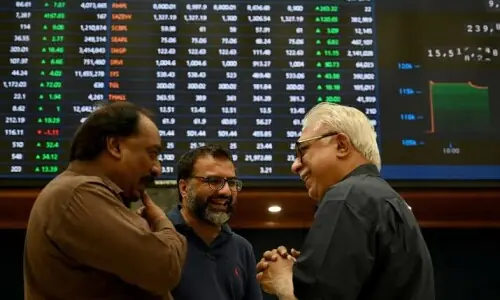

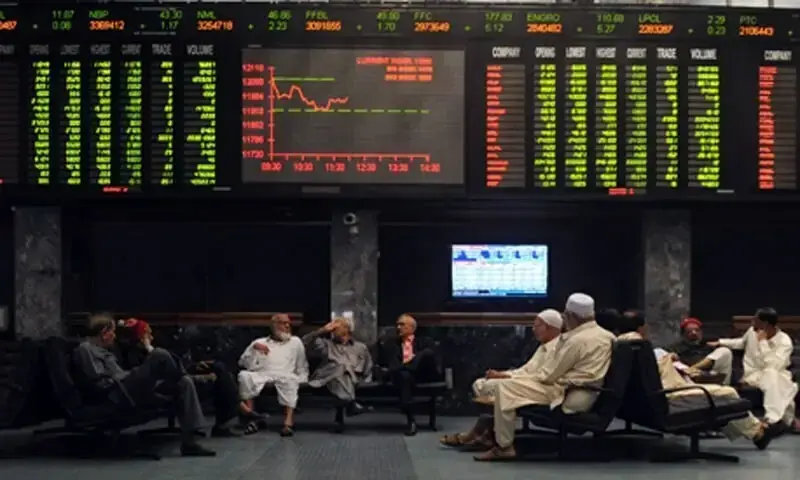
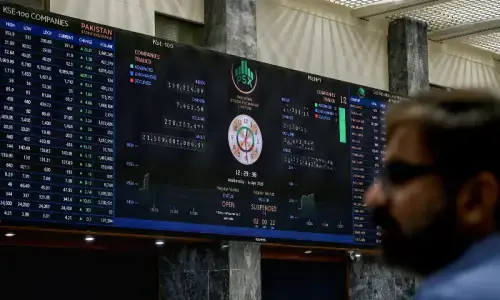
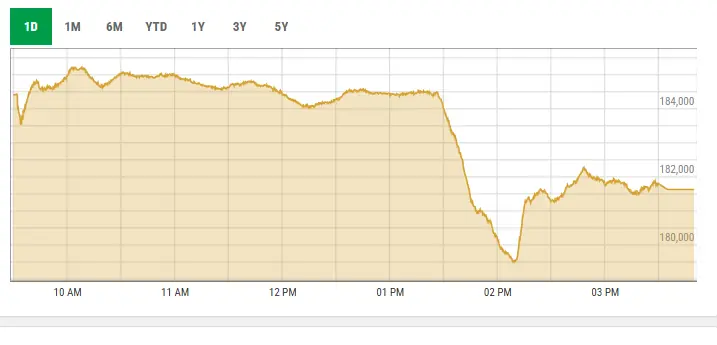
The Pakistan Stock Exchange (PSX) benchmark KSE-100 index fell sharply on Wednesday, closing at 181,629.36 points—a decline of 4,626.19 points or 2.48%—as US President Donald Trump's statement that a ceasefire with Iran was "over" sparked widespread investor panic. The market experienced severe selling pressure, plunging to an intraday low of 179,504.34 points before recovering partially through value-hunting activity in the latter stages of trading. The decline was compounded by profit-taking after the index's recent rally and concerns over Middle East geopolitical tensions affecting global oil supplies.
The sharp selloff was triggered by Trump's declaration that the Pakistan-mediated memorandum of understanding to end hostilities with Iran had concluded, coming after recent US military airstrikes on Iran and the revocation of licences allowing Iranian crude oil sales. This development reignited fears of disruption to energy markets and regional instability. Global markets reflected similar turmoil: European shares dropped 1.6% marking their worst single day since mid-March, while the VIX volatility index surged nearly 13% in its largest one-day gain in over a month. US crude oil prices jumped more than 5%, while US stock index futures fell 0.8% to 1.2%.
Market analysts attributed the decline to multiple factors beyond geopolitical concerns. Awais Ashraf, director of research at AKD Securities, noted that investor sentiment weakened following Trump's comments and the accompanying uncertainty over oil supply disruptions from the Middle East. Topline Securities highlighted that broad-based profit-taking had accelerated as investors locked in gains following the KSE-100's strong recent performance. Heavy selling was concentrated among major companies: UBL, FFC, ENGROH, LUCK, and HUBC collectively reduced the index by approximately 1,528 points. Trading volume reached 1,551.04 million shares valued at Rs62.44 billion, reflecting robust but bearish market activity.
The market had already faced headwinds on Tuesday when it snapped a five-day bullish streak, falling over 1,100 points as investors engaged in profit-taking despite the index approaching its all-time high of 189,167 points set in January. The recent momentum had been driven by economic optimism stemming from falling energy prices and expectations of interest rate cuts. Wednesday's decline extended these losses amid heightened geopolitical uncertainty, though analysts noted that longer-term investor confidence remained partially supported by expectations of strong corporate earnings in the upcoming results season and an otherwise supportive macroeconomic backdrop.
Why This Matters
Pakistan's stock market decline signals how geopolitical tensions in the Middle East can immediately ripple through emerging markets, affecting investment returns and portfolio valuations. For Pakistani investors and businesses, this pullback—driven by oil price volatility and regional uncertainty—underscores the need to monitor US-Iran relations and diversify away from energy-sensitive sectors. Analysts note that while short-term sentiment remains pressured, longer-term confidence hinges on corporate earnings and interest rate expectations; readers should watch for central bank decisions and Q-results announcements to gauge sustained recovery.