
Yesterday·Emerging
Follow-up 2h ago4
91%
US midterm election day: Dow falls 197 points; AI stocks rally, semiconductors surge 2.6%
On US midterm election day, the Dow fell 197 points on cautious sentiment, but the Nasdaq rose 0.83% as AI stocks recovered from recent losses and semiconductor shares surged 2.63%. Election results will determine congressional control and potential policy shifts affecting AI regulation, national defense, and healthcare.
Quick Facts
- US midterm elections held
- Dow Jones fell 197.26 points
- Nasdaq Composite gained 207.65 points
- S&P 500 rose 27.52 points
- Philadelphia Semiconductor Index surged 2.63%


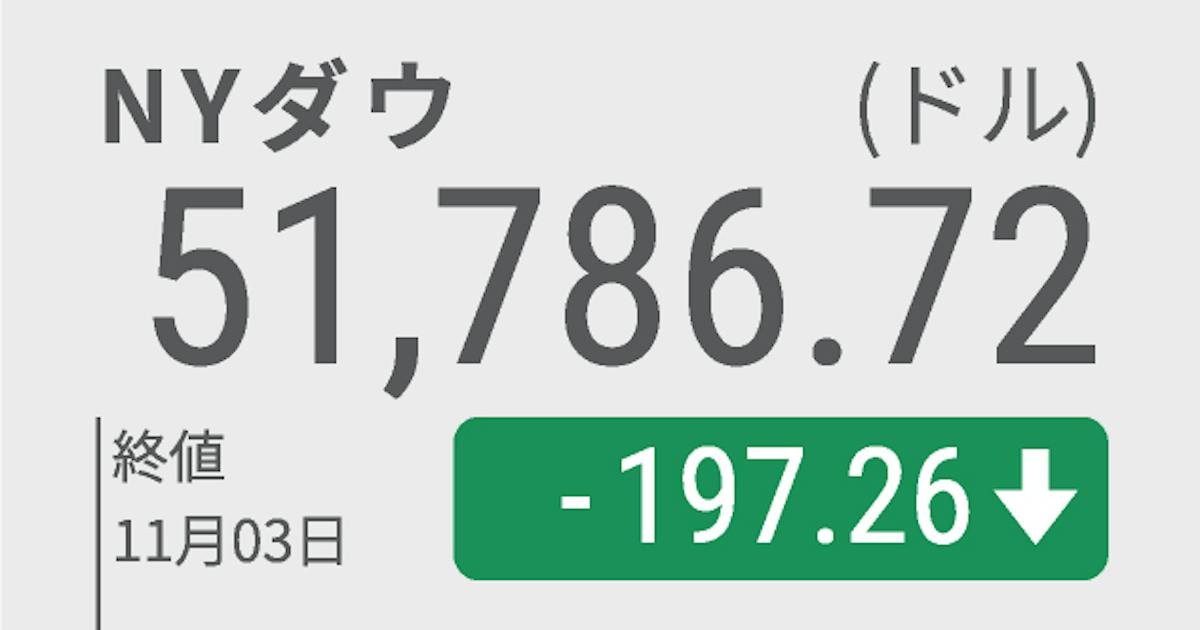
US stock markets showed mixed performance on November 3 as investors awaited midterm election results. The Dow Jones Industrial Average closed down 197.26 points (0.38%) at 51,786.72, while the Nasdaq Composite gained 207.65 points (0.83%) to 25,372.01. The S&P 500 rose 27.52 points (0.36%) to 7,568.92.
Cautious sentiment ahead of the midterm vote drove selling in both economically sensitive and defensive stocks. However, artificial intelligence-related shares that had fallen in recent sessions attracted aggressive buying, reversing losses. This rotation redirected capital away from safe-haven sectors including housing and consumer staples. The Philadelphia Semiconductor Index surged 2.63% to 10,600.40, led by broad gains in memory and storage stocks including Micron (up 2.58%), Western Digital (up 2.59%), and SanDisk (up 4.78%). AMD jumped 3.65% during regular trading and surged over 9% in after-hours trading following stronger-than-expected third-quarter earnings and upbeat fourth-quarter guidance.
Key technology stocks showed divergent moves. Apple declined 1.9% after fourth-quarter guidance disappointed despite beating prior-quarter expectations. Nvidia, Microsoft, Amazon, Meta, and Alphabet posted gains of 2.27%, 2.74%, 2.06%, 2.36%, and 0.37% respectively, supporting the Nasdaq's advance. Broadcom rose 3.07% and ON Semiconductor climbed 3.6%, with the latter reporting AI data center sales jumped 175% year-over-year.
Election outcomes will determine which party controls the House and Senate beginning January 2025. Analysts noted the results could shape policy direction on artificial intelligence, data center regulation, national defense, and healthcare. JPMorgan strategists warned that a Democratic sweep of both chambers could pressure equities, particularly AI stocks, amid concerns over regulatory tightening. US long-term interest rates rose, adding relative pressure to stock valuations. Job openings increased 333,000 to 7.523 million in September, exceeding forecasts and weighing on bond prices.
Market commentators noted that while AI-related stocks had become oversold after recent declines, broader investor concerns about the sustainability of massive capital expenditures, financing costs, and returns on AI infrastructure investment remained unresolved.
Why This Matters
US equity markets shifted on election day as investors repositioned ahead of congressional control outcomes. A sector rotation favored semiconductor and AI stocks while defensive positions sold off. Election results beginning January 2025 will determine legislative priorities affecting AI regulation, data center policy, and defense spending—sectors with direct market implications. Rising long-term interest rates and unresolved concerns about AI infrastructure returns sustained downside pressure on equity valuations despite intraday AI stock gains.
Timeline & Sources
Nov 3, 2026
WireUS midterm elections held; markets await results on election day