
Geo
Published Jul 26, 2026Updated Jul 309
92%
Atlanta activist charged after GrapheneOS phone wipes during airport search
Samuel Tunick, an Atlanta environmental activist, faces federal felony charges after his GrapheneOS phone was wiped during a January 2025 Customs and Border Protection search at Atlanta's airport. The case marks the first known prosecution involving the privacy-focused operating system's duress password feature and raises questions about constitutional rights at borders and the legality of privacy-protective technology.
Quick Facts
- Airport secondary screening and device search
- Phone wiped using GrapheneOS duress password feature
- Federal indictment for destruction of property
- Motion to suppress evidence filed by defense
- First known prosecution involving GrapheneOS duress password



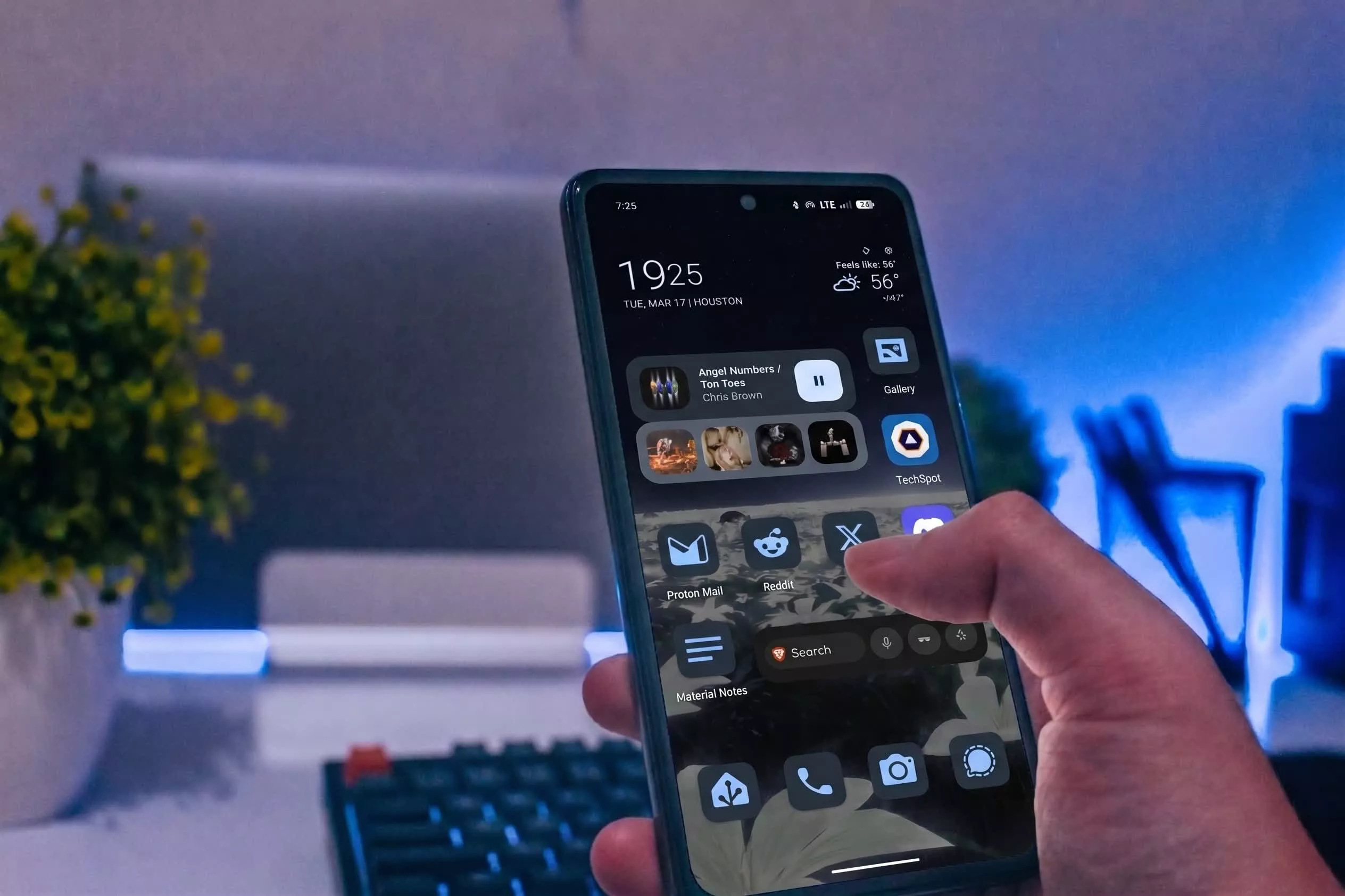

Samuel Tunick, an Atlanta-based environmental activist, faces federal felony charges after his GrapheneOS phone was wiped during a Customs and Border Protection search at Hartsfield-Jackson Atlanta International Airport on January 24, 2025. Tunick was returning from the Dominican Republic when agents detained him for secondary screening. According to court filings, federal authorities had placed him on a terrorism watchlist related to his involvement with protests against Cop City, a $109 million police training facility in Atlanta, though agents cited child sexual abuse material as the stated reason for the device search.
During questioning, Tunick requested legal counsel multiple times but was denied access to a lawyer, according to his defense team. Agents repeatedly demanded his phone's passcode, warning they would seize the device if he refused. When Tunick provided a code, the phone displayed a blank screen, flashed several times, and restarted—triggering a duress password feature built into GrapheneOS, a privacy-focused Android operating system designed for Google Pixel phones. The duress password irreversibly wipes a device when activated. Prosecutors argue in their November 2024 indictment that Tunick intentionally destroyed property to prevent its seizure by authorities, citing federal law prohibiting the knowing destruction of property to impair government seizure. If convicted, he could face up to five years in prison.
Tunick's defense team contends the search violated his constitutional rights, arguing no warrant was presented, he was not read his Miranda rights, and the stated reason for the search was a pretext for investigating his activism related to the Defend the Atlanta Forest protest movement. They filed a motion to suppress evidence based on these alleged violations, with a ruling not expected until late October 2026. The case marks the first known prosecution involving GrapheneOS's duress password feature. Privacy experts and the GrapheneOS Foundation have expressed concern about the precedent. Christophe Boutry, a cybersecurity expert, stated the prosecution "sends the message that [GrapheneOS] is criminal by default." The GrapheneOS Foundation has defended the operating system as "completely legal" and argued that any law attempting to restrict its security features would be unconstitutional.
The incident occurs amid broader debate over privacy rights and border search authority. Federal courts have issued conflicting rulings on whether CBP agents require warrants to search devices at ports of entry. CBP claims constitutional protections do not apply at borders, while some federal judges have ruled that manual and forensic device searches require warrants. Tunick's case has resonated across privacy and civil liberties circles, with supporters arguing that the prosecution aims to intimidate activists and ordinary citizens from protecting their data.
Why This Matters
A U.S. federal prosecution against an activist for possession of privacy-protective software marks a novel application of property-destruction law at the border. The case directly tests the boundaries of CBP search authority without warrants, conflicting federal rulings on device searches at ports of entry, and whether operating systems with automatic data-wiping features can be prosecuted as destruction tools. If Tunick is convicted on current charges, the precedent could affect millions of users of privacy-focused Android systems and chill adoption of security technologies; conversely, if evidence suppression succeeds, CBP warrantless device search practices may face judicial restriction. Ruling expected late October 2026.
Timeline & Sources
Jan 24, 2025
WireSamuel Tunick detained at Hartsfield-Jackson Atlanta International Airport after returning from Dominican Republic; CBP secondary screening and device search; phone wiped using GrapheneOS duress password
Jul 25, 2026
WireMedia coverage begins; Gizmodo reports on case
Jul 28, 2026
WireMultiple news outlets report; Tunick gives interview to 404 Media; The Guardian and Ars Technica publish coverage
Oct 31, 2026
WireExpected ruling on motion to suppress evidence (late October 2026)
Sources
- Activist charged with felony after giving border agent "duress code" that wiped his phonears_technicaMediaJul 27, 2026
- Is it illegal to trick the US government into wiping your phone during a questionably legal search | The case of a traveler who allegedly entered a ‘duress password’ to wipe his phone raises a legal question with no easy answerstheverge.comMediaJul 28, 2026
- US prosecutors charge Atlanta man after GrapheneOS phone wipes itself during airport searchtechspot.comMediaJul 26, 2026
- The US is charging an American citizen for wiping his phone at the bordergizmodo.comMediaJul 25, 2026
- Man charged for wiping GrapheneOS phone using "duress" password during airport checksneowin.netMediaJul 28, 2026
- GrapheneOS Defends Data-Wiping Function That Blocked US Border Searchpcmag.comMediaJul 27, 2026
- ‘The Government Hopes To Set a Precedent’: An Interview With the Man Charged for Allegedly Wiping His GrapheneOS Phone404media.coMediaJul 28, 2026
- Can you be prosecuted for wiping your phone at the border?Yahoo TechMediaJul 28, 2026
- GrapheneOS says its data-wiping password is perfectly legal, after user faces federal chargestechspot.comMediaJul 29, 2026