Emerging
Jun 23, 2026 Major2
82%
SFTS infections surge to 78, outpacing last year's record pace; first cases reported in Ibaraki and Okayama
Japan is experiencing a record-breaking surge in SFTS cases, with 78 infections reported so far in 2026, surpassing last year's total. New infections have been confirmed for the first time this year in Ibaraki and Okayama prefectures, prompting health officials to urge caution during tick-active seasons.


Quick Facts
Who
National Institute of Infectious Diseases
What
SFTS infections reach 78 in 2026
When
2026
Where
Japan
- SFTS infections reach 78 in 2026
- new cases confirmed in Ibaraki and Okayama
- surge exceeds last year's record pace
- National Institute of Infectious Diseases
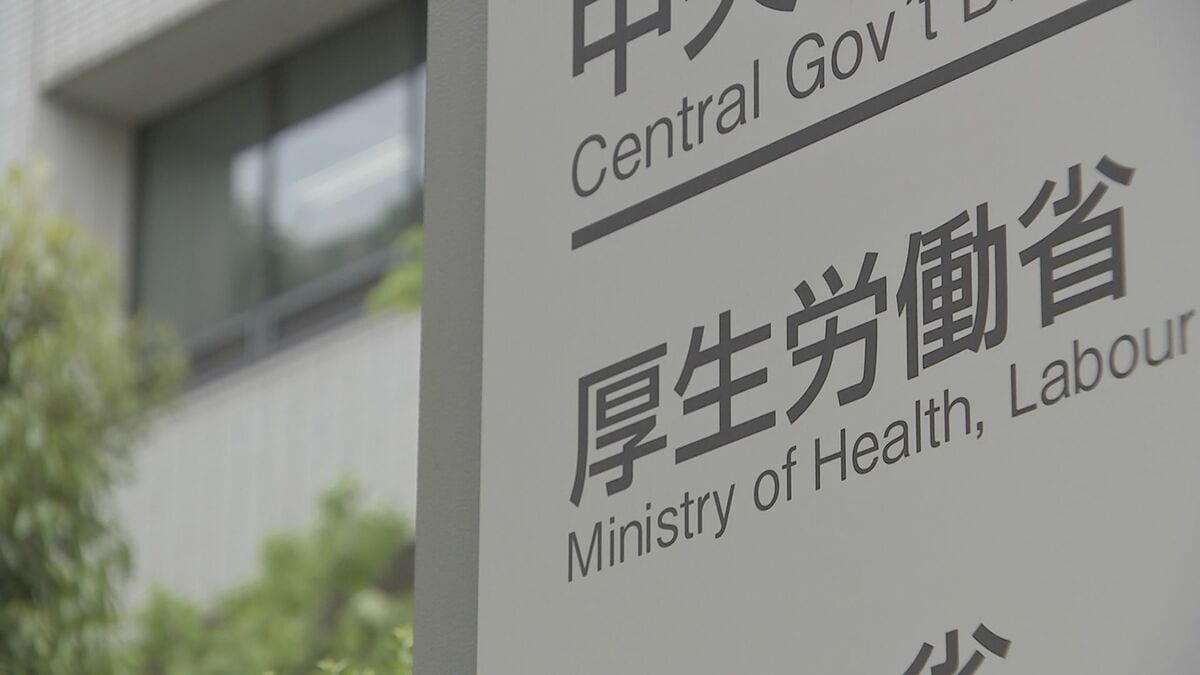
- Ministry of Health, Labour and Welfare
The number of reported cases of Severe Fever with Thrombocytopenia Syndrome (SFTS), a tick-borne infectious disease, has reached 78 so far this year, exceeding the record pace set last year, according to Japan's National Institute of Infectious Diseases (NIID). Seven new infections were confirmed in the week leading up to June 14, 2026, pushing the total beyond the previous year's record. For the first time in 2026, infections were reported in Ibaraki and Okayama prefectures, which had not seen any cases earlier this year.
SFTS is caused by a virus carried by ticks, primarily the Haemaphysalis longicornis species, and is transmitted to humans through tick bites. Symptoms include fever, nausea, and vomiting, and severe cases can lead to hemorrhagic fever and death. The disease has a fatality rate of approximately 10-30% in reported cases, according to the NIID.
The Ministry of Health, Labour and Welfare has warned that infections tend to increase during the fall, when tick activity is at its peak. Officials are urging the public to take precautions when entering grassy or wooded areas, such as covering skin, using insect repellent, and checking for ticks after outdoor activities. The ministry continues to monitor the situation closely, as the current surge is already outpacing the record year of 2025.
Why This Matters
This record surge in SFTS cases is a concrete signal that tick-borne disease transmission is accelerating in Japan. For travelers or residents planning outdoor activities during the fall tick season, understanding the geographical spread (including previously unaffected prefectures) is crucial for adopting preventive measures. The high fatality rate (10–30%) underscores the need for immediate public health action and personal vigilance.
Timeline & Sources
Jun 14, 2026
WireWeek ending with 7 new SFTS cases confirmed; total reaches 78
Jun 23, 2026
WirePublic report on SFTS cases exceeding last year's record; first cases in Ibaraki and Okayama