
Oct 22·Geo
Follow-up 3h ago6
93%
Israel votes in pivotal election as Netanyahu faces close race with Eisenkot
Israelis vote on October 27 in their first election since October 2023's Hamas attack, with Prime Minister Netanyahu in a close race against former military chief Gadi Eisenkot. Polls show neither bloc has a clear path to a 61-seat majority without coalition negotiations that could take weeks, with Arab-led parties potentially playing a decisive role.
Quick Facts
- Israeli parliamentary election for the 120-seat Knesset
- First election since October 7, 2023 Hamas-led attack
- Netanyahu facing close race with Eisenkot
- Four opposition parties signed non-aggression pact in late September
- Eisenkot resigned from Netanyahu's war cabinet in 2024
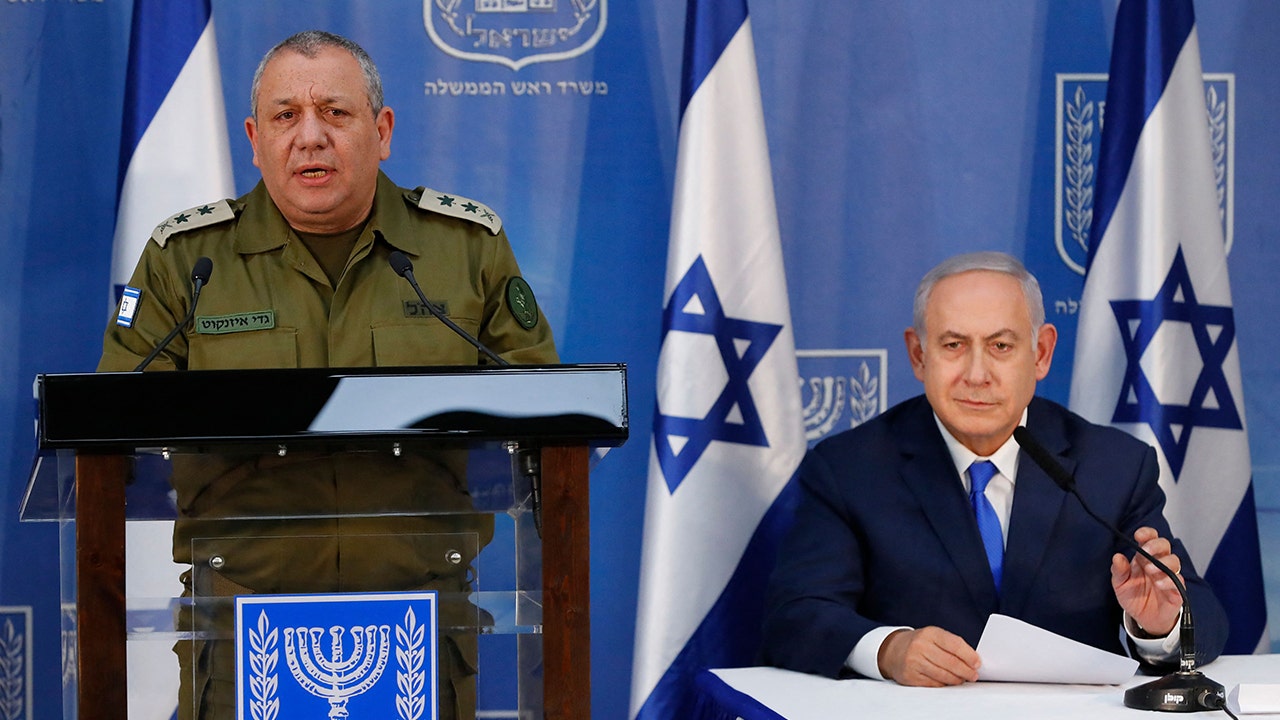



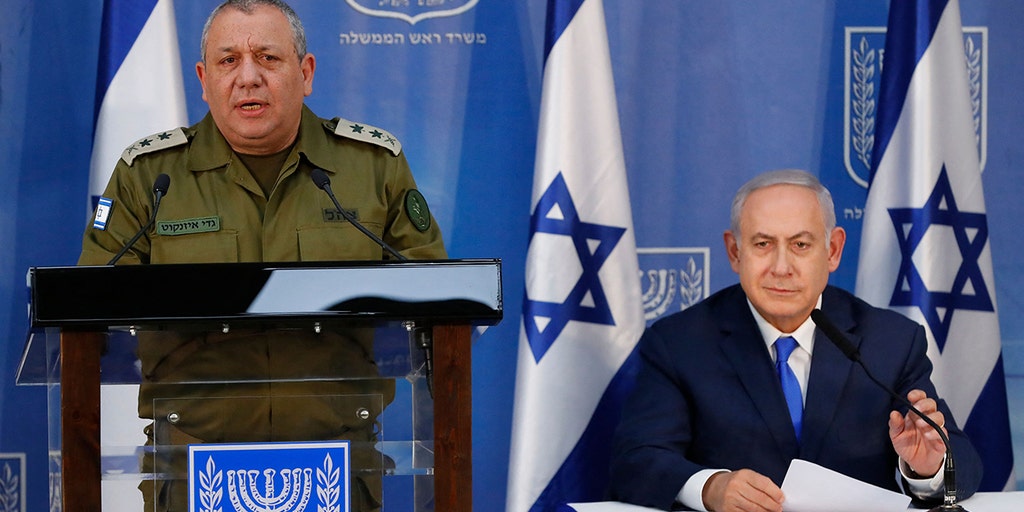
Israelis will vote on October 27 in their first parliamentary election since the October 7, 2023 Hamas-led attack that killed approximately 1,200 people and led to Israel's subsequent military operations in Gaza, Lebanon, and Iran. Prime Minister Benjamin Netanyahu, who has served 19 years across multiple terms since 1996, is fighting to retain power amid public anger over the attack, ongoing wars, and corruption charges.
Opinion polls show a tight race between Netanyahu's right-wing Likud party and Gadi Eisenkot's centrist Yashar party. Eisenkot, 66, is a retired lieutenant general who served as Israel Defence Forces chief of staff from 2015 to 2019 and joined Netanyahu's war cabinet in October 2023 before resigning in 2024. His son, Master Sergeant Gal Eisenkot, was killed by Hamas in December 2023, along with two nephews. Eisenkot has campaigned on establishing an independent inquiry into October 7's security failures, a broader military draft including ultra-Orthodox Jewish men, and restoring public trust in state institutions. He has ruled out serving in a government led by Netanyahu.
Israel's 120-seat Knesset requires a governing coalition of at least 61 seats. No single party has ever won an outright majority. Recent polling projects Netanyahu's religious-nationalist alliance at 49–51 seats and the main Jewish opposition bloc at 52–54 seats, with Arab-led parties potentially holding the balance of power. Netanyahu's traditional coalition partners include far-right National Security Minister Itamar Ben-Gvir's Jewish Power party, Finance Minister Bezalel Smotrich's Religious Zionism party, and the ultra-Orthodox parties Shas and United Torah Judaism. The opposition includes Eisenkot's Yashar, the centrist Together alliance (led by former prime ministers Naftali Bennett and Yair Lapid), Yair Golan's left-leaning Democrats, and Avigdor Lieberman's Yisrael Beiteinu. Four opposition parties signed a non-aggression pact in late September to unite against Netanyahu.
Netanyahu has faced criticism for focusing on military achievements rather than addressing accountability for October 7. He has refused to establish an independent state inquiry, and relatives of hostages who died in Gaza have accused him of exploiting their deaths in campaign messaging. Political analysts note that 65 percent of voters surveyed hold Netanyahu largely responsible for the security failures. However, supporters argue his military record demonstrates strength on national security, with Israel achieving what they characterize as significant strategic victories against Hamas, Hezbollah, and Iran.
Key campaign issues include security and accountability for October 7; conscription policy, particularly whether ultra-Orthodox Jewish men in full-time religious study should be drafted; judicial reform (Netanyahu's government continues pursuing reforms critics say would compromise judicial independence); cost of living; and Israeli policy toward Palestinians in Gaza and the occupied West Bank. Both Netanyahu and Eisenkot oppose Palestinian statehood and demand Hamas's disarmament, though they differ on settlement policy. Netanyahu also faces economic pressure, with concerns over potential international banking sanctions and international isolation linked to military policies.
About 7.3 million Israelis are eligible to vote. After election day, coalition negotiations could take weeks or months. Coalition building may involve Arab-led parties: Ra'am (United Arab List) made history in 2021 by joining Bennett's coalition and has signalled willingness to do so again, though most opposition leaders, including Eisenkot, have ruled out such an alliance. The Joint List, representing Palestinian citizens of Israel, could provide outside parliamentary support without joining government. If no bloc secures 61 seats, a minority government supported by external parties remains possible.
Why This Matters
Israeli voters will determine parliamentary control and government formation after 14 months of continuous military operations. Neither Netanyahu's right-wing coalition nor the opposition bloc is projected to secure 61 of 120 Knesset seats outright; coalition negotiations will likely extend weeks or months and may require support from Arab-led parties, affecting policy on military conscription (particularly for ultra-Orthodox Jews), judicial reform, settlement expansion, and Gaza reconstruction. International banking concerns and potential sanctions linked to military policies add economic pressure to the domestic political outcome.
Timeline & Sources
Jan 1, 1996
WireBenjamin Netanyahu begins serving as Prime Minister across multiple terms (total 19 years)
Jan 1, 2015
WireGadi Eisenkot appointed Israel Defence Forces chief of staff
Oct 20, 2026
WireRelatives representing 17 dead hostages accuse Netanyahu of exploiting their deaths in campaign
Oct 27, 2026
WireIsraeli parliamentary election for 120-seat Knesset
Related Signals
Sources
- How do Israel's elections work and who are the main contenders?BBCMediaOct 22, 2026
- Backgrounder: 5 things to know about Israel's upcoming parliamentary electionxinhuaMediaOct 22, 2026
- Israeli elections: What are the possible outcomes?Al JazeeraMediaOct 25, 2026
- Former Israeli army chief Gadi Eisenkot emerges as Netanyahu’s leading election challengerFox NewsMediaOct 25, 2026
- Israeli election to test Benjamin Netanyahu's ability to hold powerCBS NewsMediaOct 25, 2026
- News Analysis: Five challenges facing Netanyahu ahead of Israeli electionxinhuaMediaOct 25, 2026