
Sep 17·Geo
Follow-up Sep 193
95%
Russia strikes Ukraine as U.S. House passes sanctions bill targeting Moscow
Russian air strikes injured dozens across Ukraine on September 17 as the U.S. House passed sanctions targeting Moscow. The strikes hit eight regions including Kyiv and Odesa, while Ukrainian forces attacked Russian oil refineries and military targets.
Quick Facts
- Russian air strikes using ballistic missiles, cruise missiles, and drones
- Damage to civilian infrastructure and energy facilities
- U.S. House passage of Lindsey Graham Sanctioning Russia and Iran Act of 2026
- Ukrainian drone strikes on Russian oil refineries and military airfields
- Air defense interceptions by Ukrainian forces
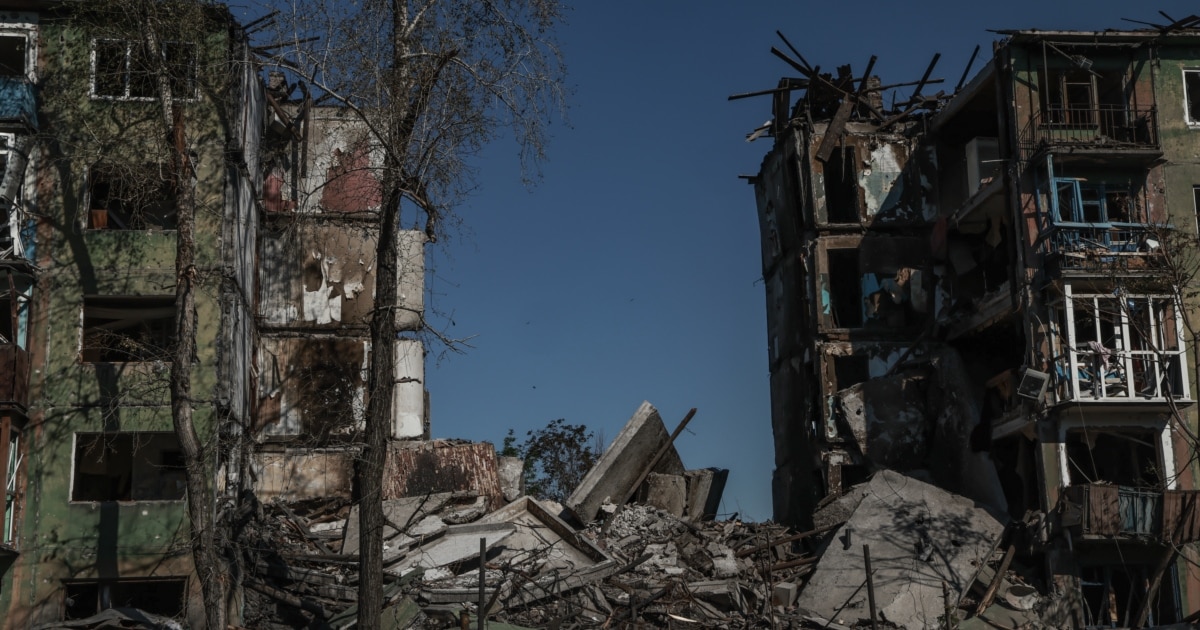
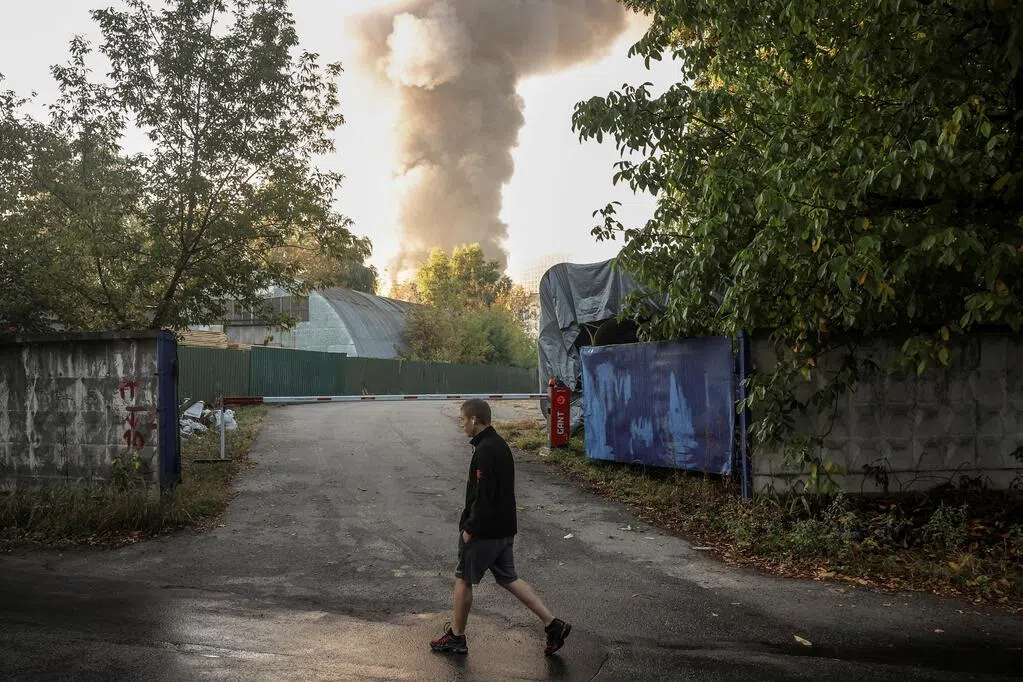
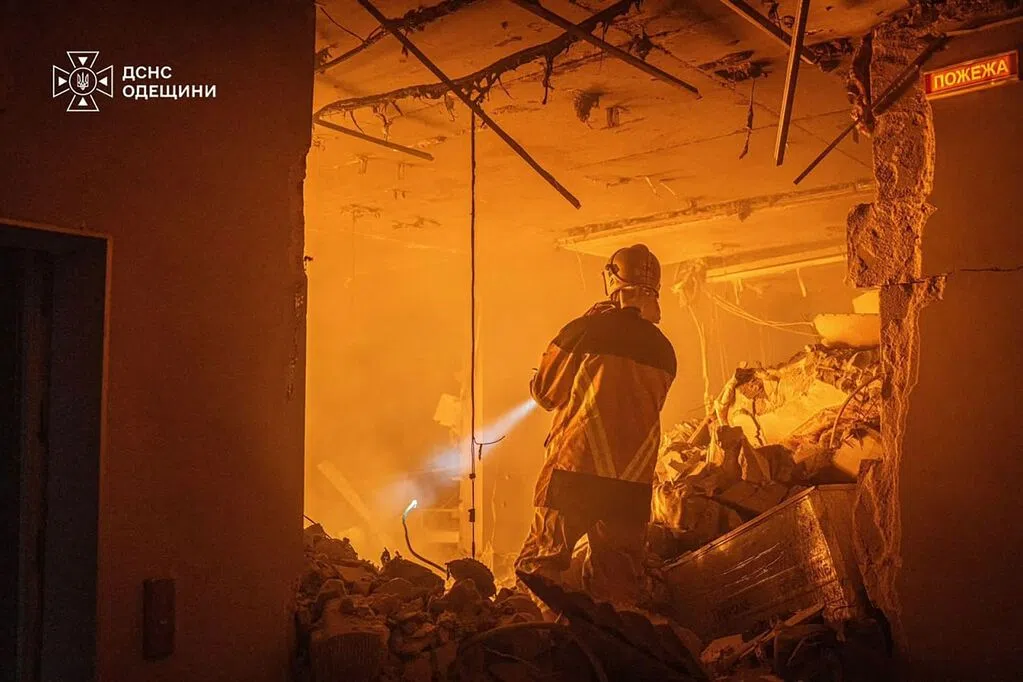
Russian forces launched a fresh wave of air strikes across Ukraine on September 17, deploying ballistic missiles, cruise missiles, and approximately 160 drones against multiple cities and regions. According to Ukrainian officials, the strikes damaged civilian infrastructure and energy facilities across eight regions, with Kyiv, Odesa, and Zaporizhzhya among the hardest hit. Kyiv Mayor Vitali Klitschko reported 18 people injured in the capital, including two children, while Odesa authorities reported six injured and Zaporizhzhya three injured from direct strikes; a separate attack on a bus in Zaporizhzhya later injured at least five more people. Ukrainian air defenses reported intercepting or suppressing 131 drones and stated that Russian missiles and drones struck 36 locations with five additional sites hit by debris.
The Russian strikes came hours after the U.S. House of Representatives passed the Lindsey Graham Sanctioning Russia and Iran Act of 2026 on September 16, legislation aimed at increasing economic pressure on Moscow. Ukrainian President Volodymyr Zelenskyy called the passage of the bill "symbolic," stating that combined with other strong sanctions measures, it represents "an extremely powerful tool" to compel Russia toward peace negotiations. Ukrainian Foreign Minister Andriy Sybiha welcomed the legislation but urged additional measures, including a full embargo, restrictions on Russia's shadow fleet, and sanctions targeting Russia's military-industrial complex.
Russia has not officially commented on the Ukrainian strikes. However, Russian regional authorities reported that Ukrainian drone attacks damaged an oil refinery in Yaroslavl, approximately 250 kilometers northeast of Moscow, with the facility having previously halted two of three crude distillation units following an August attack. Russian authorities in Krasnodar region also reported that drone debris sparked a fire at an oil refinery, though it was quickly extinguished with no injuries reported. Zelenskyy confirmed Ukraine's strikes on Russian energy and military targets, stating that Ukraine's Security Service had attacked a military airfield in Rostov near the Ukrainian border, damaging aircraft and helicopters.
The escalation follows U.S. President Donald Trump's announcement on September 14 of a proposed energy truce between the two countries, which neither Russia nor Ukraine has formally confirmed. Trump had previously urged Zelenskyy to cease strikes on Russian diesel infrastructure, citing global fuel shortages. Ukrainian drone strikes on Russian energy facilities over the summer have caused nationwide fuel shortages in Russia and increased civilian discontent in regions previously insulated from the conflict, now in its fifth year. Ukrainian officials have noted a critical shortage of U.S.-supplied air defense interceptors needed to counter the intensified Russian missile and drone campaign.
Why This Matters
Intensified military operations across the Russia-Ukraine conflict affect energy supply chains in Eastern Europe and beyond; U.S. sanctions legislation imposes additional economic measures on Moscow's financial and military sectors. Ukrainian air defense capacity shortages and Russian drone/missile deployments affect civilian casualties and infrastructure damage. Fuel shortages in Russia and supply disruptions in Ukraine create measurable impacts on regional markets and civilian populations. The proposed energy truce remains unconfirmed, leaving escalation trajectory uncertain.
Timeline & Sources
Sep 14, 2026
WireU.S. President Trump announces proposed energy truce between Russia and Ukraine
Sep 16, 2026
WireU.S. House of Representatives passes Lindsey Graham Sanctioning Russia and Iran Act of 2026
Sep 17, 2026
WireRussian air strikes hit Kyiv with missiles and drones; 12-18 people injured including children
Sep 17, 2026
WireKyiv Mayor Klitschko reports 18 injured in capital; later FPV drone hits bus in Zaporizhzhya injuring 5+ more