
Emerging
Published Jun 18, 2026Updated Jun 181
69%
Russia Faces Critical Shortage of S-300 Interceptor Rockets Amid Ukraine Conflict
Russia is facing a critical shortage of S-300 air defense interceptor rockets due to increased use for both defensive and offensive operations, Ukrainian drone attacks, and direct strikes on Russian air defense infrastructure. The shortage is compounded by Russia's defense industry lacking critical components such as guidance systems and control modules needed for replacement production.
Quick Facts
- Shortage of S-300 interceptor rockets
- Increased use of S-300 rockets for ground strikes
- Ukrainian attacks on Russian air defense systems
- Ukrainian drone attacks requiring interceptor expenditure
- Destruction of air defense complexes in occupied territories
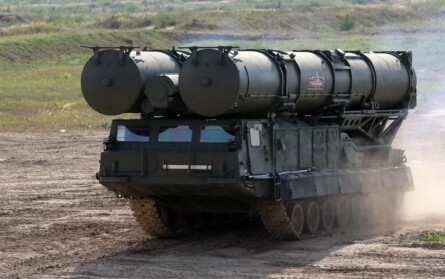
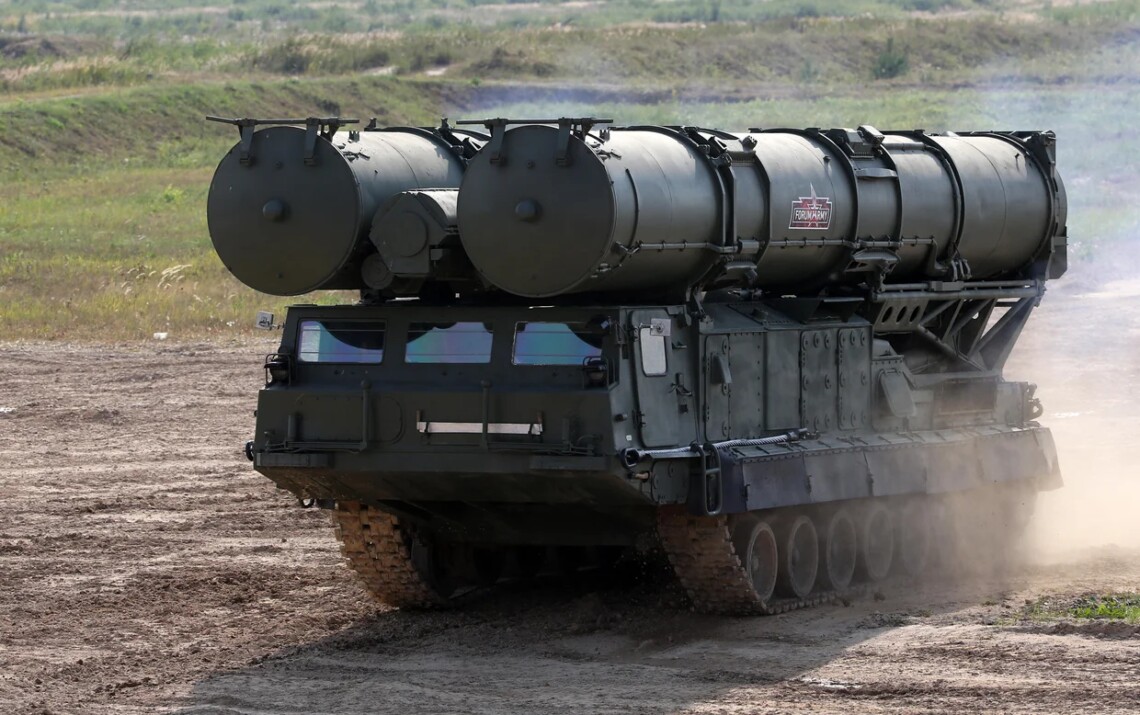
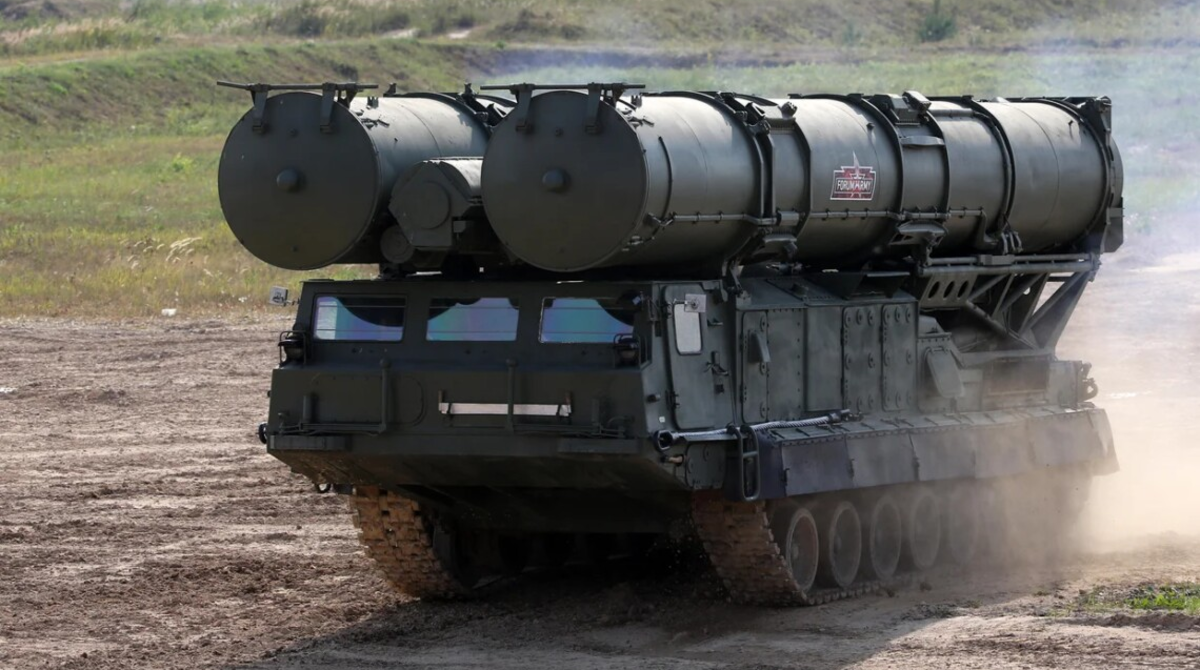
Russia is experiencing a critical shortage of interceptor rockets for its S-300 air defense systems, a key component of its air defense infrastructure, according to reports citing Ukrainian officials. The S-300 system remains essential to Russia's air defense capabilities, but supplies are being rapidly depleted through multiple channels.
The shortage stems from several interconnected factors. The Russian military is increasingly using S-300 interceptors not merely for air defense but also as strike weapons against Ukrainian ground targets, significantly reducing available inventory. Additionally, Russia must expend substantial quantities of interceptors to counter regular attacks by Ukrainian unmanned aerial vehicles, particularly newer drone models equipped with jet engines. Ukrainian forces have also conducted systematic attacks directly on Russian air defense systems, destroying and disabling S-300 complexes throughout occupied Crimea and the Donbas region, including the Donetsk and Luhansk areas.
Replenishing these lost reserves presents a significant challenge for Moscow. According to sources cited by CBS News, Russia's defense industry faces critical shortages of essential components needed to manufacture replacement interceptors, including guidance systems and control modules. These supply constraints threaten to weaken Russia's air defense capabilities in the medium term, potentially leaving it increasingly vulnerable to Ukrainian air operations.
The situation reflects broader dynamics in the conflict, where Ukrainian forces are progressively degrading Russian military capabilities through targeting of rear infrastructure and supply lines. Recent reports indicate Ukraine is also developing its own ballistic missile systems capable of striking Russian territory, further pressuring Russia's defensive systems.
Why This Matters
This shortage could materially weaken Russia’s layered air defense over time, making military facilities, occupied territories, and logistics nodes more exposed to Ukrainian drone and air strikes. For readers tracking the war, it signals that strike pressure on Russian air defenses may be creating a compounding effect: fewer interceptors now, slower replacement later, and greater vulnerability to follow-on attacks.
Timeline & Sources
Jun 18, 2026
WireReports of Russian S-300 interceptor rocket shortage published by CBS News citing Ukrainian officials