
Yesterday·Geo
Follow-up 3h ago Major5
100%
US Daylight Saving Ends; Wall Street Opens Hour Later for Asian Traders
Daylight saving time ended in the US on November 1, with clocks falling back one hour at 2 a.m. This shifts Wall Street's opening to 14:30 GMT—an hour later for traders in Asia, Australia, and Europe—and alters global liquidity overlaps. The change occurs amid stalled congressional efforts to make daylight saving permanent, opposed by sleep scientists who favor permanent standard time.
Quick Facts
- Daylight saving time ended
- Clocks fell back one hour
- Wall Street now opens one hour later on GMT clocks
- House passed Sunshine Protection Act
- Senate stalled permanent daylight saving bill
Related Insights
THE DLES / Tape to Tape - 26 Oct 2026 - Unofficial Northernlion VOD Unofficial NL VODs · YouTube
The Entire History of Constantinople | 2 Hours of Calm History for Sleep apagethroughtime · YouTube
The ENTIRE Story of Toph For Sleep (Avatar) BedtimeBending · YouTube
Jobless on Earth, I Trade Scrap Brass for Gold in a Starving World, and They Call Me an Immortal Manhwa Capped · YouTube
3 Hours of Sleep History: 15 Mysteries Still Without Answers Nightfall Archives · YouTube
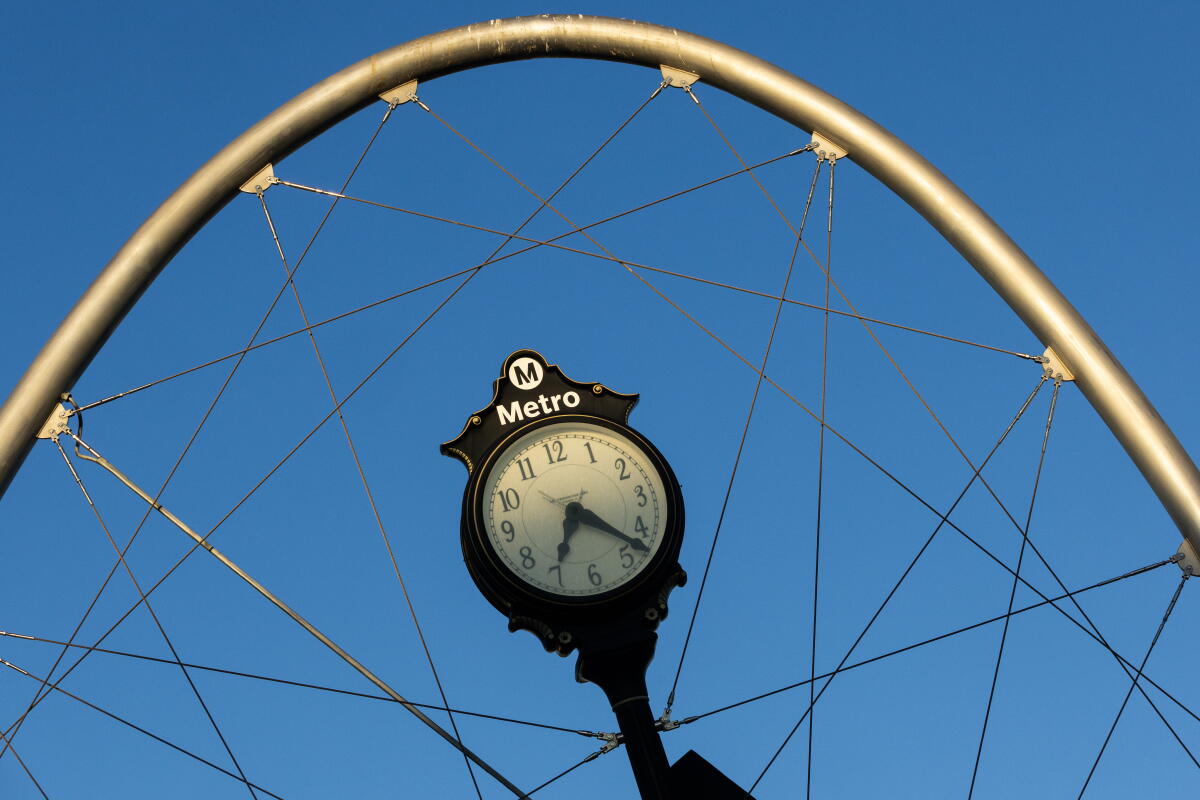

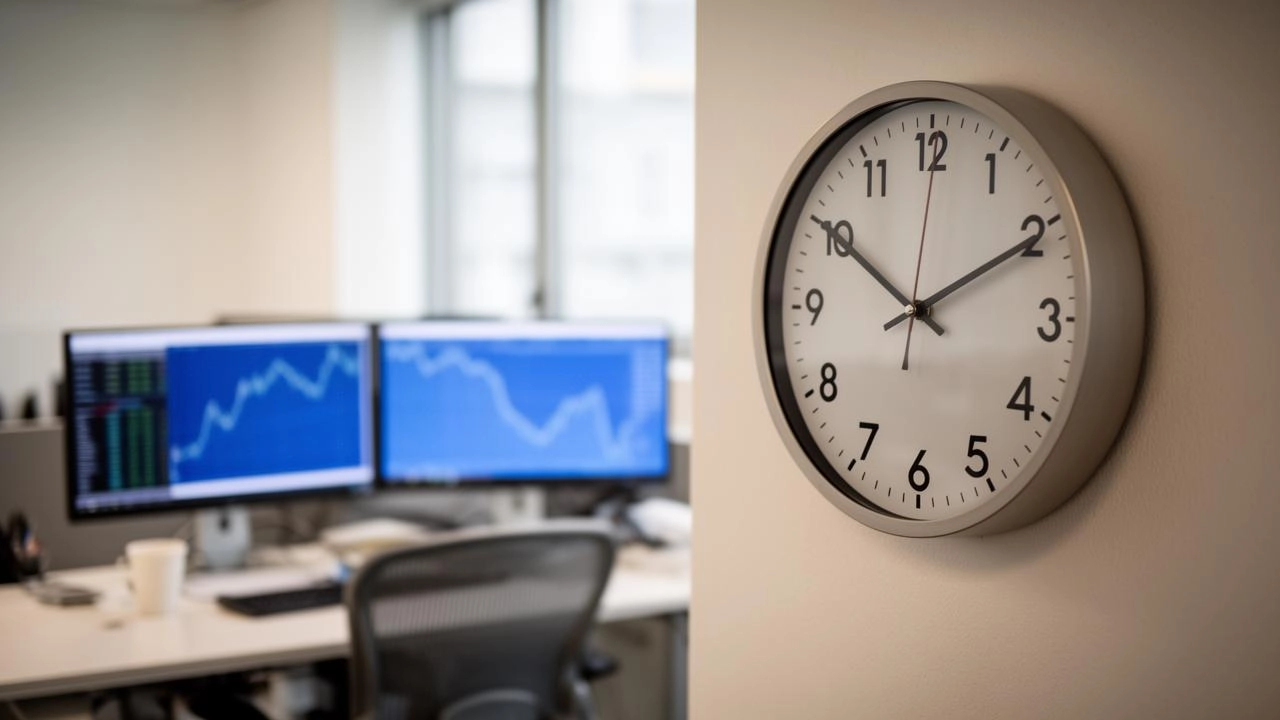

Daylight saving time ended across most of the United States and eastern Canada on Sunday, November 1, 2026, at 2 a.m. local time, with clocks falling back one hour. While exchange trading hours remain unchanged in local time, the shift significantly affects global traders. The New York Stock Exchange and Nasdaq now open at 14:30 GMT (9:30 a.m. ET), an hour later on the clocks of traders in Asia, Australia, and Europe. This means Wall Street's regular session now runs from 14:30 to 21:00 GMT, narrowing the window between the New York close and Asian market open and altering when US-driven price moves first reach Asian traders.
For traders in Asia-Pacific, the impact is most acute. Sydney traders now see the US cash market open at 01:30 and close at 08:00 local time—the widest time gap of the year as Australia observes daylight saving. Tokyo sees trading from 23:30 to 06:00, while Singapore and Hong Kong trade from 22:30 to 05:00. In South Korea, which does not observe daylight saving, the time difference widened from 13 to 14 hours, pushing the US market open to 23:30 Korean time. US economic data releases and Federal Reserve decisions also shift one hour later on GMT clocks.
The time change comes amid ongoing congressional debate over daylight saving policy. The House passed the Sunshine Protection Act in July on a bipartisan basis, which would make daylight saving time permanent year-round. However, the bill has stalled in the Senate, where Republican Senator Tom Cotton of Arkansas has led opposition, arguing that permanent daylight saving would result in very late winter sunrises that would affect school schedules. President Trump has publicly supported the measure. Sleep scientists and major medical organizations, including the American Academy of Sleep Medicine and American Medical Association, have advocated for permanent standard time instead, citing alignment with circadian rhythms and reduced health risks.
Research shows the November shift to standard time carries lower health risks than the spring shift to daylight saving. Studies document higher rates of sleep loss, heart attacks, and strokes following the March time change. Standard time provides earlier morning sunlight, which research suggests better aligns the body's internal clock with the natural environment. However, the fall shift brings less evening daylight and may increase vehicle collisions with wildlife during darker commute hours.
Most US cellphones and devices update automatically, though analog clocks, ovens, microwaves, and car dashboards require manual adjustment. Hawaii, most of Arizona, and US territories including Puerto Rico and Guam do not observe daylight saving time. The Navajo Nation in Arizona does change its clocks to align with communities in New Mexico and Utah. The next clock shift occurs on March 14, 2027, when the US will spring forward to daylight saving time again.
Why This Matters
Wall Street's trading hours in GMT shift one hour later, directly affecting Asia-Pacific market access and liquidity overlaps with US equities. Sydney traders now see the US cash market opening at 01:30 local time (previously 00:30); Tokyo at 23:30 (previously 22:30); Singapore and Hong Kong at 22:30 (previously 21:30); Seoul at 23:30 (previously 22:30). US economic data releases and Federal Reserve decisions also publish one hour later on GMT clocks. The narrowed window between US market close and Asian market open may concentrate price discovery and execution risk for cross-border portfolio managers and algorithmic traders. Congressional stalemate on permanent daylight saving means this pattern will repeat annually unless legislation passes.
Timeline & Sources
Jan 1, 1918
WireUS adopts daylight saving via Standard Time Act
Jan 1, 1974
WireUS attempted year-round daylight saving during energy crisis; reversed within a year
Nov 10, 2026
WireOctober CPI report due (at new 1330 GMT time)
Mar 14, 2027
WireDaylight saving time begins again; clocks spring forward one hour
Related Signals
Sources
- Daylight saving time ends tonight. Here’s when to set your clocks backLos Angeles TimesMediaNov 1, 2026
- Daylight saving time 2026 ends in the US: Clocks fall back an hour, and sleep experts aren't happyThe Times of IndiaMediaNov 2, 2026
- How to ‘fall back’ this weekend without losing your mindScientific AmericanMediaNov 2, 2026
- US clocks fall back: Wall Street opens an hour later for traders in Asia and EuropeinvestingLiveMediaNov 1, 2026
- U.S. Daylight Saving Time Ends: U.S. Stock Market Regular Session Now Opens at 11:30 PM Eastern TimeBigGo FinanceMediaNov 2, 2026