
Emerging
Published Sep 14, 2026Updated 2h ago Major6
100%
Pentagon: Iran War Cost $33.4B, Depleted Munitions Stockpiles
The Pentagon inspector general released a report on September 14, 2026, stating Operation Epic Fury cost $33.4 billion from February 28 to June 30, 2026, with $22.3 billion spent on munitions, causing strategic inventory shortfalls and industrial base bottlenecks. Iranian strikes damaged hundreds of structures at U.S. bases in eight Middle Eastern countries, destroyed dozens of aircraft and drones, and caused $184 million in damage to U.S. diplomatic facilities.
Quick Facts
- Pentagon inspector general released mandatory report on Iran war costs and impacts
- Documented strategic munitions inventory shortfalls
- Identified industrial base bottlenecks for munitions resupply
- Iranian strikes damaged or destroyed hundreds of buildings at U.S. military bases
- U.S. military aircraft and drones were destroyed or damaged



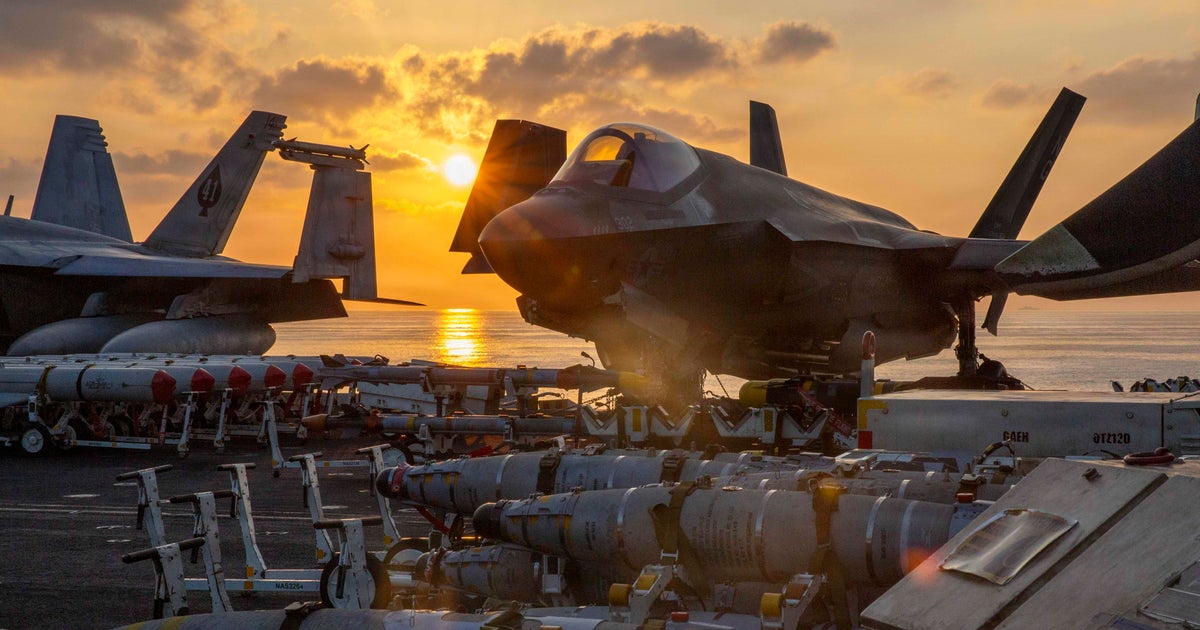
The Pentagon's inspector general released a congressionally mandated report on September 14, 2026, detailing the costs and impacts of Operation Epic Fury, the six-month conflict with Iran that ran from February 28 to June 30, 2026. The report estimated total war expenditures at $33.4 billion, with $22.3 billion spent on munitions alone, $3.7 billion in equipment losses, and $7.4 billion in other cumulative obligations. The munitions expenditure revealed strategic inventory shortfalls and exposed bottlenecks in the industrial base for resupply.
The conflict caused extensive damage to U.S. military and diplomatic infrastructure across the Middle East. Iranian strikes damaged or destroyed hundreds of buildings and structures at U.S. military bases in eight countries—Kuwait, Bahrain, Qatar, the United Arab Emirates, Saudi Arabia, Iraq, Oman, and Jordan. The report documented the destruction or damage of dozens of U.S. aircraft and drones, including four F-15E fighters destroyed, one F-35A damaged, seven KC-135 refueling tankers damaged, and up to 30 MQ-9 Reaper drones destroyed. U.S. diplomatic facilities in Iraq, Kuwait, Saudi Arabia, and the UAE sustained approximately $184 million in damage. Seven U.S. service members were killed in action and 417 wounded during the period covered; seven others died in non-hostile incidents.
The report noted that Iranian strikes significantly impacted U.S. military operations in the region. Iran targeted the U.S. Navy's main logistics hub in Bahrain with drones and ballistic missiles, forcing the military to shift personnel, assets, and storage facilities. Medical evacuation capabilities were relocated due to security concerns, requiring most medical evacuations to be conducted by ground transport to local facilities. The Navy's regional supply hub operations shifted to Diego Garcia in the Indian Ocean, extending resupply cycles to 14-18 days. More than 20,000 U.S. military and diplomatic personnel were relocated during the conflict's outset and subsequent weeks.
The State Department incurred additional costs related to the conflict, spending $79.2 million on contingencies including evacuation operations for State personnel, family members, U.S. citizens, and eligible third-country nationals. Between February 23 and June 30, up to 3,500 diplomatic personnel were out of the region as most U.S. posts implemented authorized or ordered departure protocols. The evacuation operation itself cost more than $11 million as of late June.
The Pentagon stated it was working to streamline procurement processes, reduce production lead times, and stockpile critical materials and munitions to address supply constraints. President Trump stated on September 14 that the U.S. is "producing more Exquisite and Elite Weapons than at any time in our History," and two weeks prior had asserted the nation possesses "virtually unlimited" amounts of ammunition. Defense Secretary Pete Hegseth and other Pentagon officials have denied reports of munitions shortfalls, though the inspector general's report directly addressed documented depletion of key munition stockpiles.
Why This Matters
The Pentagon's congressionally mandated report quantifies $33.4 billion in costs from Operation Epic Fury from February 28 to June 30, 2026, including $22.3 billion for munitions, $3.7 billion in equipment losses, and $7.4 billion in other obligations. The report documents depletion of key munition stockpiles and industrial base bottlenecks for resupply, affecting future U.S. military readiness. Iranian strikes damaged or destroyed hundreds of structures at U.S. bases in eight countries, destroyed or damaged dozens of aircraft and drones, caused $184 million in damage to U.S. diplomatic facilities, and prompted relocation of over 20,000 personnel and shift of Navy supply hub operations to Diego Garcia, extending resupply cycles to 14-18 days. Seven U.S. service members were killed and 417 wounded in hostile actions. The State Department spent $79.2 million on contingencies including evacuations. Defense Secretary Pete Hegseth and other officials have denied munitions shortfalls, while President Trump stated the U.S. is producing weapons at record levels; the inspector general's report directly addresses documented depletion.
Timeline & Sources
Feb 23, 2026
WireAuthorized or ordered departure of diplomatic personnel begins from Middle East posts
Feb 28, 2026
WireOperation Epic Fury begins; Iran war starts
Sep 14, 2026
WirePentagon inspector general releases first congressionally mandated report on Iran war costs, damage, and strategic shortfalls
Sep 14, 2026
WirePentagon inspector general releases mandatory report on Iran war; Trump posts on Truth Social about weapons production
Related Signals
- GeoRelated Topic
US Sanctions VTB Bank for Facilitating Iran Financial Evasion
Updated 6h ago
- GeoRelated Company
Houthis Launch Dozens of Missiles, Drones at Saudi Air Base; 13 Civilians Injured
Updated 6h ago
- GeoMarket Impact
US confirms orbital weapons deployment for first time
Updated 3h ago
- GeoMarket Impact
NATO Shoots Down Drone Over Lithuania for First Time
Updated 2h ago
- GeoMarket Impact
10-Year Treasury Yield Hits 5%, Highest Since 2007
Updated 2h ago
- GeoRelated Topic
Oil prices spike above $106 as Saudi pipeline remains offline after attacks
Updated 3h ago
- GeoGeographic Impact
Russian frigate fires flares at Danish military helicopter in international waters
Updated 3h ago
Sources
- Pentagon watchdog says Iran war has led to munitions shortfallNBC NewsMediaSep 14, 2026
- Live - US rejects Iran's claim tanker hit mine, says Tehran struck vessel twiceIran InternationalMediaSep 15, 2026
- 美国对伊朗战争耗资334亿美元 美军弹药库存告急zaobaoMediaSep 15, 2026
- Missile shortages, damage to US facilities: Pentagon watchdog issues first review of Iran warCNNMediaSep 14, 2026
- U.S. watchdog reports weapons shortfalls, damage from Iran warxinhuaMediaSep 15, 2026
- Pentagon inspector general says $22.3B spent on Iran war munitions has caused "strategic inventory shortfalls"CBS NewsMediaSep 15, 2026