
Oct 7·Science
Follow-up 2h ago Major4
100%
Draconid meteor shower peaks October 8 with evening viewing window
The Draconid meteor shower peaks on October 8, 2026, in the early evening around 9 p.m. EDT, offering an unusually convenient viewing window compared to most meteor showers. A new moon and generally clear skies across much of North America and Europe will provide optimal conditions, with viewers expected to see 5-10 meteors per hour, though past outbursts suggest surprises are possible.
Quick Facts
- Draconid meteor shower peaks
- Earth passes through debris trail from comet 21P/Giacobini-Zinner
- main maximum occurs at 9 p.m. EDT
- new moon provides dark skies
- meteors visible with naked eye
Related Insights
Live : Draconid Meteor Shower 2026 Secrets of Space · YouTube
Live : Draconid Meteor Shower 2026 SkiesLIVE · YouTube
Draconid Meteor Shower 2026: 8 October को आसमान में क्या होगा? The Natural Explainer · YouTube
Draconid Meteor Shower TONIGHT! Oct 8-9 Peak Warning ☄️📝 Aetheyn · YouTube
DRACONID Peak Window Opens Tonight.. Look North Before Midnight Your Cosmic Moment · YouTube
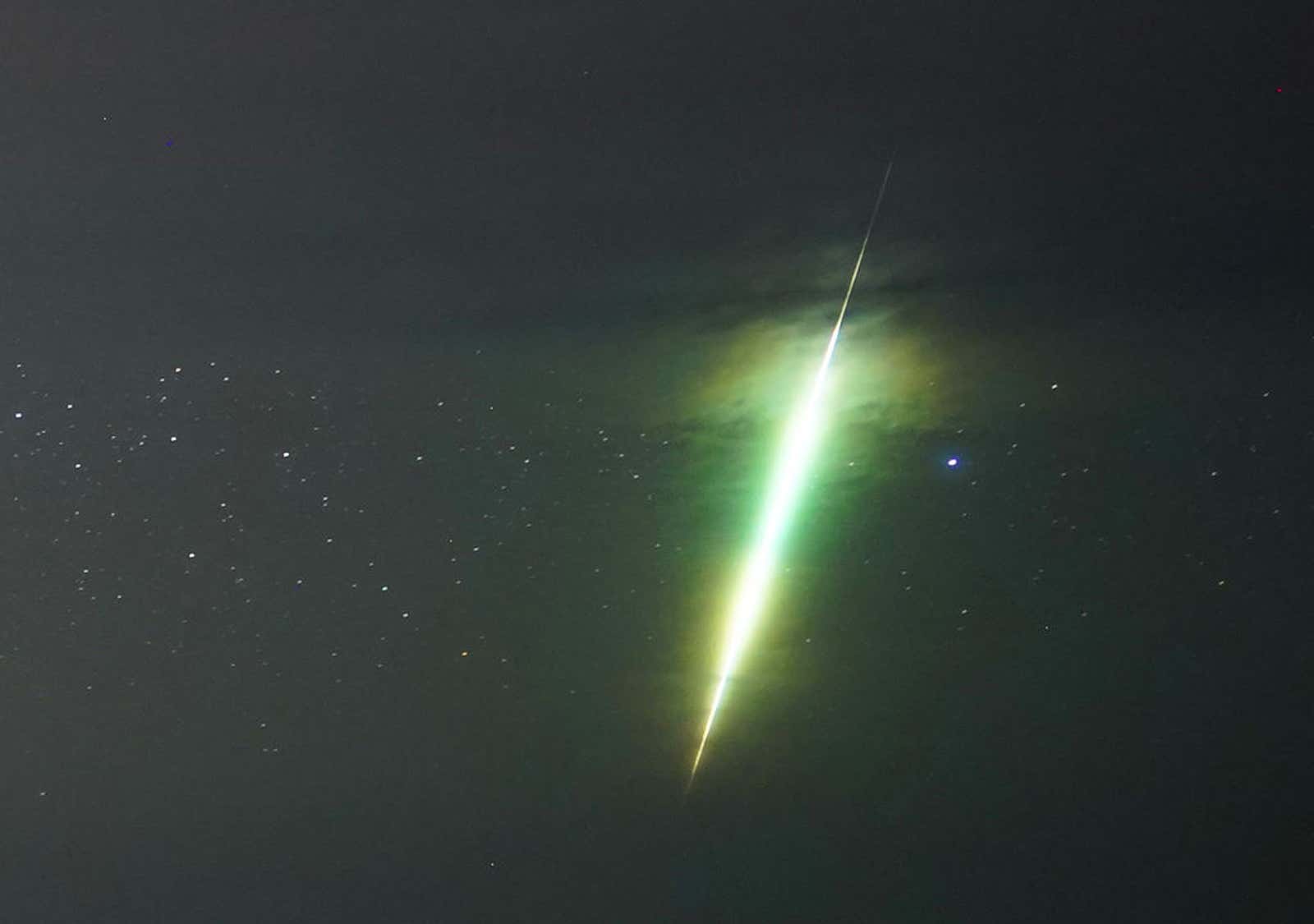

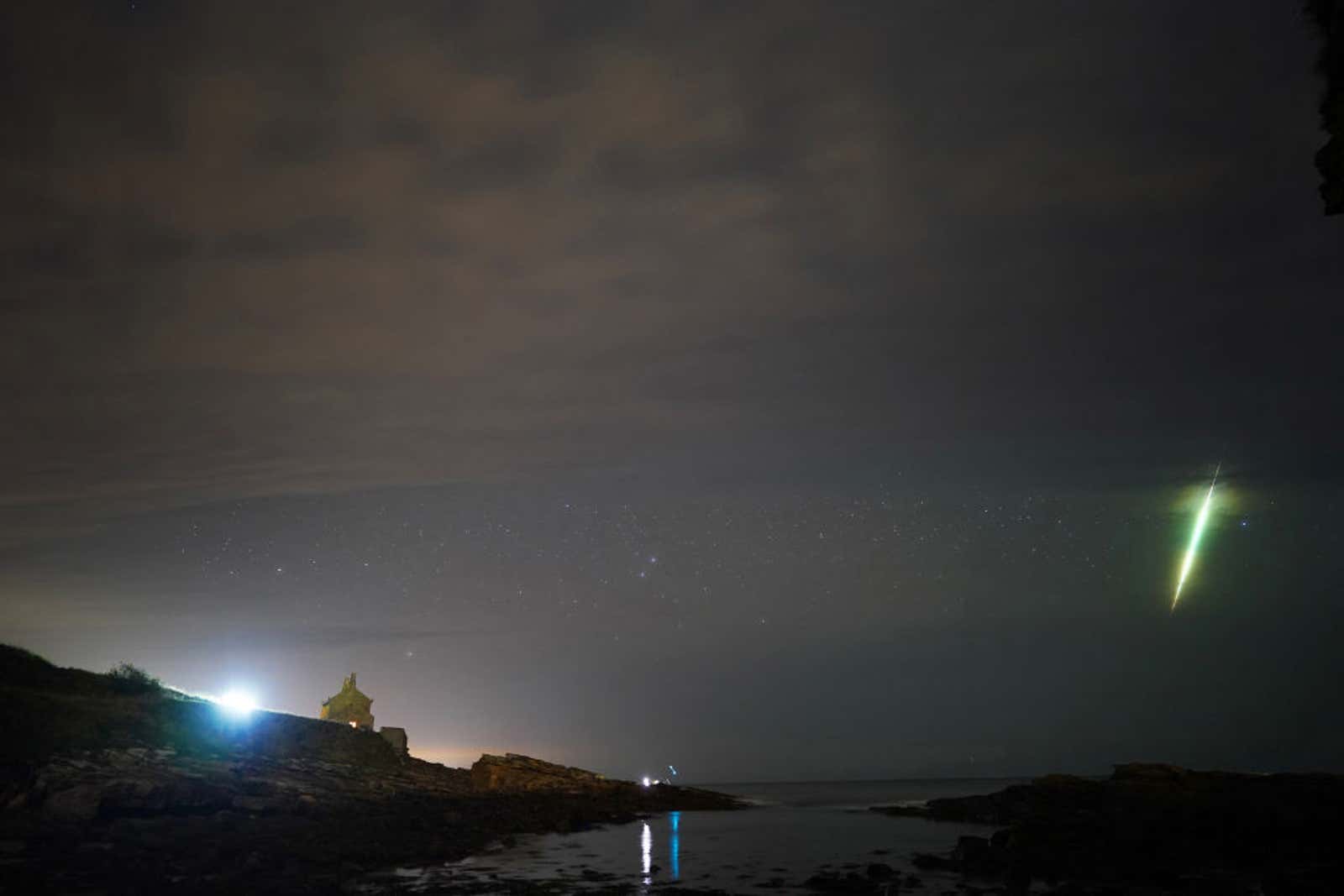
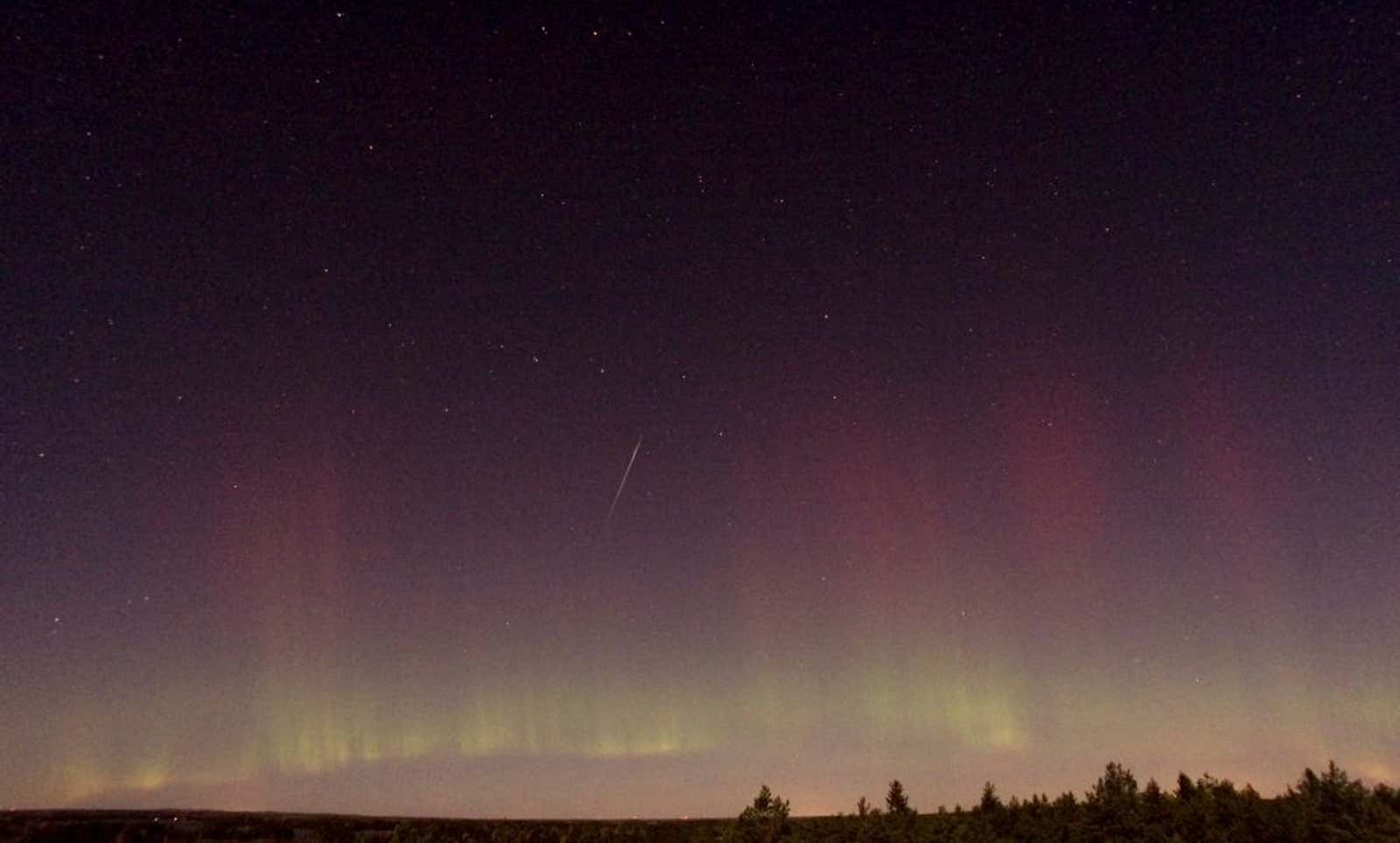
The Draconid meteor shower is set to peak on the evening of October 8, 2026, with the main maximum occurring around 9 p.m. EDT (2 a.m. BST on October 9). Unlike most meteor showers, which peak in the early morning hours, the Draconids are best viewed in the evening shortly after dusk, making them more accessible for casual observers. This timing occurs because the shower's radiant point near the constellation Draco the Dragon sits high in the sky during evening hours for Northern Hemisphere viewers, rather than climbing after midnight as with other showers.
The Draconid meteor shower is created by Earth passing through a debris trail left by comet 21P/Giacobini-Zinner, with particles as small as grains of sand producing the visible streaks. The meteors are notably slow-moving compared to other showers, traveling at approximately 40,000 mph, which gives viewers a better opportunity to track individual meteors across the sky before they fade. The shower typically produces 5 to 10 meteors per hour under dark skies, though it has a history of unexpected outbursts, most notably in 2011 and 2018, when hundreds or even thousands of meteors were observed per hour.
Viewing conditions are favorable for 2026. A new moon on Saturday will provide moonless skies, enhancing visibility of even faint meteors. According to weather forecasts, most of North America and Europe will have clear viewing opportunities, though southeastern U.S., mid-Atlantic, and parts of the Northern Tier may experience cloud cover. In the UK, northern areas are expected to have better conditions than southern regions. Viewers in the Southern Hemisphere may catch a few meteors near the horizon shortly after dusk.
No special equipment is required; astronomers recommend sitting in a reclining chair or lying on your back with a wide view of the sky, away from artificial light sources. Viewers should allow their eyes approximately 20 minutes to adjust to darkness. While no major outburst is forecast for 2026, NASA notes that the Draconids are an "occasional" shower with inherent unpredictability. The comet 21P/Giacobini-Zinner completed an orbit bringing it relatively close to Earth in March 2025 and remains comparatively close in 2026, leaving open the possibility of an unexpected surge in meteor activity.
Why This Matters
The Draconid meteor shower peaks on October 8, 2026, with an unusually early evening maximum (9 p.m. EDT) accessible to casual observers without special equipment. A new moon and clear skies across much of North America and Europe will enable naked-eye viewing of 5–10 meteors per hour under typical conditions. The shower's radiant near Draco constellation remains well-positioned during evening hours, unlike most meteor showers visible only after midnight. Comet 21P/Giacobini-Zinner's relatively close approach in 2025–2026 creates potential for unexpected outbursts, as occurred in 2011 and 2018.
Timeline & Sources
Oct 6, 2026
WireDraconid meteor shower becomes active
Oct 8, 2026
WireMain maximum peak of Draconid meteor shower (9 p.m. EDT / 2 a.m. BST Oct 9)
Oct 10, 2026
WireNew moon provides dark skies for viewing
Oct 21, 2026
WireOrionid meteor shower peaks
Related Signals
Sources
- Draconid meteor shower 2026: peak time and viewing guideThe Weather ChannelMediaOct 7, 2026
- How to see the meteor shower that won’t keep you up all nightCNNMediaOct 8, 2026
- Draconids meteor shower to peak tonight: The best time watch in the UK and USThe IndependentMediaOct 8, 2026
- Draconid meteor shower 2026: Where and when to watchEuronews.comMediaOct 8, 2026