
Science
Published Jun 15, 2026Updated Jun 231
60%
Chinese Zhuque-2E Rocket Breaks Apart in Orbit, Creating Debris Field Near Starlink Constellation
A Chinese Zhuque-2E rocket's upper stage broke apart in orbit on June 9, 2026, generating an estimated 100 to 150 debris fragments in a heavily trafficked region containing the International Space Station and SpaceX's Starlink constellation. The US Space Force confirmed the breakup and stated there are currently no threats to human spaceflight.
Quick Facts
- Rocket upper stage broke apart in orbit
- Debris scattered across low-Earth orbit
- Upper stage performed disposal burn
- Two direct-to-cell communication satellites delivered to orbit
- US Space Force

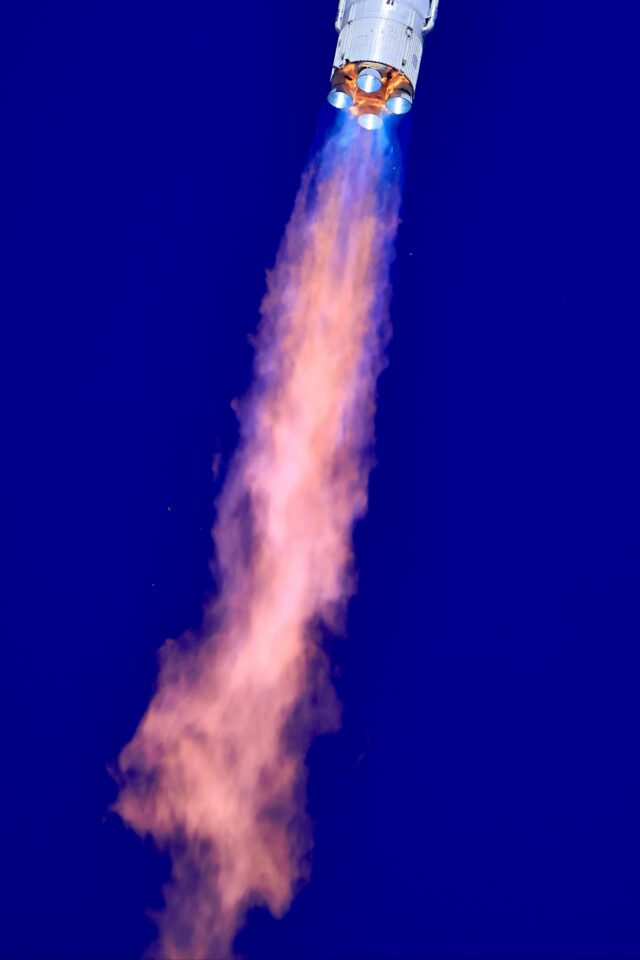
The upper stage of a commercial Chinese Zhuque-2E rocket broke apart in low-Earth orbit following its launch on June 9, 2026, scattering debris across a critical orbital region shared with the International Space Station and a significant portion of SpaceX's Starlink broadband network. The breakup likely occurred around the time the upper stage was performing a planned disposal burn after successfully delivering two direct-to-cell communication satellites to orbit. The US Space Force confirmed the fragmentation event through a post on space-track.org, the military's public orbital data distribution platform.
According to Darren McKnight, a senior technical fellow at orbital intelligence company LeoLabs, the breakup generated an estimated 100 to 150 pieces of debris. The Zhuque-2E's second stage, manufactured by Chinese company LandSpace, measures approximately 25 to 30 feet (8 meters) long and 11 feet (3.35 meters) in diameter. The debris now orbits at an altitude between 208 and 263 miles (335–424 kilometers) at an inclination of 54.5 degrees to the equator. As of the incident, the US Space Force had not yet catalogued any of the debris fragments in its official registry of human-made space objects.
The orbital debris presents competing hazards to nearby spacecraft. While the uppermost portion of the debris field crosses the International Space Station's orbital path, aerodynamic drag is expected to quickly degrade and lower the debris below ISS altitude, mitigating immediate threat to the station. However, the debris poses a greater risk to Starlink satellites, particularly the newer direct-to-device connectivity constellation and recently launched units that operate at lower altitudes than the main Starlink network. The Space Force stated that "tracked pieces are being incorporated into routine conjunction assessment to support spaceflight safety" and noted there are currently no threats to human spaceflight, though analysis remains ongoing.
Why This Matters
Orbital debris events pose a cumulative threat to space infrastructure that underpins global communications, navigation, and scientific research. The Zhuque-2E breakup adds material to the debris field in a heavily congested low-Earth orbit zone, increasing collision risk for active satellites and the ISS. This incident underscores the critical importance of responsible satellite deployment, end-of-life disposal protocols, and international coordination in space sustainability—particularly as commercial constellations like Starlink expand and more launches occur from multiple nations.
Timeline & Sources
Jun 9, 2026
WireZhuque-2E rocket launches with two direct-to-cell communication satellites
Jun 15, 2026
WireUS Space Force confirms breakup event; debris field estimated at 100–150 pieces