AI
Jun 18, 2026 Major2
93%
Vance Defends Iran Ceasefire Agreement, Criticizes Israel's Opposition
US Vice President JD Vance defends the Iran ceasefire MoU, criticizing Israel for opposing the deal. He frames the war as a victory for the US and urges Israel to support negotiations, while the agreement remains contentious over Iran's missile program and sanctions relief.


Quick Facts
Who
JD Vance
What
Defended Iran ceasefire MoU
When
Thursday, June 18, 2026
Where
United States
- Defended Iran ceasefire MoU
- Rebuked Israeli officials
- Signed MoU to end US-Israeli war with Iran
- Opened Strait of Hormuz
- Lifted naval blockade
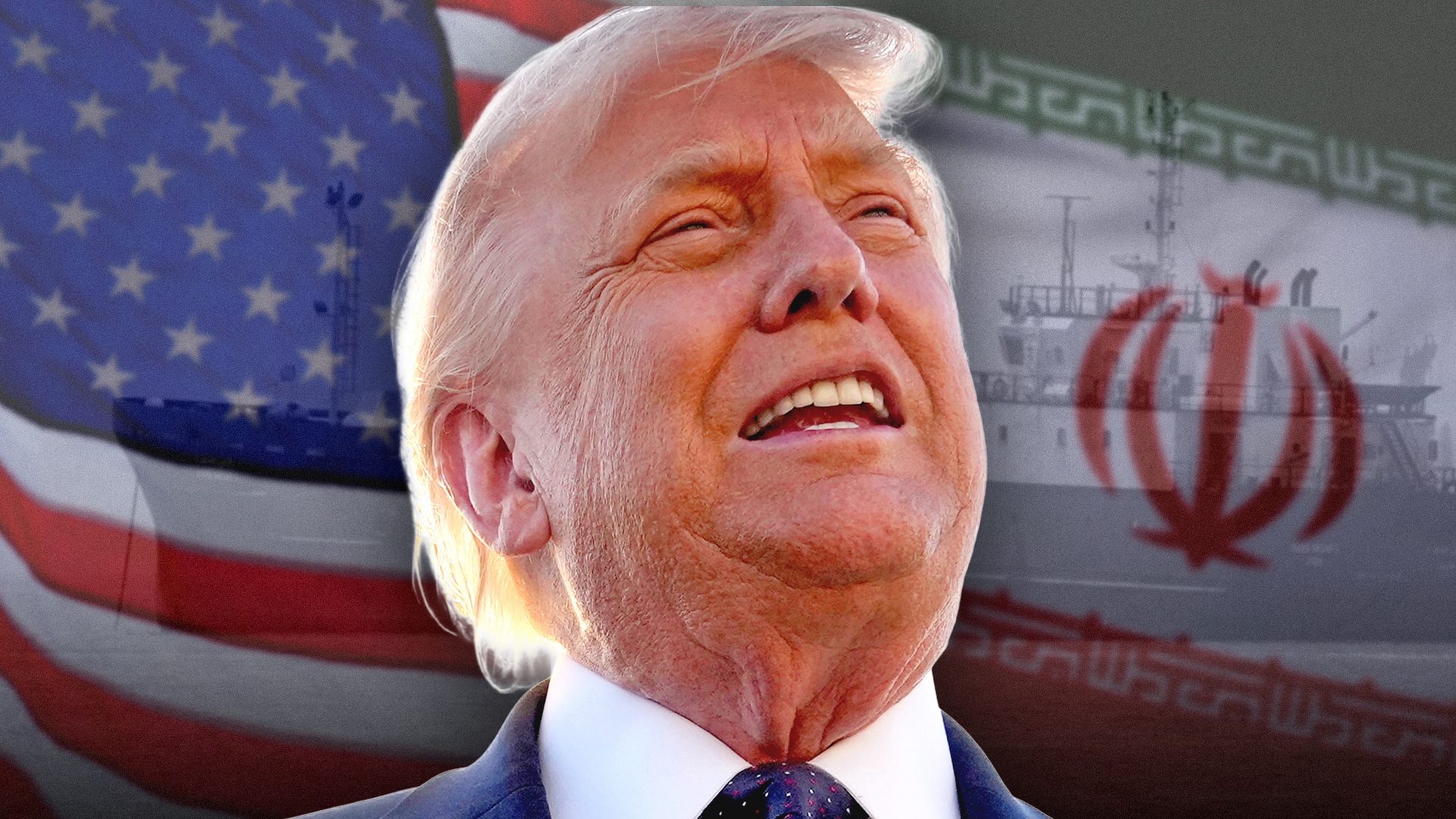
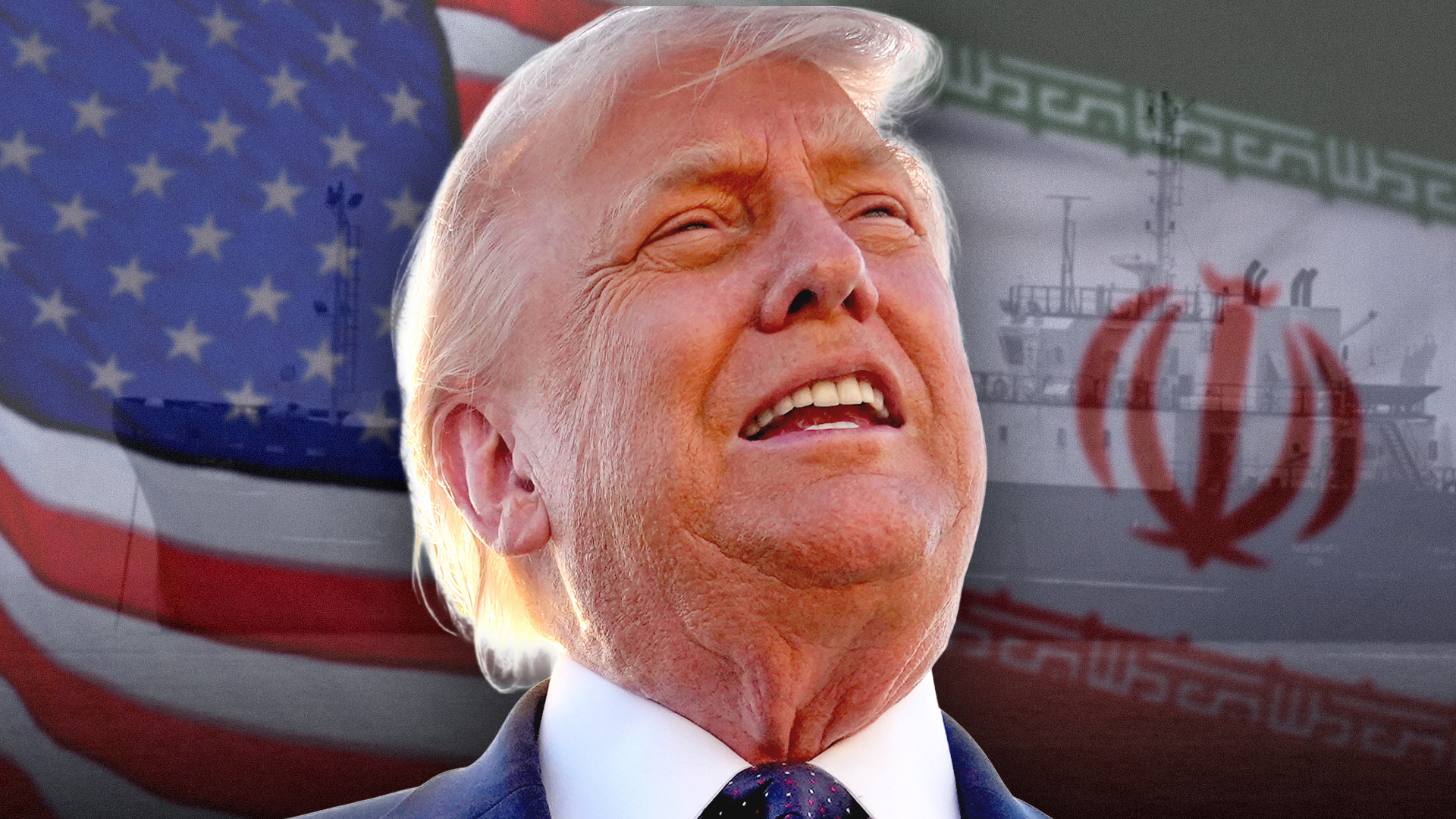
US Vice President JD Vance has mounted a vigorous defense of the newly signed memorandum of understanding (MoU) to end the US-Israeli war with Iran, directly rebuking Israeli officials who have criticized the deal. In an interview with The New York Times published on Thursday, Vance singled out far-right Israeli ministers Bezalel Smotrich and Itamar Ben-Gvir, questioning their alternative proposals. “You’re a country of nine million people. You can’t just kill your way out of solving every single national security problem that you have,” he said. He urged Israel to let negotiations proceed and to acknowledge the United States as an invaluable partner.
The MoU, signed by US President Donald Trump and Iranian President Pezeshkian, opens the Strait of Hormuz, lifts the US naval blockade of Iranian ports, and pledges to end fighting on all fronts, including in Lebanon. It includes immediate sanctions waivers on Iran’s fossil fuel industry and commitments to create a $300 billion reconstruction fund. However, critics, including members of both the Democratic and Republican parties, argue the deal appears to favor Tehran, noting that it yields few concessions not achievable through earlier diplomacy.
Vance, who was never in favor of the war, claimed victory regardless of the negotiation outcome, stating that the conflict has degraded Iran’s nuclear capacity, set back its conventional military, and weakened its economy. “If the Iranians don’t change their behaviour, their military and their nuclear programme is still destroyed. If they do change their behaviour, then they are going to have a transformative relationship with the Middle East,” he said. He also asserted that millions of barrels of oil have already passed through the Strait of Hormuz, a point critics counter by noting the strait was fully open before the war started.
The deal remains highly controversial. Israeli leaders have pushed Washington to continue the war, while Trump himself has criticized Israel’s rules of engagement, calling for restraint and noting that “too many people have been killed.” The agreement leaves key issues unresolved, including Iran’s ballistic missile program and the potential lifting of sanctions, raising concerns among critics who fear it may not ensure long-term security.
Why This Matters
This defense by Vance signals a potential shift in US policy toward prioritizing diplomacy with Iran over continued military escalation. For investors and regional analysts, the deal could unlock energy markets (Strait of Hormuz reopening) and stabilize oil prices, but unresolved sanctions and missile issues create uncertainty. Readers should track whether congressional opposition or Israeli pressure derails the agreement, as this will affect Middle East security and global energy supply.
Timeline & Sources
Jun 17, 2026
WireTrump and Iranian President Pezeshkian sign MoU to end war
Jun 18, 2026
WireVance defends Iran ceasefire deal in afternoon news conference
Jun 18, 2026
WireVance interview with The New York Times published
Jun 20, 2026
WireNegotiations could begin as soon as this weekend