Emerging
Jun 22, 2026 Major2
82%
Polymarket Paid Influencers to Stage Fake Winning Bets, WSJ Investigation Reveals
A Wall Street Journal investigation found that Polymarket paid at least ten social media influencers to create deceptive videos featuring fake winning bets on cloned websites, targeting US residents despite the platform being banned in the country since 2022. The campaign ran from December 2025 to mid-May, with creators receiving $2,000 to $3,000 per month and instructed to hide their compensation. The investigation reviewed 1,105 videos, of which about 70 percent featured bets—none of which were real—and highlighted the use of dummy domains and outdated footage.


Quick Facts
Who
Polymarket
What
paid social media influencers to film fake winning bets
When
December 2025
Where
United States
- paid social media influencers to film fake winning bets
- built near-perfect copies of its website for simulated trades
- targeted US residents despite US ban
- reviewed 1,105 videos from ten creators
- found 70% of videos featured bets, none real
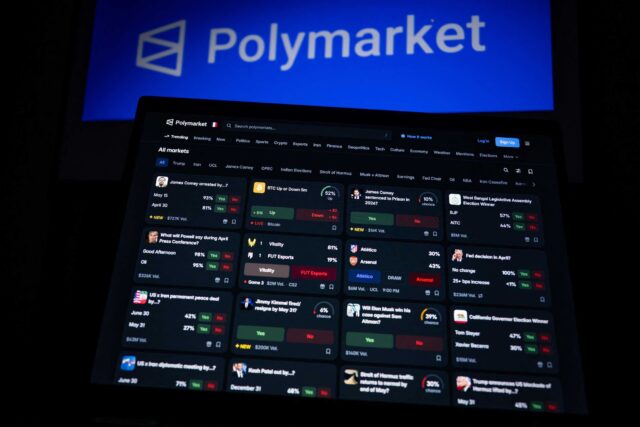
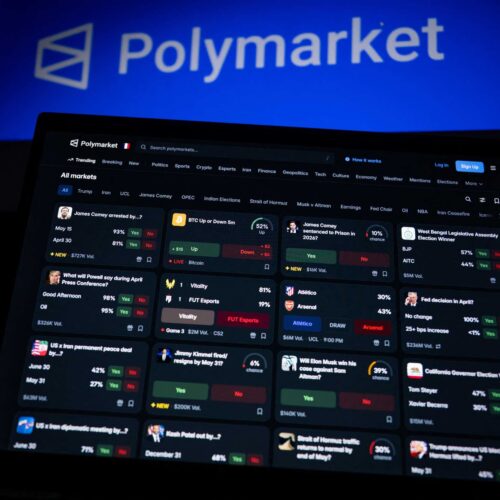
A Wall Street Journal investigation has revealed that Polymarket, a cryptocurrency-based prediction market platform, paid at least ten social media influencers to post videos depicting fake winning bets in an attempt to attract US users. The scheme, which ran from December 2025 through mid-May, involved constructing near-perfect clones of Polymarket's website where creators simulated trades while concealing their financial compensation. According to the Journal, creators were paid between $2,000 and $3,000 per month and instructed not to disclose the arrangement. The platform targeted US residents by requiring that at least 60 percent of a creator’s audience be located in the country, despite Polymarket’s main website being barred from US users since 2022 following a Commodity Futures Trading Commission (CFTC) order that the exchange was illegally unregistered.
One prominent example featured influencer George Makihara, a college student, who posted a viral video in January showing himself winning $100,000 on a wager that President Donald Trump would say the word “McDonald’s” that month. However, trade data confirmed that no such bet was ever won on the real platform in January, and Trump had not uttered the word on television during that period. Makihara had filmed the video on a dummy site months earlier, using footage of Trump from late 2025. The Journal reviewed 1,105 videos from ten creators posted between December 2025 and mid-May, finding that about 70 percent featured a bet, and none of those were real. Across 118 videos, creators claimed nearly $900,000 in fabricated winnings on positions that would have actually lost more than $166,000 in live markets.
Polymarket provided creators with bullet-point guidance on what to say, according to the Journal, and many videos followed an identical template: opening the platform, placing a bet, and describing winnings as “free money.” Red flags included the use of outdated footage, fake URLs—such as “poiymarket.com,” a lookalike domain—and clips that appeared to show internal test environments used by Polymarket engineers. Some videos disappeared after the Journal began investigating. Polymarket has acknowledged to Politico that it pays influencers to mention the company, but many posts did not clearly disclose that they were sponsored.
The revelation adds to a series of controversies surrounding Polymarket. A separate August 2025 study estimated that nearly $40 million in profits were extracted through arbitrage on the platform, while a Columbia University study found that roughly 25 percent of Polymarket’s historical trading volume through October 2025 was likely wash trading. A prior WSJ analysis had also shown that 67 percent of profits on Polymarket went to just 0.1 percent of accounts. The platform’s main website remains accessible in the US only in view-only mode, but users can bypass the block using virtual private networks (VPNs).
Why This Matters
This scandal reveals a deliberate deception campaign by a major crypto platform, directly misleading potential US users who are legally barred from the platform. If you rely on Polymarket for market signals or are considering using prediction markets, be aware that the platform's promotional content may be entirely fabricated; this undermines trust in the integrity of the entire prediction market ecosystem.
Timeline & Sources
Jan 1, 2022
WireCFTC determines Polymarket is an illegally unregistered exchange; Polymarket restricts US access to view-only.
Jun 22, 2026
WireWall Street Journal publishes investigation exposing fake bet scheme
Jun 22, 2026
WireWall Street Journal publishes investigation revealing the scheme.