Emerging
Jun 23, 2026 Major3
83%
UK Faces Seventh Prime Minister in a Decade as Brexit Legacy Deepens Political Turmoil
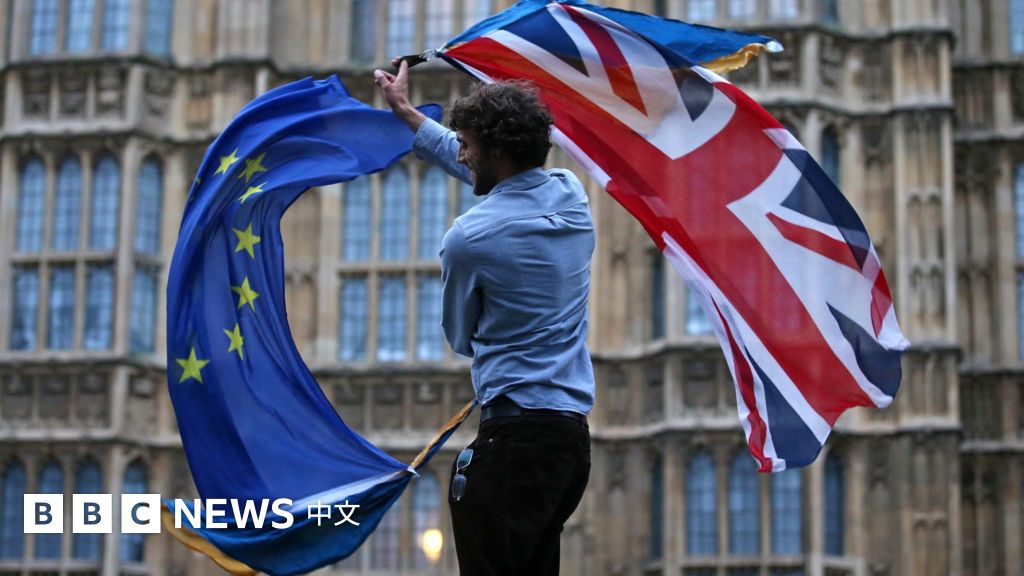
Ten years after the Brexit vote, the UK faces its seventh prime minister in a decade after Keir Starmer resigned. The country remains deeply divided over leaving the EU, with economic stagnation and political instability persisting. The EU is open to closer ties but will not offer special treatment, while internal divisions in both the UK and Europe complicate the path forward.


Quick Facts
Who
Sir Keir Starmer
What
resignation of prime minister
When
June 23, 2026
Where
United Kingdom
- resignation of prime minister
- Brexit vote anniversary
- political and economic instability
- possibility of renegotiation with EU
- calls for closer ties with EU
Ten years after the United Kingdom voted to leave the European Union, the country is once again in political flux. Sir Keir Starmer resigned as prime minister on June 22, 2026, making him the seventh UK leader in a decade to leave office amid economic stagnation, deep political divisions, and the unresolved questions of the Brexit decision. Starmer’s Labour government had sought to rebuild ties with the EU, but his departure signals that the UK remains trapped in a cycle of political instability and economic fragility.
The political churn has been relentless. In the decade since the 2016 referendum, the UK has seen six prime ministers fall before Starmer, with governments spanning from Conservative to Labour unable to provide long-term stability. The country’s economic struggles, including the aftermath of the 2008 financial crisis and high inflation driven by the wars in Ukraine and the Middle East, have strained public finances and led to underinvestment in public services, such as hospitals, schools, and roads. Real average wages have not grown since 2008, and studies have linked austerity policies to a loss of life expectancy.
The Brexit debate remains deeply divisive. In pro-Leave communities like Boston, Lincolnshire, where 75.6% voted to leave, residents still defend the decision as a restoration of national sovereignty, despite unfulfilled promises of economic benefits. In contrast, pro-European groups see signs of changing sentiment. A recent survey by the European Council on Foreign Relations found that three-quarters of Britons want closer ties with the EU, and 65% believe Brexit has hurt the economy. In Spalding, a strongly Leave-voting area, a local campaign in April showed 57% of participants supporting rejoining the EU.
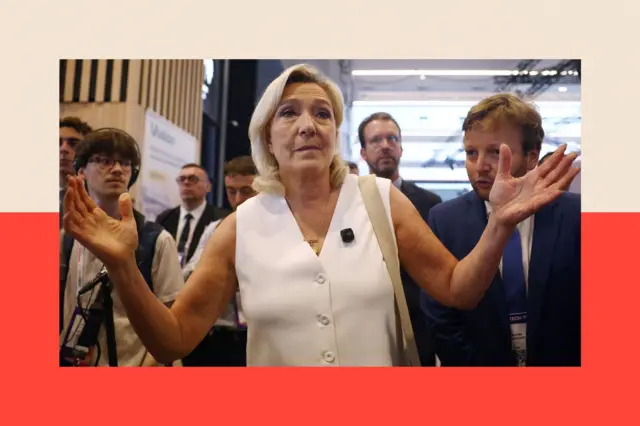
The EU has expressed openness to closer cooperation with the UK, but key figures such as Michel Barnier, the bloc’s former chief Brexit negotiator, have made clear that the EU will not grant Britain “special treatment” or undermine its single market. Barnier warned against allowing internal EU divisions, particularly from rising eurosceptic parties in France, Germany, and elsewhere, to weaken the bloc. Meanwhile, the EU is also facing a shifting geopolitical landscape, with an unpredictable United States under Donald Trump, the ongoing war in Ukraine, and the rise of China influencing strategic calculations.
Andy Burnham, the mayor of Manchester who won a special election last week and is widely seen as the frontrunner to become prime minister, now faces the daunting task of uniting a fractured country. He is expected to balance a pro-business agenda inherited from his tenure in Manchester, which has become the UK’s fastest-growing economic region, with efforts to address the deep-rooted economic and social divides exposed by Brexit. Experts say the new leader must navigate not only the structural forces of an aging society, slow global growth, and the influence of social media but also the long shadow of the Brexit vote itself.
Why This Matters
The resignation of yet another UK prime minister signals that political instability is not a temporary setback but a structural feature of post-Brexit Britain. For investors, businesses, and policymakers watching the UK, this means persistent uncertainty around trade relations, fiscal policy, and regulatory alignment with the EU. The upcoming leadership race and potential renegotiation of ties with the EU will directly affect market access, supply chain costs, and the UK's attractiveness as a business destination. Understanding the deep public sentiment and internal EU dynamics is critical for anyone with exposure to the UK economy or European political risk.
Timeline & Sources
Jun 23, 2016
WireUK votes to leave the European Union; Prime Minister David Cameron resigns.
Jun 22, 2026
WirePrime Minister Keir Starmer resigns, becoming the seventh UK PM in a decade.
Jun 23, 2026
WireTen-year anniversary of the Brexit vote; UK faces new political transition.
Jan 1, 2027
WireUpcoming French presidential election, with potential for National Rally victory; 'super election year' in Europe.
Entities
- Brussels
- Nigel Farage
- Spalding, England
- Marine Le Pen
- Jordan Bardella
- Keir Starmer
- Birmingham
- European Union
- David Bailey
- Labour Party
- Michel Barnier
- Andy Burnham
- Sleaford, England
- National Rally (France)
- Fabrice Leggeri
- Manchester
- Boston, England
- European Council on Foreign Relations
- United Kingdom
- Carole Hagan
- Reform UK