AI
Jun 18, 20261
69%
Ukraine Drone Strikes on Refineries Trigger Worsening Fuel Crisis in Russia
A wave of Ukrainian drone attacks on Russian oil refineries, including strikes near Moscow and in Nizhnekamsk, has caused fuel shortages in 53 regions. Russia is now seeking gasoline imports from Asia, Belarus, and Kazakhstan, but analysts warn these sources cannot fully compensate for the losses, marking the most severe fuel crisis of the war.

Quick Facts
Who
Russia
What
Ukraine drone strikes on Russian oil refineries
When
June 12, 2026
Where
Russia
- Ukraine drone strikes on Russian oil refineries
- Fuel shortages reported in 53 Russian regions
- Tatneft imposed then lifted fuel rationing
- Russia plans to import gasoline from Asia, Belarus, and Kazakhstan
- Drone attacks on Kapotnya refinery near Moscow
A surge in Ukrainian drone strikes on Russian oil refineries is pushing Russia toward a severe fuel crisis, with gasoline shortages now reported in 53 regions. The intensified campaign, which has systematically targeted major refining facilities, has forced Moscow to consider importing fuel from abroad for the first time since the war began.
According to an analysis by The Bell, the shortages have hit over half of Russia's regions. Following a drone attack on the Tatneft refinery in Nizhnekamsk on June 12, the company imposed fuel rationing, limiting customers to 20 liters of gasoline and 40 liters of diesel. Although these restrictions were lifted on June 17, the underlying supply issues remain acute.
Reuters reports that Russia is planning to buy gasoline from an unnamed Asian country, with shipments expected to arrive at a western Russian port. Last year, Moscow explored similar maritime fuel imports but determined domestic supplies sufficient. Russia has also imported fuel from Belarus and Kazakhstan, but sources say these countries lack the reserves to cover a deeper deficit. Independent energy analyst Andrey Makhovsky noted that Belarusian gasoline production accounts for less than 10% of Russia's consumption, and the gap is even wider for diesel, where Russian consumption is 15 times Belarus's entire output.
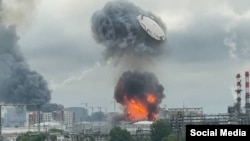
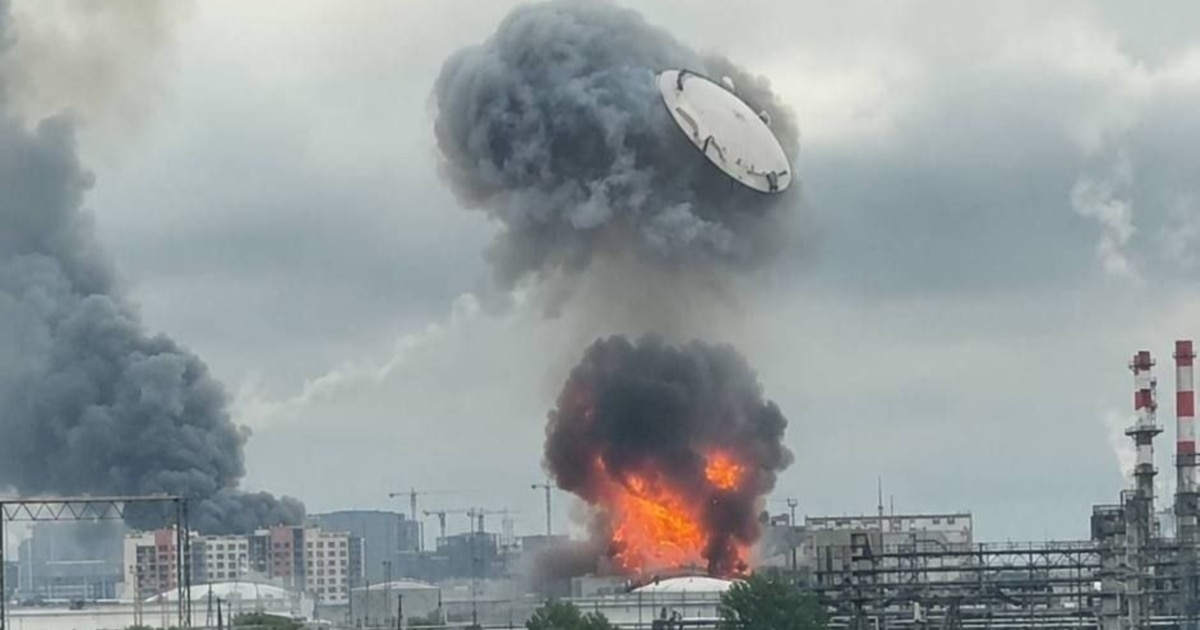
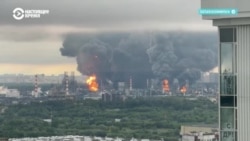
Moscow has not yet experienced shortages, but the threat is escalating. Drone strikes hit a refinery in the Moscow suburb of Kapotnya on the night of June 18, following an earlier attack on June 16 that damaged a key processing unit responsible for 53% of the plant's capacity. The Kapotnya refinery supplies about 40% of the Moscow region's refined products, and its repeated shutdowns are raising fears of disruptions in the capital. Makhovsky described the situation as potentially "the toughest fuel crisis of the entire war," noting that Ukrainian forces struck 16 refineries in May, including eight of Russia's ten largest, setting a record for systemic attacks.
Former SBU official Ivan Stupak suggested Ukrainian drones have found vulnerabilities in Moscow's air defense systems, allowing them to penetrate even heightened defenses around the capital. He estimated the average effectiveness of Ukrainian drones at 10-15%, meaning a significant number still reach their targets despite Russian countermeasures. As drone strikes continue to degrade refining capacity, Russia faces growing challenges in maintaining stable fuel supplies.
Why This Matters
This crisis could reshape global energy markets as Russia, a major oil exporter, becomes a fuel importer. For investors, it signals potential upward pressure on gasoline and diesel prices worldwide. For policymakers, it highlights the vulnerability of critical infrastructure in conflict zones and the strategic impact of drone warfare on energy security.
Timeline & Sources
Jun 12, 2026
WireDrone attack on Tatneft refinery in Nizhnekamsk; Tatneft imposes fuel purchase limits.
Jun 16, 2026
WireDrone strike damages main processing unit at Kapotnya refinery near Moscow, halting operations.
Jun 17, 2026
WireTatneft lifts fuel rationing in Nizhnekamsk.
Jun 18, 2026
WireAnother drone attack on Kapotnya refinery; Russia reportedly plans gasoline imports from Asia.