
Oct 5·Geo
Follow-up 3h ago3
94%
USDA Final Rule Restricts Solar, Wind Projects on Cropland; Lawsuit Filed
The USDA finalized a rule restricting solar and wind projects on cropland under the Rural Energy for America Program, redirecting federal support away from renewable energy. Environmental groups and farm organizations sued the agency, alleging the changes were applied retroactively to projects already under construction and violated Congressional intent to support renewable energy development in rural areas.
Quick Facts
- USDA finalized a rule discouraging solar and wind projects on cropland
- Rule restricts ground-mounted solar on certified cropland
- Rule prohibits systems exceeding 50 kilowatts
- Rule bars use of solar components from designated foreign adversaries
- Rule requires projects to be fully built and operational for at least one year before funding applications


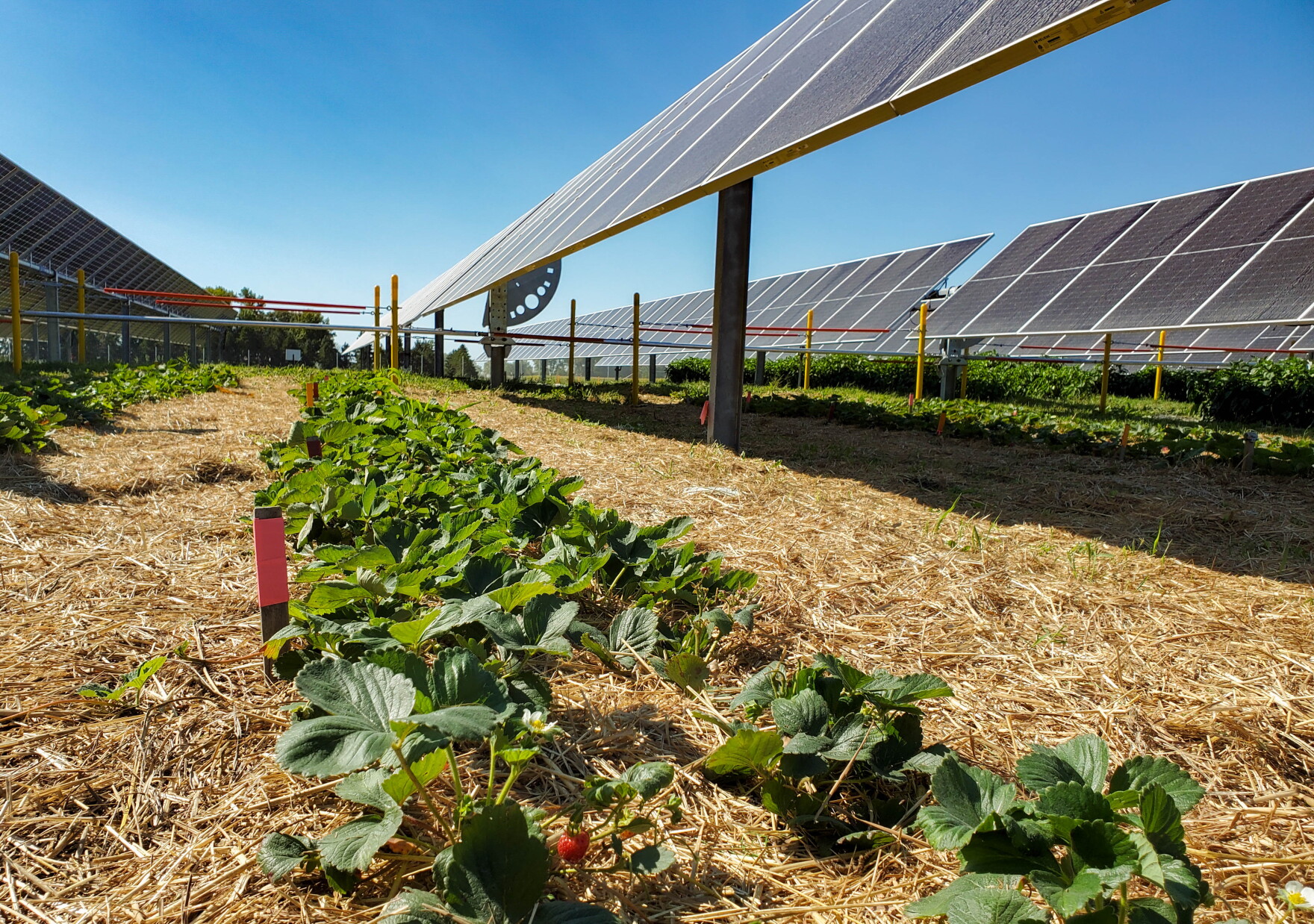

The U.S. Department of Agriculture issued a final rule that discourages solar and wind projects on cropland under the Rural Energy for America Program (REAP), marking a significant policy shift under the Trump administration. Agriculture Secretary Brooke Rollins announced the rule to redirect federal support away from renewable energy, stating that past applicants "have not fully delivered on their stated goals." The rule requires projects to be fully built, operational, and demonstrating performance for at least a year before applicants can submit funding requests, and prohibits ground-mounted solar systems on certified cropland, systems exceeding 50 kilowatts, and projects using solar components from "designated foreign adversaries," primarily China, which manufactures over 80% of global solar panels.
The policy change has triggered legal action from environmental groups and farm organizations. The Environmental Law and Policy Center and Earthjustice filed a lawsuit on behalf of the Iowa Farmers Union, Iowa Solar Energy Trade Association, RENEW Wisconsin, Solar United Neighbors, and other organizations, arguing the USDA has made "almost all solar projects ineligible" in violation of Congressional intent. The groups contend that REAP, established over two decades ago to support renewable energy development in rural areas, was fundamentally redirected without statutory authority. A critical allegation in the lawsuit is that the USDA applied rule changes retroactively to projects already selected for funding and under construction, leaving participants who followed existing rules at the time of application suddenly ineligible for promised grants and loans.
According to USDA data obtained by the Environmental Law and Policy Center, solar projects accounted for nearly 70% of REAP awards between 2011 and early 2025. Iowa emerged as one of the largest program beneficiaries, receiving $74.6 million in REAP grants between 2014 and 2025. Between 2012 and 2020, 43% of solar farms and 56% of wind turbines in rural areas were installed on land previously used for crops, though the USDA noted this represented less than 0.05% of total U.S. farmland. The administration cited a near 50% increase in solar panel installations on farmland as justification for the restrictions.
The rule was finalized on October 1, 2026, with a comment period, days after the lawsuit was filed. The USDA stated the changes are intended to protect productive farmland and prevent taxpayer subsidies from supporting foreign supply chains. Attorney Chad Hughes of the Environmental Law and Policy Center argued the retroactive application violated federal law, stating participants "followed the rules and built these systems, and then suddenly they're being told by USDA, 'Oh, sorry, just kidding.'" Aaron Lehman, president of the Iowa Farmers Union, called the USDA's actions "a total betrayal" to farmers who had benefited from the program. The lawsuit specifically requests that the court invalidate the new eligibility criteria and order the USDA to process applications under the rules in effect when they were originally submitted.
Why This Matters
The USDA rule change affects existing renewable energy projects under construction and redirects federal support away from solar installations on farmland, potentially leaving applicants who followed original program rules ineligible for promised grants. Iowa received $74.6 million in program awards between 2014–2025; approximately 43% of rural solar farms and 56% of wind turbines built on 2012–2020 were installed on previously cropped land. The retroactive application and eligibility restrictions create legal and policy uncertainty for rural renewable energy participants and suppliers dependent on domestic solar component demand.
Timeline & Sources
Jan 1, 2008
WireCongress created REAP through farm bill to promote renewable energy and efficiency in rural areas
Sources
- USDA turns the light off on solar for farms and rural businessesIowa Public RadioMediaOct 5, 2026
- Iowa Farmers Union, solar group sues USDA over changes to renewable energy funding programDaily Gate CityMediaOct 6, 2026
- USDA rule discourages solar and wind projects on croplandHerald-WhigMediaOct 6, 2026