
Yesterday·Emerging
Follow-up 3h ago Major5
100%
Colombia Opens Jerusalem Embassy, Withdraws from Hague Group
Colombia opened its embassy in Jerusalem on October 14, becoming the tenth country to do so, and announced its withdrawal from the Hague Group in a reversal of former President Gustavo Petro's pro-Palestinian stance. The move by new President Abelardo de la Espriella also restored Colombia's free trade agreement with Israel. Palestinian officials condemned the decision as a violation of international law.
Quick Facts
- Colombia opened embassy in Jerusalem
- Colombia withdrew from Hague Group
- Colombia restored free trade agreement with Israel
- Colombian Foreign Minister announced diplomatic reversal
- Inauguration ceremony held with Israeli officials


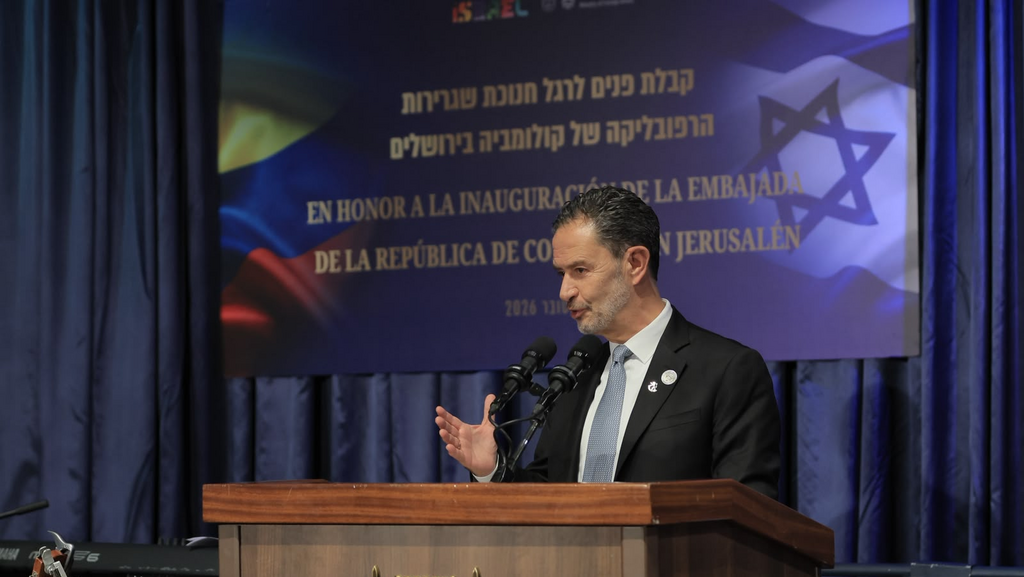
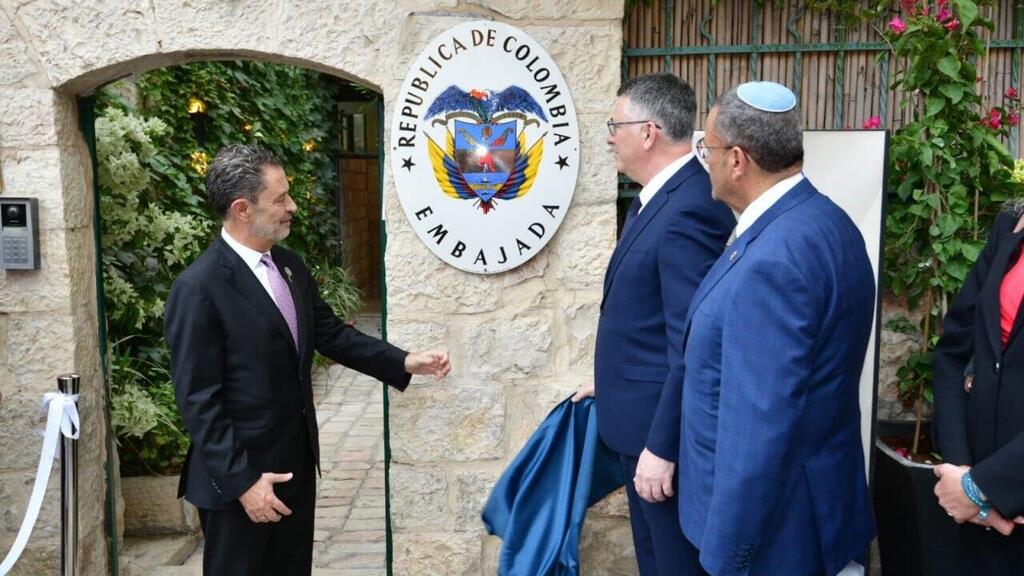
Colombia inaugurated its embassy in Jerusalem on October 14, 2026, becoming the tenth country to do so. The move represents a significant reversal of policy under new President Abelardo de la Espriella, who took office in August after his predecessor Gustavo Petro had severed diplomatic ties with Israel in 2024 over the war in Gaza. Colombian Foreign Minister Omar Bula Escobar announced the country's withdrawal from the Hague Group, a coalition of nations pursuing diplomatic, legal and economic measures against Israel, describing the restoration of relations as a "historic event" that should never have been broken.
The embassy opening ceremony was attended by Israeli Foreign Minister Gideon Saar, Prime Minister Benjamin Netanyahu, and Colombian Ambassador Tania Gilinski. Bula Escobar delivered an emotional speech at a reception following the inauguration, stating: "I'm almost in tears at this event marking the restoration of relations with Israel" and condemning the October 7 Hamas attack as "a barbaric attack carried out by despicable murderers." He also announced that Colombia and Israel had formally reinstated their free trade agreement on October 13, after Petro had terminated it in 2025 when Israel detained two Colombian nationals following the interception of a Gaza-bound flotilla.
The decision drew swift condemnation from Palestinian officials. The Palestinian Ministry of Foreign Affairs called the move "an infringement on the legitimate national rights of the Palestinian people" and urged Colombia to reverse the decision, asserting that measures aimed at changing Jerusalem's legal status are "null and void" under international law. Jordan's Ministry of Foreign Affairs also criticized the embassy opening as "a violation of international law and relevant international resolutions." The status of Jerusalem remains contested: Israel annexed East Jerusalem in 1967 and declared the entire city its "eternal and indivisible capital" in 1980; the Palestinian Authority views East Jerusalem as the capital of a future Palestinian state; and the UN Security Council declared Israel's 1980 annexation "null and void" in Resolution 478.
Colombia joins a small number of countries that have relocated embassies to Jerusalem since the United States moved its embassy there in 2018. Other countries with embassies in the city include Guatemala, Honduras, Paraguay, Fiji, Papua New Guinea, Nauru, and Kosovo and Somaliland (which are not UN member states). Most countries maintain their embassies in Tel Aviv, citing the need to resolve Jerusalem's status through Israeli-Palestinian negotiations before establishing formal diplomatic presence in the contested city.
Why This Matters
Colombia's embassy opening in Jerusalem and withdrawal from the Hague Group represent a reversal of diplomatic alignment that affects regional coalition dynamics and bilateral trade. The move restores a free trade agreement terminated in 2025 and signals a shift in Latin American positioning on the Israeli-Palestinian dispute. The decision follows a pattern: ten countries now maintain embassies in Jerusalem, while most nations keep representation in Tel Aviv pending resolution of the city's contested status. Palestinian and Jordanian officials have called the move a violation of international law, citing UN Security Council Resolution 478; this disagreement will likely influence Colombia's standing in multilateral forums and with Arab-aligned states.
Timeline & Sources
Jan 1, 1967
WireIsrael occupies and annexes East Jerusalem
Jan 1, 1980
WireIsrael declares all Jerusalem its "eternal and indivisible capital"; UN Security Council passes Resolution 478 declaring annexation "null and void"
Oct 13, 2026
WireColombia and Israel formally reinstate free trade agreement
Oct 14, 2026
WireColombia inaugurates embassy in Jerusalem; Foreign Minister announces withdrawal from Hague Group
Sources
- Colombia opens embassy in JerusalemxinhuaMediaOct 14, 2026
- Palestinian foreign ministry condemns Colombia's opening of embassy in JerusalemxinhuaMediaOct 14, 2026
- ‘I'm almost in tears’: Colombia quits Hague Group as Jerusalem embassy opensYnetnewsMediaOct 14, 2026
- Colombia inaugurates embassy to Israel in JerusalemAl JazeeraMediaOct 15, 2026
- Colombia becomes 10th country to open embassy in JerusalemThe Jerusalem PostMediaOct 14, 2026