
Emerging
Published Jun 23, 2026Updated Jun 23 Major4
81%
North Korea Vows to Expand Nuclear Forces, Labels South Korea as 'Most Hostile' at Key Party Meeting
North Korean leader Kim Jong Un has pledged to expand nuclear weapons capabilities and accelerate military projects, including building a missile cruiser and fortifying the southern border, at a major Workers' Party meeting. He reaffirmed South Korea as the most hostile nation and criticized U.S.-South Korean military cooperation, framing it as a threat to regional stability. The party also made leadership changes and set economic priorities, including revitalizing the coal industry.
Quick Facts
- expanded nuclear forces
- accelerated military projects
- labeled South Korea as most hostile nation
- criticized U.S.-South Korea nuclear cooperation
- appointed new party secretary
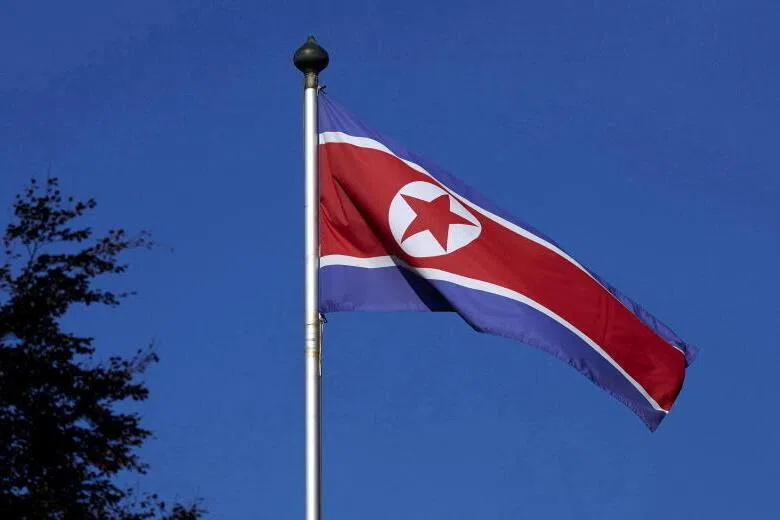

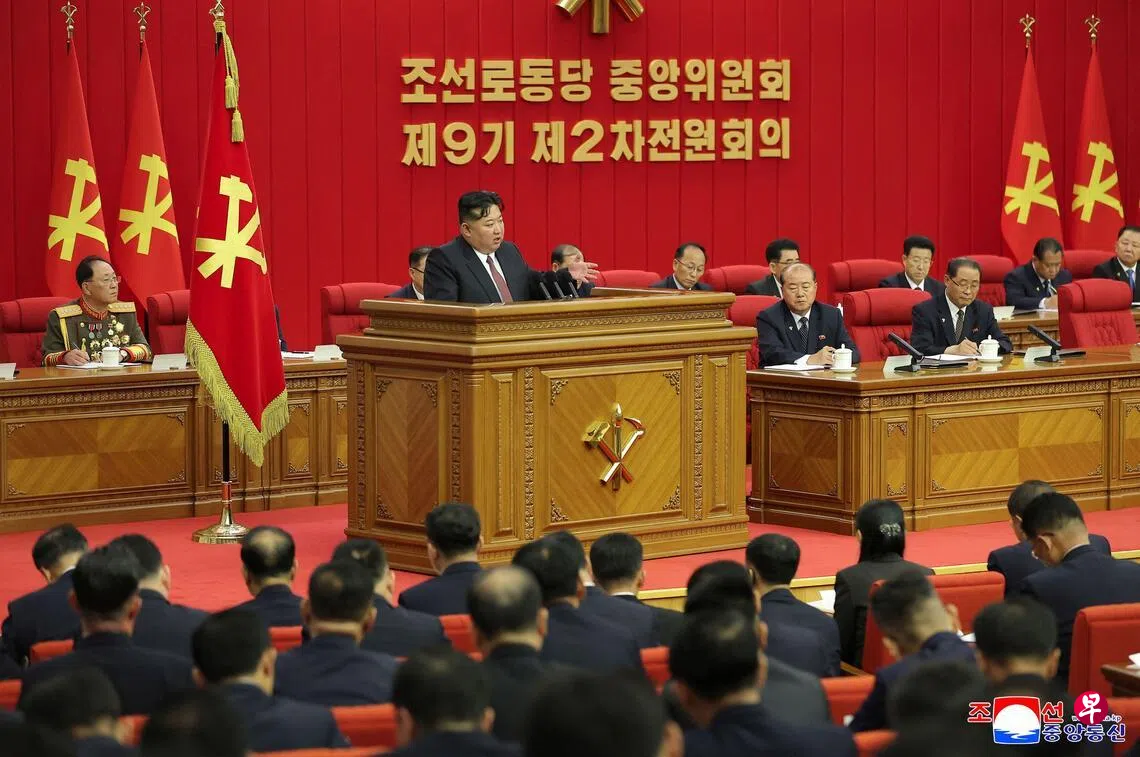


North Korean leader Kim Jong Un has pledged to continuously expand and strengthen the country's nuclear capabilities, declaring South Korea as the most hostile nation, during a key Workers' Party meeting held from June 20 to 22 in Pyongyang. The Second Plenary Meeting of the Ninth Central Committee of the Workers' Party of Korea (WPK) set the direction for short- and mid-term policy tasks, with a strong emphasis on national defense and military modernization. Kim stressed that nuclear force is the core of North Korea's military sovereignty and the central axis for deterring war and executing strategy, reiterating the necessity of maintaining the country's status as a nuclear-armed state.
During the meeting, Kim directly criticized South Korea's pursuit of nuclear-powered submarine capabilities and the U.S.-South Korea Nuclear Consultative Group (NCG), which he described as a 'nuclear war organization' that is pushing the Korean Peninsula to the brink of nuclear conflict. He accused the United States and South Korea of becoming increasingly undisguised in their moves to reinforce and modernize armed forces in the region, including supporting Seoul's nuclear submarine ambitions, which he said aggravates the situation on the peninsula.
In line with the party's strategic goals, Kim ordered the acceleration of several major military projects. These include the construction of a 10,000-ton strategic guided missile cruiser, a flagship project for North Korea's naval modernization, as well as enhancing the development and production of powerful conventional weapons. He also called for the qualitative completion of fortification work along the southern border and the construction of new naval fleet bases to bolster national defense capabilities.
The meeting also saw organizational adjustments within the party. Choe Ryong-hae, president of the Presidium of the Supreme People's Assembly, was appointed as director of the Central Committee's Organization and Guidance Department, while Kim Jae-ryong, a former member of the Presidium of the Political Bureau and party secretary, was removed from his post. On the economic front, the plenary identified the revitalization of the coal industry as a key priority and approved a project to modernize housing in coal mining areas across the country starting next year.
Analysts suggest that by highlighting South Korea's nuclear submarine program and U.S.-South Korean military cooperation, Pyongyang is seeking justification for its own nuclear expansion while preemptively blocking any future denuclearization negotiations in potential U.S.-North Korea dialogue. The move underscores North Korea's intention to solidify its status as a nuclear power and maintain a hardline stance against its southern neighbor.
Why This Matters
This announcement signals North Korea's firm commitment to advancing its nuclear and military capabilities, directly impacting regional security dynamics. For readers, it indicates heightened tensions on the Korean Peninsula and a potential setback for any future denuclearization talks. Businesses and analysts should monitor sanctions, supply chain disruptions, and geopolitical risks affecting Northeast Asian markets.
Timeline & Sources
Jun 20, 2026
WireSecond Plenary Meeting of the Ninth Central Committee of the WPK begins in Pyongyang.
Jun 21, 2026
WireKim Jong Un delivers key conclusions, highlighting nuclear expansion and hostile stance toward South Korea.
Jun 22, 2026
WireMeeting concludes; party leadership changes announced, including appointment of Choe Ryong-hae.
Jun 23, 2026
WireState media reports on meeting outcomes, detailing military and economic plans.