AI
Jun 19, 20261
69%
Nigeria's 2027 Presidential Election Faces Six Major Uncertainties
Nigeria faces six major uncertainties ahead of its January 2027 presidential election, including the ADC party's leadership crisis, deregistration of multiple parties by INEC, and ongoing court disputes over electoral procedures and authority. Key opposition candidate Atiku Abubakar and his running mate Rotimi Amaechi must navigate these legal and organizational challenges before the vote.

Quick Facts
Who
Atiku Abubakar
What
Nigeria's 2027 presidential election preparations complicated by six major uncertainties
When
January 2027 (scheduled election date)
Where
Nigeria
- Nigeria's 2027 presidential election preparations complicated by six major uncertainties
- ADC party faces leadership disputes and financial/legal compliance issues
- INEC deregistered ADC and four other parties for failing to meet organizational requirements
- Court ordered deregistration of David Mark as ADC interim chairman, later reversed by higher court
- INEC's authority to set election deadlines challenged in federal court
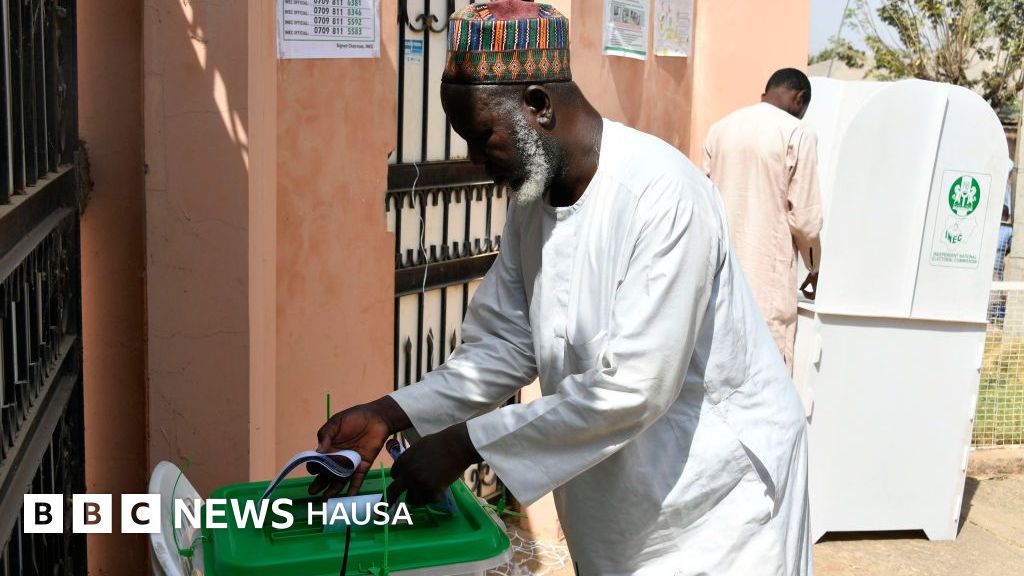
Nigeria's 2027 presidential election, scheduled to begin in January, is overshadowed by six significant areas of uncertainty that remain unresolved, according to reporting from BBC Hausa. Political parties, particularly major opposition groups, are navigating turbulent circumstances stemming from leadership disputes and court cases that have complicated electoral preparations.
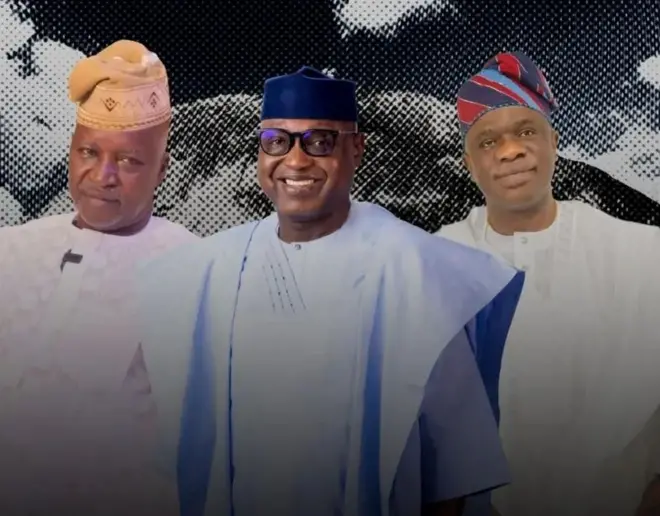
The All Progressives Congress (ADC) continues to struggle with internal discord regarding its financial standing under the law, having faced multiple court-ordered penalties that observers believe may affect its electoral viability. The party has nominated Atiku Abubakar as its presidential candidate, seen as the strongest opposition contender, with Rotimi Amaechi as running mate. However, the Independent National Electoral Commission (INEC) deregistered the ADC along with four other parties—Accord, APP, AA, and ZLP—citing failure to meet organizational requirements set by electoral law.
The ADC's leadership crisis originated in July 2025 when internal disputes led to the appointment of David Mark as interim party chairman, drawing major opposition figures including Atiku Abubakar and Peter Obi. Nafi'u Bala Gombe subsequently challenged this arrangement, asserting his claims based on his position as former deputy national chairman. Following court intervention, INEC temporarily removed David Mark's leadership, prompting accusations that the ruling government was using state institutions to suppress opposition. The government denied these allegations. A higher court later reversed INEC's action, directing the disputing parties to resolve their case in federal court.
A separate dispute involves INEC itself, with the electoral commission facing court challenges to a Federal High Court ruling in Abuja that nullified INEC's authority to set deadlines for party member registration and candidate submission timelines. INEC had initially mandated that all parties submit membership registers by May 10, 2026, and complete primary elections by May 30, 2026. These unresolved legal matters create uncertainty about the electoral process and timeline, with analysts warning that such disputes must be settled before the January 2027 election to prevent further disruption to the nation's electoral system.
The electoral commission and political parties remain under pressure to resolve these constitutional and procedural questions, as the election date approaches. Multiple court cases addressing leadership legitimacy, party registration validity, and INEC's regulatory authority could significantly alter the electoral landscape if left unresolved.
Why This Matters
Nigeria's election uncertainty directly impacts democratic stability in Africa's most populous nation and affects investor confidence in the region. Unresolved leadership disputes and judicial challenges to electoral authority could delegitimize election results, trigger post-election disputes, or enable authoritarian consolidation of power. For international observers, businesses, and diaspora communities, these legal complications signal risk to the credibility and peaceful conduct of the 2027 vote—critical indicators of whether Nigeria's democracy can withstand institutional stress.
Timeline & Sources
May 10, 2026
WireINEC deadline for parties to submit membership registers
May 30, 2026
WireINEC deadline for completion of primary elections
Jun 19, 2026
WireBBC Hausa publishes article on six major uncertainties facing Nigeria's 2027 election