Emerging
Jun 23, 2026 Major3
100%
Ukrainian Drone Strikes on Refineries Push Russia Toward Diesel Export Ban
Ukraine's intensified drone attacks on Russian oil refineries and storage facilities have caused significant damage, prompting Russia to consider a diesel export ban. Refining output has dropped 12-13%, and a gasoline shortage is spreading across the country.



Quick Facts
Who
Ukraine
What
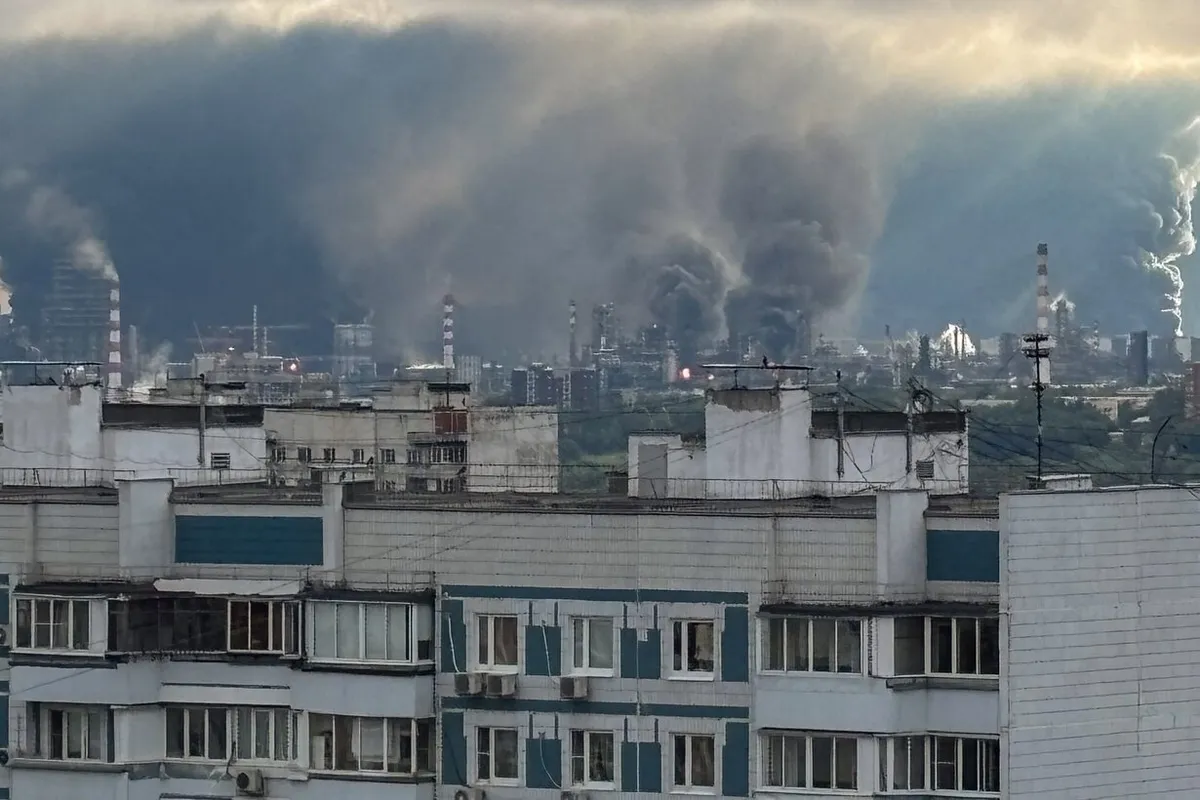
drone strikes on Moscow Oil Refinery
When
June 18, 2026
Where
Moscow Oil Refinery, Kapotnya
- drone strikes on Moscow Oil Refinery
- damage to processing units and storage tanks
- consideration of diesel export ban
- reduction in refining capacity
- gasoline shortage across Russia
Ukraine has intensified its drone campaign against Russian oil infrastructure, striking key refineries and storage facilities, including two attacks on the Moscow Oil Refinery in Kapotnya within three days in mid-June. The strikes have disrupted critical processing units and storage tanks, causing damage that analysts say may take longer to repair than previous attacks. In response, Russian authorities are considering a ban on diesel exports to stabilize domestic fuel supplies amid growing shortages.
The latest wave of attacks, which began after a lull from January to mid-March, initially targeted export terminals such as the Baltic port of Ust-Luga and the Grushovaya Balka facility near Novorossiysk. While those strikes temporarily cut crude oil tanker departures by about half, export volumes soon recovered and even exceeded typical levels, averaging around 3.8 million barrels per day from mid-April. However, the campaign has shifted focus to refineries, with 26 attacks recorded in April and May alone—matching the intensity of August-September 2025, which previously caused notable fuel deficits.
The damage has forced a significant reduction in domestic refining capacity. By April-May, Russian refining volumes had fallen by 650,000 to 700,000 barrels per day compared to late March, a decline of 12-13 percent. The earlier August-September 2025 attacks had cut refining by about 450,000-480,000 barrels per day. Exacerbating the situation, the TANECO refinery in Tatarstan, with a capacity of 375,000 barrels per day, was idled for reconstruction during April-May, earlier than originally planned.
As a result, Russia is experiencing a gasoline crunch that has spread across the country, and officials are now discussing restrictions on diesel exports to preserve fuel for domestic use. Analysts warn that while Russia's oil industry has shown resilience, the cumulative impact of repeated strikes may strain capacity further and potentially lead to broader supply issues. The situation remains fluid, with both military and economic implications for the ongoing conflict.
Why This Matters
This escalation directly impacts global diesel and gasoline markets, potentially tightening supply and raising fuel prices. For readers, this signals increased volatility in energy markets, with implications for transportation costs, industrial production, and inflation worldwide. The situation also highlights vulnerabilities in Russia's energy infrastructure amid ongoing conflict.
Timeline & Sources
Jun 18, 2026
WireUkraine strikes Moscow Oil Refinery twice in three days, damaging key processing unit and storage.
Jun 23, 2026
WireRussia considers diesel export ban amid gasoline crunch; Bloomberg reports on the situation.
Entities
Sources
- Russia’s Gasoline Crunch Spans Country After Refinery AttacksbloombergWireJun 23, 2026
- Russia Considers Diesel-Export Ban on Ukraine Refinery AttacksbloombergWireJun 23, 2026
- Украина с новой силой наносит удары по российским НПЗ. Насколько они существенны для России? И ждет ли страну топливный кризис?MeduzaMediaJun 23, 2026