Emerging
Jun 22, 20261
69%
Life in Russia-controlled Donetsk: A coal city devastated by over a decade of war
Donetsk city in Russian-controlled eastern Ukraine faces severe humanitarian crisis after over a decade of conflict. A local resident describes how conditions have deteriorated drastically since Russia's 2022 full-scale invasion, with water rationing, property seizures, military misconduct, and constant danger from artillery and drones making daily life unbearable.
Quick Facts
Who
Russian military forces
What
Conflict and occupation in Donbas region
When
Spring 2014 - conflict began
Where
Donetsk city
- Conflict and occupation in Donbas region
- Russia's full-scale invasion of Ukraine
- Water rationing to residents
- Seizure of homes and land
- Military personnel misconduct including traffic accidents
The eastern Donbas region of Ukraine, comprising Donetsk and Luhansk oblasts, has endured more than twelve years of conflict and destruction. Russia now controls much of the territory and has demanded its annexation. The war began in spring 2014 with the emergence of pro-Russian armed groups, and has intensified dramatically since Russia's full-scale invasion in 2022. In Donetsk city, the regional capital under Russian control, residents struggle with deteriorating living conditions and constant insecurity.
A 48-year-old woman living in Donetsk describes how daily life has become dramatically worse since the full-scale invasion began. She explains that what residents witnessed as a grim but somewhat routine situation from 2014 onwards has now become unbearable. Russian military presence has expanded significantly throughout the city, bringing accompanying social problems. She recounts that when residents rent apartments to soldiers, the rooms are returned in damaged condition after months. Of nine traffic accidents, eight are caused by soldiers driving at excessive speeds or disregarding traffic rules. Bars, camouflage clothing shops, and various military privileges have proliferated throughout the city.
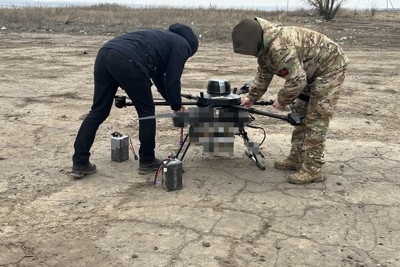
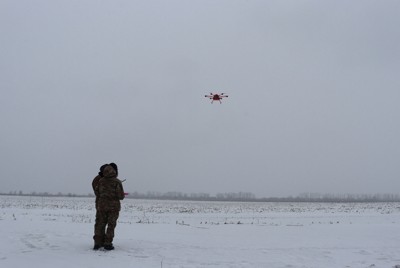
The humanitarian toll has been severe. Water is rationed, available only once every three days for many residents. Homes and land are being seized. There is no safe or quiet place remaining in the city, as mutual artillery bombardment between Russian and Ukrainian forces has intensified, with drones now dominating combat operations. Despite these hardships, residents tolerate the military presence, viewing soldiers ultimately as defenders, though the invasion has brought suffering rather than the stability that Russia's "special military operation" was supposed to deliver.
Donetsk, historically a coal-mining city, has effectively died as a functioning urban center. The contrast between life before 2014, life from 2014 to 2022, and life after 2022 reveals how progressively worse conditions have become. The full-scale Russian invasion has not brought peace to the Donbas region, contrary to stated objectives.
Topics
Why This Matters
This account provides crucial ground-level testimony about the humanitarian cost of prolonged military occupation in Ukraine. For international readers, it underscores how extended conflict transforms civilian life and reveals gaps between stated military objectives and on-the-ground realities. For policymakers and humanitarian organizations, the specific details—water rationing, property seizure, military misconduct—highlight urgent priorities for intervention and accountability.
Timeline & Sources
Jan 1, 2022
WireRussia launches full-scale invasion of Ukraine; conditions in Donetsk deteriorate dramatically
Jun 22, 2026
WireMainichi Shimbun publishes first-person account from Donetsk resident describing current humanitarian crisis