
Yesterday·Emerging
Follow-up 2h ago Major4
100%
Chinese kindergarten owner sentenced to life for poisoning 247 children with lead paint
A Chinese kindergarten owner was sentenced to life imprisonment on October 16, 2026, after poisoning 247 children with lead-contaminated food made with inedible paint added for visual appeal. Five staff members received sentences ranging from six to 15 years. All affected children received medical treatment with significant improvements in blood lead levels.
Quick Facts
- Addition of inedible paint to kindergarten food
- Poisoning of 247 children and staff with lead-contaminated food
- Life sentence imposed for producing and selling toxic food
- Medical treatment and hospitalization of affected children
- Investigation of local officials for cover-up attempts
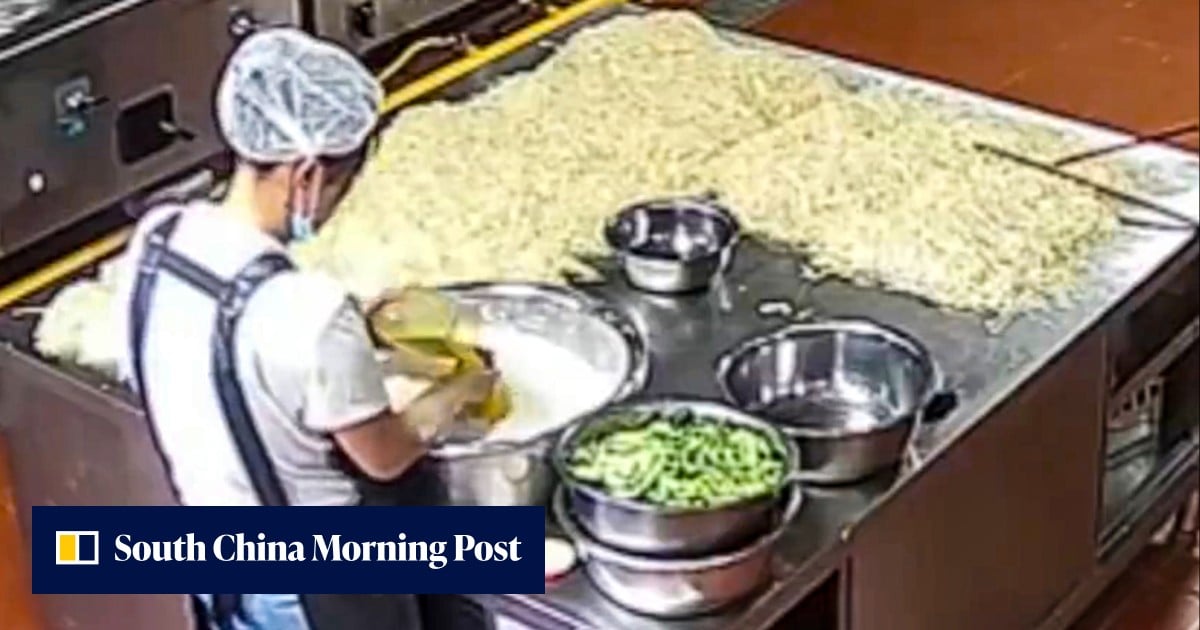
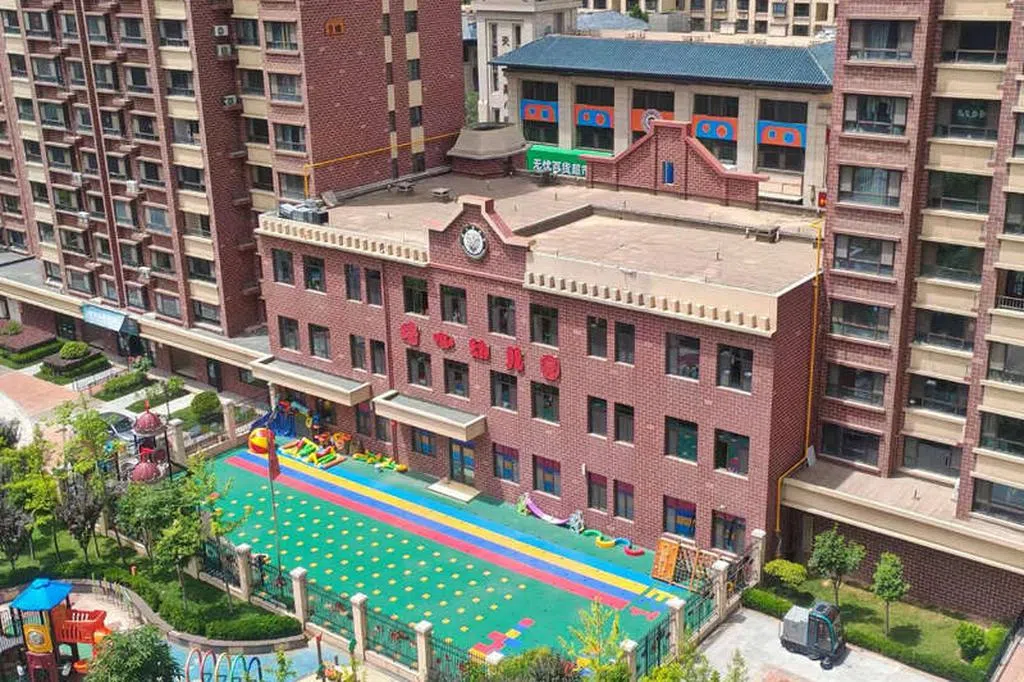

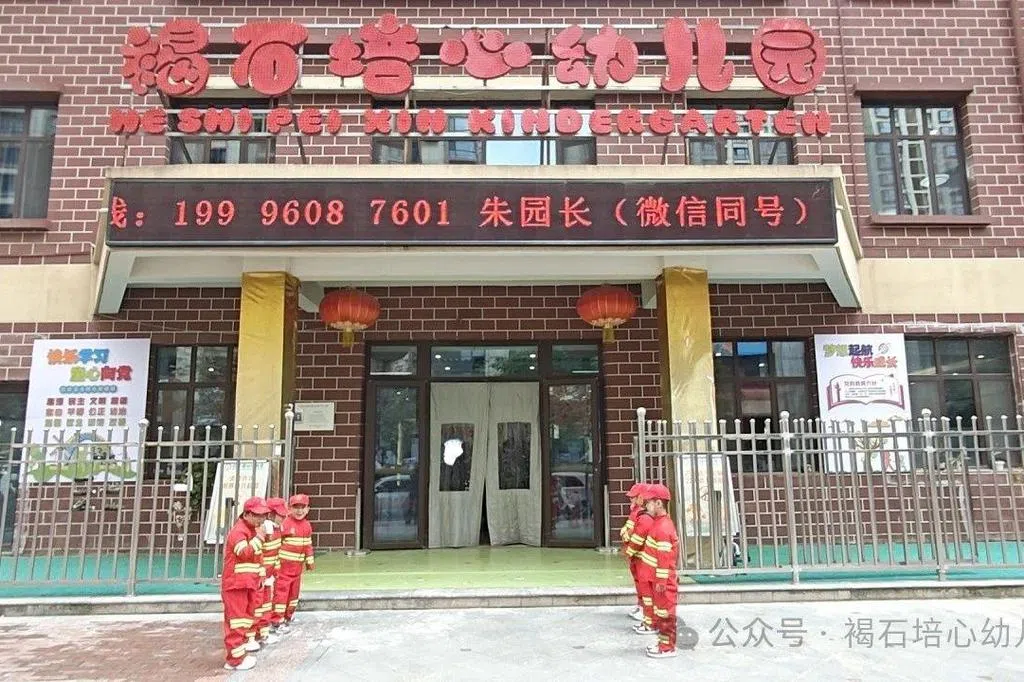
Li Huifang, owner of Heshi Peixin Kindergarten in Tianshui, Gansu Province, was sentenced to life imprisonment on October 16, 2026, after a court found her guilty of producing and selling toxic food that poisoned 247 pre-schoolers and staff members. Lanzhou Intermediate People's Court also ordered confiscation of 500,000 yuan (approximately $74,700) of her personal assets and permanent deprivation of political rights.
The poisoning occurred after Li and executive principal Zhu Jinglin instructed kitchen workers to add inedible paint to food—including red date cakes and sausage corn buns—to enhance color and appearance for marketing purposes. Food samples later tested showed lead levels of 1,052–1,340 mg/kg, exceeding China's national safety limit of 0.5 mg/kg by 2,000 times. The contaminated food had been served monthly since May 2024. Of 251 children tested in July 2025, 247 showed abnormally high blood lead levels.
Zhu Jinglin received 15 years in prison and a 300,000 yuan fine. Four kitchen workers—Niu Aiyuan, Wen Yafang, He Xuxia, and An Chunling—were sentenced to between six and eight years in prison with additional fines for following the instructions to contaminate food. All six defendants were convicted under China's law on producing and selling toxic or harmful food.
Medical treatment began immediately after discovery. By July 20, 2025, most of the 247 affected children had completed their first treatment course and been discharged from hospitals. Clinical evaluation showed an average 40.21 percent decrease in blood lead levels following treatment. The Gansu provincial government pledged full support for ongoing medical care.
Investigation revealed that 10 local officials, including the provincial health commission director and Tianshui city leaders, were under investigation by provincial disciplinary authorities. Officials and hospital staff were found to have attempted to cover up the incident through test tampering and bribery. In response, China published new national guidelines for campus meal provision, requiring testing of each food batch and centralized procurement of flour, rice, and cooking oil.
Why This Matters
A mass poisoning of 247 preschool children in Gansu Province resulted in criminal convictions and hospital treatment. Blood lead contamination exceeded China's safety threshold by approximately 2,000-fold. The incident triggered investigation of local government officials for alleged evidence tampering and policy response—new national guidelines now mandate batch testing and centralized procurement for school meals, affecting food safety oversight across childcare institutions.
Related Signals
Sources
- Nursery owner in China jailed for life after hundreds of children poisonedBBCMediaOct 17, 2026
- Kindergarten head sentenced to life imprisonment over lead poisoning of 247 children in NW ChinaxinhuaMediaOct 16, 2026
- 甘肃天水幼儿园铅中毒案 实际负责人被判无期zaobaoMediaOct 17, 2026
- Chinese kindergarten owner given life sentence over lead paint poisoning scandalSouth China Morning PostMediaOct 17, 2026