Emerging
Jun 23, 2026 Major8
100%
U.S. Temporarily Lifts Iranian Oil Sanctions; Dispute Over Nuclear Inspections Emerges
The United States temporarily suspended oil sanctions against Iran for 60 days, permitting direct dollar sales of Iranian crude and petroleum products for the first time in decades, while unfreezing approximately $120 billion in assets. However, a significant dispute emerged over nuclear inspections: the U.S. claims Iran agreed to allow IAEA inspectors to return, while Iran denies making any new commitments on this issue. The two nations also established a coordination mechanism for the Strait of Hormuz and agreed to a 60-day timeline for reaching a final agreement.
Quick Facts
Who
United States (Trump administration)
What
U.S. suspended oil sanctions on Iran for 60 days
When
June 17, 2026 - Memorandum of understanding signed
Where
Bürgenstöck, Switzerland - negotiation venue
- U.S. suspended oil sanctions on Iran for 60 days
- Iran permitted to sell crude oil and petrochemical products in U.S. dollars
- First round of U.S.-Iran negotiations held in Switzerland
- Dispute over whether Iran agreed to IAEA nuclear inspections
- Coordination mechanism established for Strait of Hormuz
The United States has suspended sanctions on Iranian oil for 60 days, allowing Iran to sell crude oil and petrochemical products directly in U.S. dollars for the first time in decades. The move, announced June 22, marks a significant shift in American economic policy toward Tehran and follows the first round of U.S.-Iran negotiations held in Switzerland at Bürgenstöck. The temporary exemption, valid until August 21, eliminates the need for Iran to rely on complex intermediary networks previously used to circumvent sanctions. Under the agreement, Iran has also been promised the unfreezing of approximately $120 billion in assets, contingent on its adherence to a memorandum of understanding signed June 17.
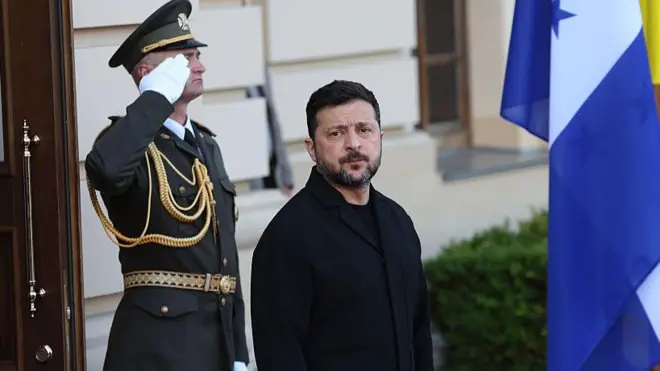
However, a sharp dispute has emerged between the two nations over the nuclear inspection issue. U.S. Vice President J.D. Vance stated that Iran agreed to allow International Atomic Energy Agency (IAEA) inspectors to return to Iranian nuclear facilities, calling this "the most exciting" achievement for the American side and "a crucial milestone" toward permanently ending Iran's nuclear weapons program. President Trump reinforced this claim on social media, asserting that Iran "will agree to accept major weapons inspections to ensure long-term nuclear integrity." Yet Iran's Foreign Ministry spokesman Ismail Bagaei flatly contradicted these assertions, declaring that Tehran made no new commitments regarding nuclear inspections and that any IAEA interactions will proceed under existing procedures established by parliament and the Supreme National Security Council. He emphasized there are currently no plans for IAEA inspectors to visit damaged Iranian nuclear facilities.
The negotiations also addressed regional security concerns. Both nations agreed to establish a coordination mechanism for the Strait of Hormuz, including a hotline and coordination center to ensure safe commercial passage. Iran's chief negotiator, Parliament Speaker Mohammad Baqer Qalibaf, confirmed Iran's commitment to keeping the strait open while asserting that Iran will continue to manage the waterway and that it will never return to pre-war conditions. Additionally, the U.S., Iran, and Lebanon agreed to establish a conflict de-escalation group, though Israeli military operations in southern Lebanon have continued despite the ceasefire agreement outlined in the memorandum.
The first round of talks occurred amid dramatic tensions. According to Iranian officials, talks nearly collapsed when Trump issued threatening statements against Iran's leadership and territorial integrity. Qalibaf said the Iranian delegation initially walked out, citing the memorandum's stipulation against threats or coercion. Vance later characterized the disruption as exaggerated media reporting, claiming the teams continued discussions for approximately nine hours afterward. Qatar and Pakistan, serving as mediators, announced a "roadmap" for achieving a final agreement within 60 days. Some sources speculate that Trump moderated his rhetoric following the near-breakdown, shifting from threatening language to emphasizing mutual "respect" rather than fear.
The temporary sanctions relief represents a dramatic policy reversal for the Trump administration, which withdrew from the 2015 nuclear agreement in 2018 and subsequently reimposed sanctions. However, significant uncertainties remain. Iran's President Masoud Pezeshkian warned that progress depends on both sides fulfilling their commitments and stated Iran will not compromise on uranium enrichment rights. Trump warned that if Iran violates the accord, he will "do what needs to be done," language suggesting potential military action without explicit threats. Additionally, Israel has rejected the memorandum's provisions regarding Lebanon, with Prime Minister Netanyahu declaring that Israeli forces will continue military operations in southern Lebanon to counter security threats.
Why This Matters
This development signals a dramatic reversal in U.S.-Iran relations under the Trump administration, with immediate implications for global energy markets and regional stability. The temporary sanctions relief could lower global oil prices and provide Iran economic breathing room, while the unresolved nuclear inspection dispute threatens the sustainability of the agreement. Readers should monitor whether the final 60-day agreement materializes, as failure could trigger military escalation, and track how this realignment affects geopolitical competition between the U.S., Israel, and regional powers.
Timeline & Sources
Jan 1, 2015
WireIran and six world powers (U.S., China, France, Russia, Germany, UK) signed nuclear agreement with IAEA inspection provisions
Jan 1, 2018
WireTrump withdrew U.S. from 2015 nuclear agreement, calling it a 'bad deal'
Jun 22, 2026
WireFirst round of US-Iran negotiations completed in Burgenstockk, Switzerland
Jun 22, 2026
WireIran's chief negotiator walked out after Trump made threatening remarks; negotiations continued through mediators
Jun 22, 2026
WireUS Treasury Department temporarily lifted oil sanctions for 60-day period
Jun 22, 2026
WireTrump and Vance made statements claiming Iran agreed to nuclear inspections
Jun 22, 2026
WireIran's Foreign Ministry denied making new nuclear inspection commitments
Jun 23, 2026
WireIran's central bank governor reported progress on unfreezing $24 billion in assets
Aug 21, 2026
WireScheduled end date of US oil sanctions waiver on Iran
Entities
- Masoud Pezeshkian
- United States Government
- Burgenstockk, Switzerland
- Ismail Baghaei
- JD Vance
- Pakistan (mediator)
- United States (Trump administration)
- Qatar (Mediator)
- Iran Islamic Republic
- Ismail Bagaei
- Lebanon
- Mohammad Baqer Qalibaf
- Jared Kushner
- J.D. Vance
- Donald Trump
- Benjamin Netanyahu
- Bürgenstöck, Switzerland
- Strait of Hormuz
- Iran Government
- International Atomic Energy Agency
- International Atomic Energy Agency (IAEA)
Sources
- США приостановили санкции против иранской нефти. Иран отрицает, что согласился допустить инспекторов к ядерным объектамBBCMediaJun 23, 2026
- 不得不说,特朗普学乖了ifengMediaJun 23, 2026
- 特朗普称伊朗将同意接受武器核查ifengMediaJun 23, 2026
- 特朗普:伊朗将同意接受武器核查crnttMediaJun 23, 2026
- 万斯称“这是最让美方兴奋的成果”,伊朗否认ifengMediaJun 23, 2026
- 美国暂时解除对伊石油制裁,称谈判“富有成效”nytimes_cnMediaJun 23, 2026
- 伊朗:暂无国际原子能机构访问受损核设施计划crnttMediaJun 23, 2026
- 美国暂时豁免石油制裁 伊朗否认同意恢复核检查zaobaoMediaJun 23, 2026