
US Fed raises rates 25bps to 3.75-4%, first hike in three years
Quick Facts
- 25 basis point interest rate increase
- First rate hike in over three years
- Projection of one more rate increase this year
- Expectation of stable rates through 2027
- Target to return inflation to 2% by 2029
Related Insights
FOMC, 당분간 기대는 접어야겠습니다. TQQQ 연구소 · YouTube
Fed Raises Rates 25 Bps To 3.75%-4%; First Increase In 3 Years, Signals Higher Rates Ahead | N18G CNN-News18 · YouTube
U.S. Fed Raises Rates By 25 Bps, Signals MORE Hikes Ahead | What Comes Next? | Business News ET Now · YouTube
U.S. Fed Raises Rates By 25 Bps, Signals MORE Hikes Ahead | What Comes Next? | Business News ET Now · YouTube
‘Inflation is too high…’: Fed hikes interest rates by 25 bps as Warsh resists Trump’s cut demand The Economic Times · YouTube
US Fed Raises Interest Rates For First Time Since 2023, Defies Trump's Rate Cut Demand | N18G CNBC-TV18 · YouTube
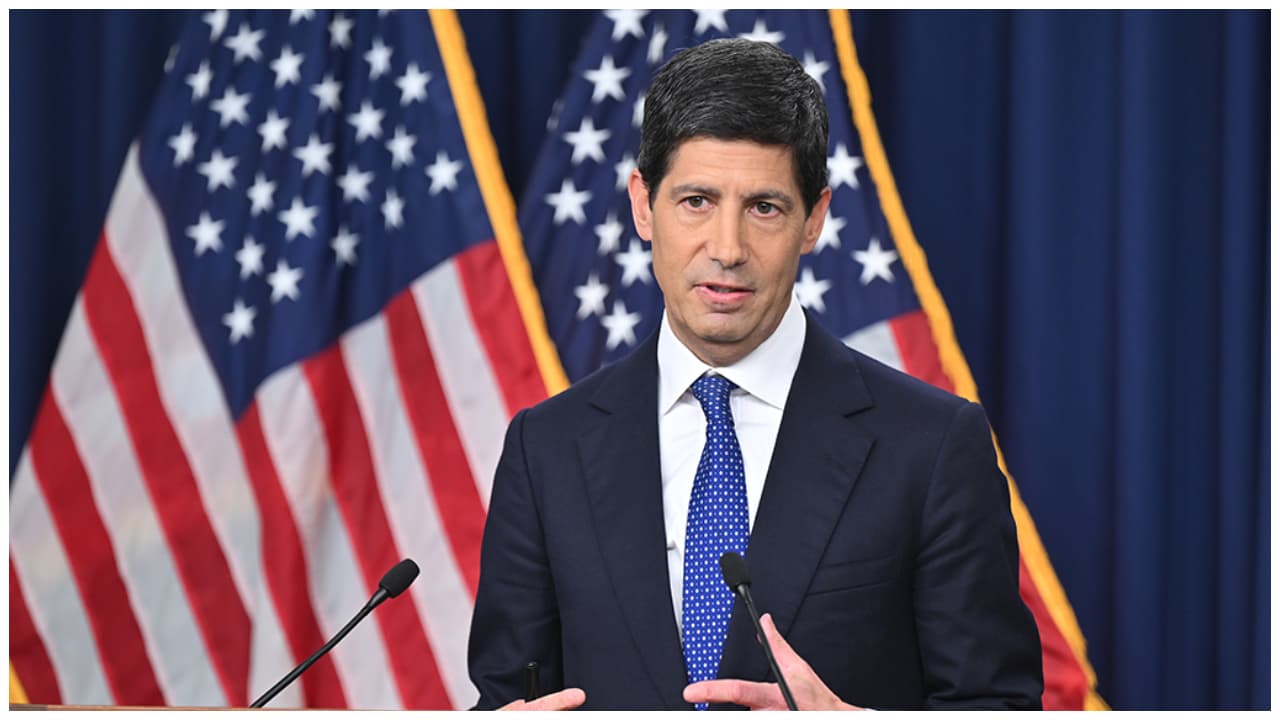

Why This Matters
Timeline & Sources
Related Signals
- GeoRelated Topic
Fed Raises Rates for First Time Since 2023, Signals More Hikes
Follow-up 11h ago
- GeoRelated Topic
Fed Raises Rates to 3.75–4% for First Time Since 2023
Follow-up 2h ago
- GeoRelated Topic
Federal Reserve raises rates 25 basis points; Trump claims decision was political
Follow-up 1h ago
- GeoContinuation
Federal Reserve poised to raise rates for first time since 2023 amid persistent inflation
Follow-up 22h ago
- GeoRelated Company
U.S. House Approves Sanctions Bill Allowing Trump to Impose 100% Tariffs on Russian Energy Buyers
Follow-up 1h ago
- GeoMarket Impact
EU Proposes Canada as First 'Associate Member' Amid U.S. Trade Tensions
Follow-up 3h ago
- GeoMarket Impact
Trump administration cuts or freezes $177 billion in federal grants
Follow-up 17h ago
Sources
- US Fed raises interest rates for first time in three yearsAl JazeeraMediaSep 17, 2026
- നിരക്ക് ഉയർത്തി യുഎസ് കേന്ദ്ര ബാങ്ക്: ഇനിയും കൂട്ടുമെന്ന് മുന്നറിയിപ്പ്; വിപണിയെ എപ്രകാരം ബാധിക്കും?MathrubhumiMediaSep 17, 2026
- യുഎസ് ഫെഡറൽ റിസർവ് പലിശ നിരക്ക് വർധിപ്പിച്ചു; 2023 ജൂലൈയ്ക്ക് ശേഷമുള്ള ആദ്യ നിരക്ക് വർധന, ട്രംപിൻ്റെ നിലപാടിന് തിരിച്ചടിAsianet News MalayalamMediaSep 17, 2026