
Sep 15·Geo
Follow-up 3h ago3
95%
U.S. Senate Fails to Pass Landmark Cryptocurrency Bill
The U.S. Senate rejected the Digital Asset Market Clarity Act on September 16, 2026, after failing to secure 60 votes, as Republicans and Democrats remained divided over ethics provisions governing President Trump's crypto interests, stablecoin banking safeguards, and regulatory authority. The defeat represents a major setback for comprehensive cryptocurrency legislation despite years of industry lobbying and prior bipartisan committee support.
Quick Facts
- Senate procedural vote failed to advance Digital Asset Market Clarity Act
- Legislation fell short of required 60 votes
- Bill collapsed due to disagreements over ethics, banking, and regulatory oversight
- Bitcoin declined from intraday highs following vote
- Prediction market probabilities shifted significantly



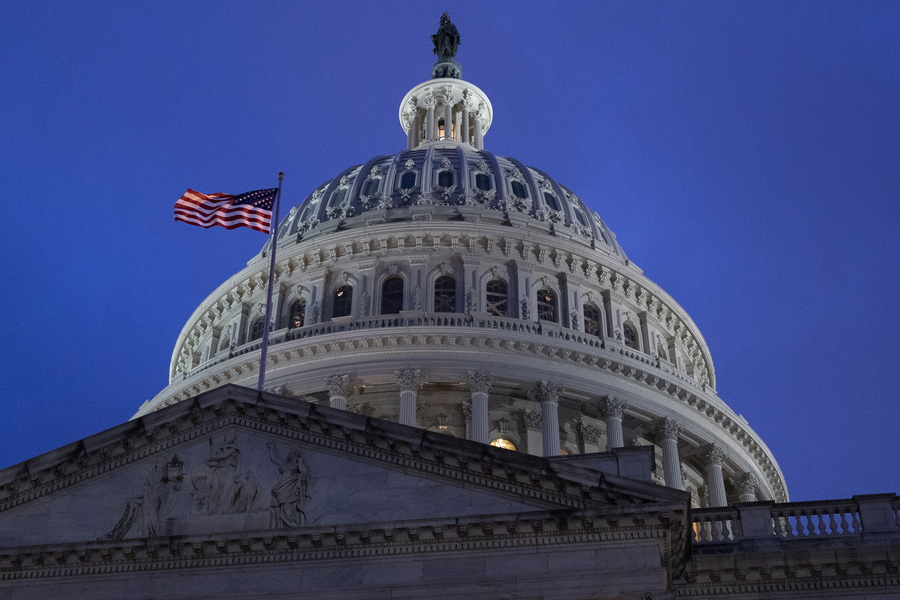
The U.S. Senate failed to advance the Digital Asset Market Clarity Act on Tuesday, September 16, 2026, after the legislation fell short of the 60 votes required to proceed to debate. The comprehensive 600-page bill, which aimed to establish the first unified federal framework for digital-asset markets, collapsed due to persistent disagreements between Republicans and Democrats over ethics provisions, banking safeguards, and regulatory oversight.
A central point of contention was President Donald Trump's extensive cryptocurrency interests. Trump and his family earned more than $1 billion from crypto ventures in the prior year, according to financial disclosures. Democrats, led by Massachusetts Senator Elizabeth Warren, argued that the bill posed risks to consumers and the economy while simultaneously expanding the president's ability to profit from cryptocurrency. Republicans, including lead architect Wyoming Senator Cynthia Lummis, countered that their final version incorporated over 120 amendments sought by Democrats and included new ethics reforms such as restrictions on officials issuing cryptocurrencies and enhanced state attorney general enforcement powers.
Additional obstacles included disagreements over stablecoin provisions. Community banks fiercely opposed rules allowing rewards on stablecoin holdings, fearing such provisions could redirect deposits away from traditional lenders and reduce funding available for farmers and small businesses. Several Republican senators shared these concerns, fragmenting party support.
The defeat marks a significant setback for the crypto industry, which has invested years of negotiations, intense lobbying, and hundreds of millions of dollars in political spending to secure comprehensive legislation. A House version passed in the previous Congress, and the Senate banking committee advanced the measure on a bipartisan vote in May 2026, but floor negotiations ultimately failed. With midterm elections scheduled for November 3, 2026, and limited time remaining on the congressional calendar, the measure could effectively remain shelved until a new Congress convenes.
Market reaction was immediate. Bitcoin, which had briefly climbed to approximately $79,586, retreated to below $78,000 following the vote. Prediction market data showed the probability of the bill passing before year-end falling from over 30 percent on September 14 to approximately 18 percent on September 16. Crypto industry participants and regulators including the Securities and Exchange Commission and Commodity Futures Trading Commission are expected to pursue alternative regulatory pathways, though SEC leadership has cautioned that agency-issued guidance without legislative backing lacks durability.
Why This Matters
The defeat of the bill leaves the U.S. cryptocurrency market without comprehensive federal legislation, affecting market participants, traditional financial institutions, and regulatory agencies. Bitcoin's price declined following the vote; prediction markets show passage probability before year-end dropped from over 30% to 18%. Community banks cited concerns that stablecoin reward provisions could redirect deposits away from traditional lending, impacting funding for agricultural and small-business sectors. The SEC, CFTC, and other regulators are now expected to pursue alternative regulatory pathways, though SEC leadership noted that agency guidance without legislative backing lacks durability. With midterm elections scheduled for November 3, 2026, and a limited remaining congressional calendar, the bill faces an uncertain timeline.
Timeline & Sources
Sep 14, 2026
WirePrediction market probability of bill passing before year-end rises above 30%; Democratic negotiators prepare counter-proposal
Sep 15, 2026
WireBitcoin retreats from intraday highs to below $78,000; prediction market probability drops to 18%
Sep 16, 2026
WireSenate procedural vote on Digital Asset Market Clarity Act fails to reach 60 votes; bill collapses
Nov 3, 2026
WireScheduled U.S. midterm elections