Emerging
Jun 23, 2026 Major1
80%
Andy Burnham emerges as frontrunner to succeed Keir Starmer amid questions about his vision
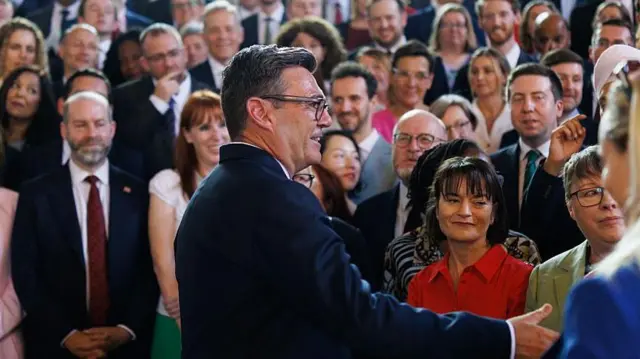
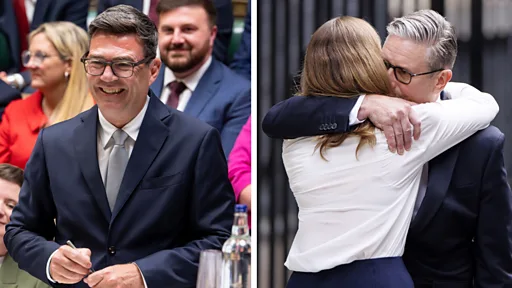
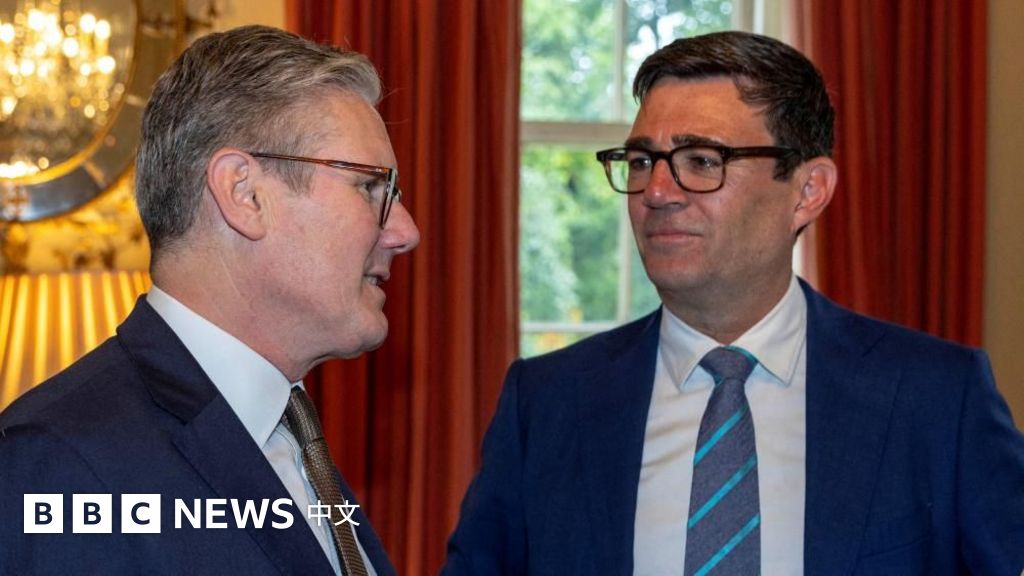
Andy Burnham has emerged as the clear frontrunner to replace Sir Keir Starmer as Prime Minister after his rival Wes Streeting withdrew support on June 22. However, Labour insiders express concerns about Burnham's lack of detailed policy vision and his rapid rise from Mayor of Manchester to potential party leader in just days.
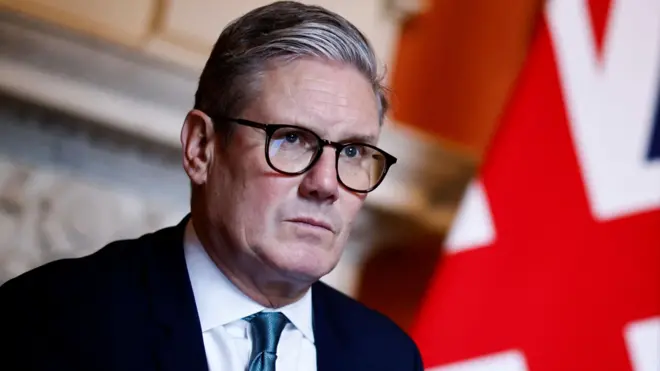
Quick Facts
Who
Andy Burnham
What
Keir Starmer announced his departure as Prime Minister
When
Monday, June 22, 2026
Where
Westminster
- Keir Starmer announced his departure as Prime Minister
- Wes Streeting withdrew from leadership race and endorsed Burnham
- Andy Burnham emerged as frontrunner to succeed Starmer
- Questions raised about Burnham's policy vision
- Uncertainty over Rachel Reeves' position as Chancellor
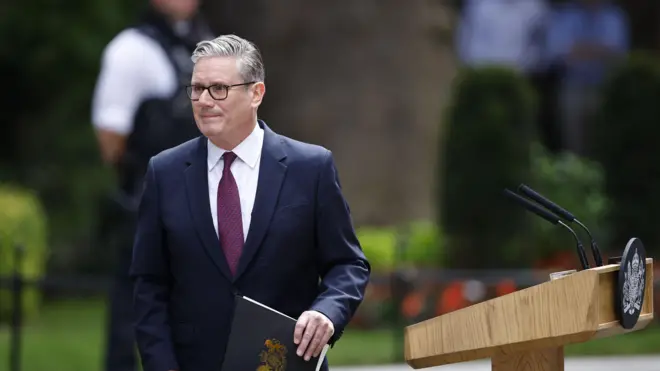
Andy Burnham has solidified his position as the leading candidate to become Britain's next Prime Minister following Sir Keir Starmer's announcement of his departure, but significant questions remain about his policy direction and readiness for the role. The former Greater Manchester Mayor's path to the top job became clearer on Monday, June 22, when his main rival, Wes Streeting, withdrew from the race and threw his support behind Burnham. This move, combined with Starmer's formal timeline for departure, signals that Burnham could become Britain's fifth Prime Minister in four years.
Burnham's rapid ascent has surprised many within Labour ranks. Less than a week before these developments, he was serving as Mayor of Manchester, and he was not even a parliamentary candidate at the time of the last general election. His supporters point to his electoral success—he secured victory in a constituency where Reform UK performed strongly in May's local elections—and his popularity in Greater Manchester as evidence of his appeal. However, critics within the party have noted a troubling pattern: Burnham lost two previous leadership contests, both times to candidates who subsequently lost general elections—Ed Miliband in 2015 and Jeremy Corbyn in 2017 and 2019.
Uncertainty surrounds several key figures and positions in a potential Burnham government. Chancellor Rachel Reeves' position remains unclear; while some argue she should remain to maintain market confidence, others believe Burnham is unlikely to retain her given her close association with the outgoing administration. There is speculation that Wes Streeting could take the role, though he has denied receiving such an offer from Burnham. Some Labour figures have even discussed whether they should persuade Darren Jones, the Chief Secretary to the Treasury, to challenge Burnham for the leadership, though allies suggest this is unlikely.
Perhaps the most pressing concern among party insiders is Burnham's lack of detailed policy articulation. Until last Friday morning, he was focused on his mayoral duties and local issues rather than broader national policy. A senior cabinet member captured the anxiety, noting that many Labour MPs feel like they are "rushing toward a train pulling out of the station, but they don't know where it's going." In a social media post responding to Starmer's resignation announcement, Burnham outlined only general priorities: economic growth, cost of living, public services, housing, and opportunities for the next generation.
As Burnham prepares for what could be an imminent transition to the Prime Minister's office, critical questions loom about his foreign policy stance, particularly regarding relations with US President Donald Trump, defense spending, and the broader strategic direction he would chart for the nation. The compressed timeline for establishing his leadership vision—potentially within weeks—adds pressure to demonstrate substantive plans beyond broad campaign rhetoric. BBC political editor Chris Mason notes that Burnham is perceived as a winner in contrast to the outgoing Starmer, but this perception advantage will quickly give way to demands for concrete policy detail and governing strategy.
Why This Matters
This succession directly affects UK domestic and foreign policy direction. Burnham's lack of detailed policy articulation creates uncertainty for investors, international partners, and voters about crucial issues including relations with the Trump administration, defense spending, and economic strategy. The accelerated timeline for establishing his leadership platform means these critical questions must be resolved within weeks, making this transition a pivotal moment for Britain's political stability and strategic positioning.
Timeline & Sources
Jun 19, 2026
WireAndy Burnham steps down as Mayor of Manchester
Jun 22, 2026
WireSir Keir Starmer announces his intention to step down as Prime Minister; Wes Streeting withdraws from leadership race and endorses Burnham
Jun 23, 2026
WireBBC analysis published examining Burnham's emergence as frontrunner and outstanding policy questions