
Yesterday·Geo
Follow-up 4h ago Major4
100%
Trump's Approval Hits 33% as Republicans Face Midterm Losses, Sources Show
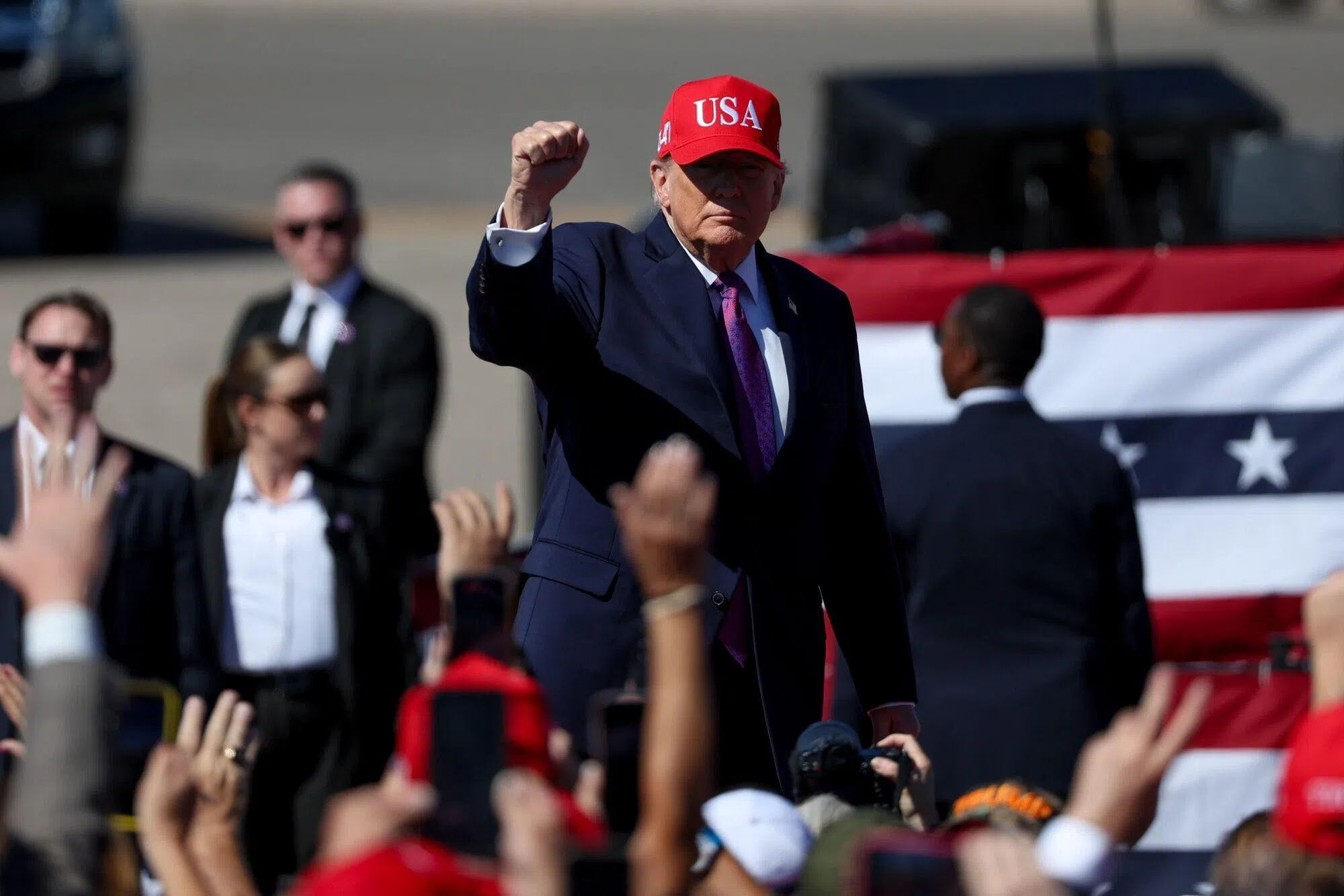
President Trump's approval rating has fallen to 33%, a record low, as Republicans face potential losses of both the House and Senate in midterm elections on November 3. Two-thirds of Americans believe Trump is using the presidency for personal enrichment, and majorities disapprove of the Iran war and economic management. Trump is campaigning nationally to support Republican candidates, including Senator Roger Marshall in Kansas, where Democrat Adam Hamilton has emerged as a competitive challenger.
Quick Facts
- Trump's approval rating reached 33%
- 66% of Americans believe Trump is using presidency for personal enrichment
- 34% of Republicans hold same belief (12-point increase from September 2025)
- 65% believe Iran war was a mistake
- 48% report worsened financial situation (highest since 1986)

President Donald Trump's approval rating has reached 33%, marking a new low as the United States approaches midterm elections on November 3, 2026—just over two weeks away. Multiple polling organizations confirm the decline: a Washington Post-ABC-Ipsos survey conducted October 9–13 shows approval at 33%, down 4 percentage points from July and 8 points from October 2025. The New York Times real-time tracking poll reports disapproval at 61%, with approval at 37%. This deterioration comes amid two major concerns: 66% of Americans, including 34% of Republicans, believe Trump is using the presidency to enrich himself—a 12-point jump among Republicans since September 2025. Additionally, 65% of survey respondents say the ongoing war with Iran was a mistake, and 48% report their financial situation has worsened since Trump returned to office in 2025, the highest such figure in Washington Post-ABC polls since 1986.
Republicans are facing severe headwinds in both chambers. In the House, where Republicans hold 219 of 435 seats, Democrats lead by 8 percentage points in generic ballot preference, compared to only 3 points in July. Political analysts warn that Trump's unpopularity directly damages House Republicans, as all seats are up for election simultaneously and lawmakers struggle to distance themselves from an unpopular president. In the Senate, Republicans must defend more vulnerable seats than Democrats. Kansas—a state that has not elected a Democratic senator since 1932—has become a critical battleground: Democrat Adam Hamilton, a pastor, is running competitively against incumbent Republican Senator Roger Marshall. The Senate Leadership Fund, the largest Republican super PAC, has redirected at least $10 million in advertising funds to Kansas from other states, signaling Republican desperation. Other competitive Senate races include Texas, Iowa, Maine, Michigan, and North Carolina.
Trump is actively campaigning across the country to mobilize Republican voters. On October 19, he held a rally in Wichita, Kansas, to support Marshall's re-election bid. The White House has mobilized to provide political and policy support to candidates in competitive races, with Trump allies noting that even small shifts in voter opinion could determine close contests. Some Republican candidates are attempting to create distance from Trump on specific issues—criticizing trade wars, the Iran conflict, or immigration enforcement—though these efforts remain limited.
Analysts from across the political spectrum assess the trajectory. Gallup polling shows Democrats enjoy 43% favorability (up 6 points year-over-year) versus 35% for Republicans (down 5 points), and Democrats are perceived as more reliable on economic issues for the first time in over a decade. YouGov polling from October 10–12 found 51% of respondents prefer Democratic control of Congress versus 40% for Republican control. Political observers assess that simultaneous Democratic gains in both chambers remain the most likely outcome, which would severely constrain Trump's domestic agenda in his final two years. If Democrats take the House and Senate, they would gain investigative power, the ability to block judicial appointments, and capacity to obstruct presidential appointments, though Trump would retain significant authority over foreign policy and executive orders.
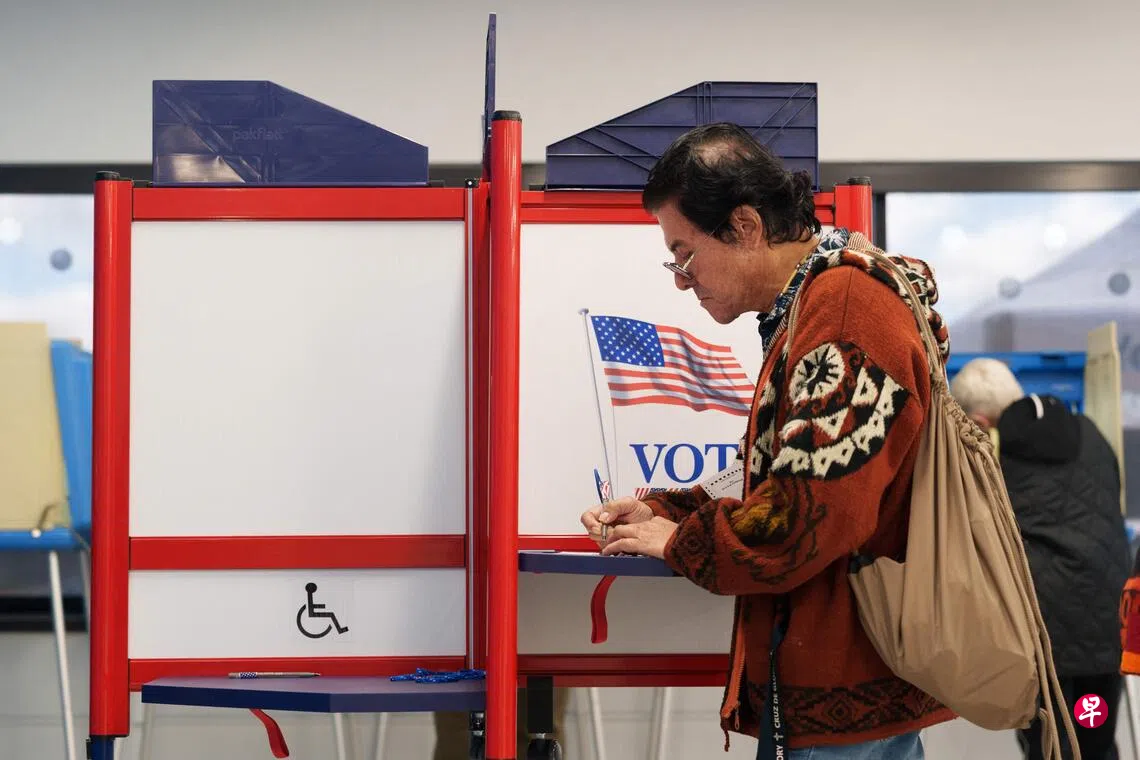
Early voting commenced in multiple states on October 19, including Alaska, Arkansas, Colorado, Connecticut, South Carolina, Texas, and parts of Florida. Republicans retain a cash advantage in political advertising, but historical patterns suggest lower midterm turnout typically favors Republicans—a factor that could partially offset Democratic momentum. The political landscape reflects broad discontent: 72% of survey respondents believe the country is moving in the wrong direction, up 5 points from April.
Why This Matters
With midterm elections two weeks away, Trump's 33% approval rating—down 8 points from October 2025—directly affects Republican viability in both chambers. Democrats lead generic ballot by 8 points; Senate races in traditionally Republican Kansas, Texas, Iowa, and Maine have become competitive. A Democratic House takeover would grant investigative powers and ability to block judicial/cabinet appointments; a Democratic Senate would obstruct these same appointments and prevent Trump from reshaping courts. Early voting has commenced in seven states; polling shows 72% believe country moving in wrong direction and 48% report worsened finances—measurable antecedents to turnout and margin shifts.
Related Signals
Sources
- Trump to head to Kansas to show support for embattled Marshall – US politics liveThe GuardianMediaOct 19, 2026
- 【美国中期选举】共和党颓势难扭恐失参众两院 华府面临“跛脚”zaobaoMediaOct 18, 2026
- Trump’s approval rating hits new low amid growing support for Democrats — polltassMediaOct 18, 2026
- 2026 Midterm Elections: Trump Campaigns in KansasFox NewsMediaOct 19, 2026