AI
Jun 18, 20261
69%
U.S.-Iran Agreement Increases Strait of Hormuz Traffic Amid Persistent Regional Tensions
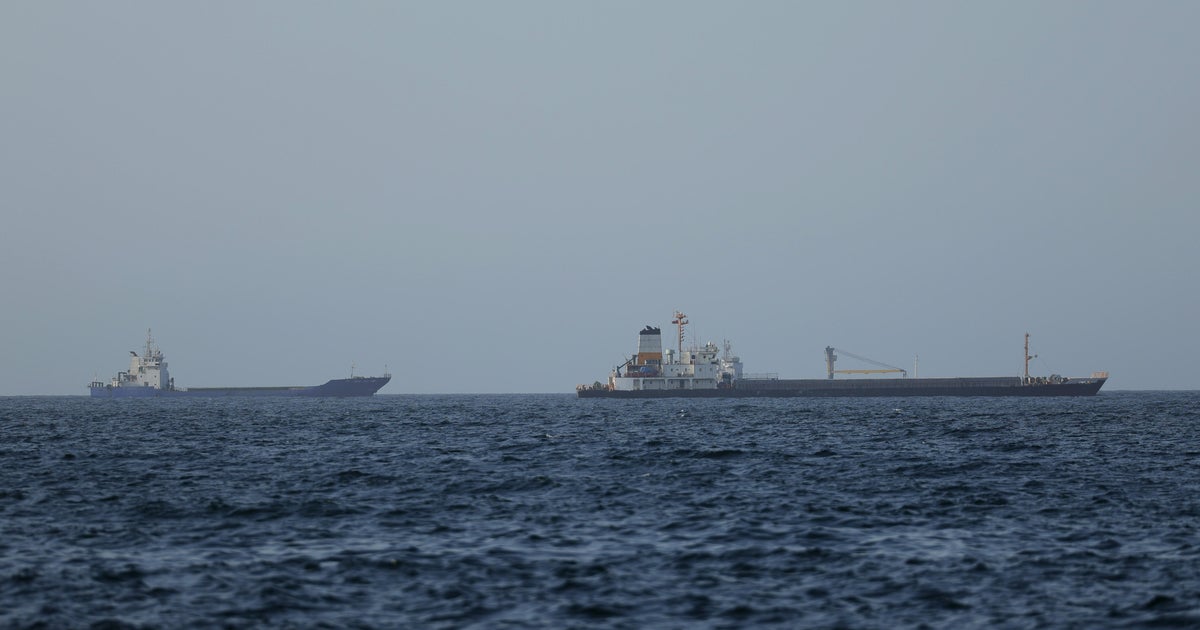
The U.S.-Iran memorandum of understanding has spurred an immediate increase in commercial ship traffic through the Strait of Hormuz, with at least 10 vessels observed. The deal aims to reopen the waterway and launch broader talks on Iran's nuclear program. However, tensions persist as Israel refuses to withdraw from Lebanon, where conflict has caused nearly 4,000 civilian deaths, and U.S. officials warn of potential reimposition of a blockade if Iran fails to comply.



Quick Facts
Who
Donald Trump
What
signed memorandum of understanding
When
Thursday
Where
Strait of Hormuz
- signed memorandum of understanding
- increased commercial vessel traffic in Strait of Hormuz
- halt fighting on all fronts
- negotiations on Iran nuclear program
- reimpose naval blockade
A memorandum of understanding signed by U.S. President Donald Trump and Iranian President Masoud Pezeshkian has led to a notable increase in commercial vessel traffic through the Strait of Hormuz, with at least 10 ships transiting the strategic waterway on Thursday. The agreement aims to immediately reopen the strait, which had been a focal point of tensions, and sets the stage for broader negotiations within 60 days covering Iran's nuclear program and the lifting of Western sanctions.
Despite the diplomatic breakthrough, significant challenges remain. Iran has warned that any continued Israeli military presence in southern Lebanon would be considered a violation of the deal. The agreement explicitly calls for an immediate halt to fighting on all fronts, including in Lebanon, where Israel has been conducting operations against Hezbollah since March. Israel, however, has stated that its forces will remain in Lebanon and continue operations, leading to ongoing discord.
The conflict in Lebanon has exacted a heavy toll. According to Lebanon's Ministry of Public Health, Israeli operations have killed at least 3,912 people and wounded 11,873 others since March 2. The fighting began when Hezbollah launched rockets and drones at Israel in retaliation for the joint U.S.-Israeli military campaign against Iran.
U.S. Defense Secretary Pete Hegseth warned on Thursday that the American military is prepared to reimpose a naval blockade on Iran if the regime fails to comply with the agreement. "If Iran doesn't comply, then we're more than able to reimpose an ironclad blockade," Hegseth told reporters at NATO headquarters in Brussels. He stressed that the U.S. expects Iran to abandon its nuclear weapons ambitions, material, and facilities.
President Trump defended the deal against critics, calling them "fools" in a social media post, noting that the stock market hit a record high and oil prices have tumbled since the announcement. Meanwhile, Iranian Foreign Minister Esmail Baqaei acknowledged that implementing the next phase of the agreement will be "more difficult than before," as ships have already begun moving through Iranian ports unimpeded.
Why This Matters
The increase in Strait of Hormuz traffic signals a potential de-escalation in U.S.-Iran tensions, directly affecting global oil prices and shipping security. For readers, this means possible short-term relief in energy markets, but the fragile deal and unresolved issues—especially Israel's role and Iran's nuclear ambitions—indicate continued volatility. Businesses and investors should monitor compliance closely, as any violation could trigger a swift U.S. blockade, reversing gains.
Timeline & Sources
Mar 2, 2026
WireIsrael launches major attacks in Lebanon after Hezbollah retaliation for U.S.-Israeli war on Iran
Jun 17, 2026
WireU.S. President Trump and Iranian President Pezeshkian sign memorandum of understanding
Jun 18, 2026
WireAt least 10 commercial vessels transit Strait of Hormuz; Hegseth warns of possible blockade; Trump defends deal; Iran says next phase will be more difficult