
Yesterday·Emerging
Follow-up 4h ago Major4
100%
Russian satellite made closest-ever unauthorized approach to US imaging satellite
Russian military satellite Kosmos-2612 maneuvered into extreme proximity—as close as 150–500 meters—with the US-operated ICEYE-X36 imaging satellite in mid-October 2026, marking what analysts describe as possibly the first uncoordinated rendezvous in low-Earth orbit. While intent is unclear, the deliberate maneuvers raised concerns about intelligence gathering, interference, or hostile signaling.
Quick Facts
- Kosmos-2612 closed from 350 kilometers to within 500 meters of ICEYE-X36
- Russian satellite conducted controlled approach, position changes, close-proximity loitering, and controlled departure
- Four of six Russian satellites launched in April adjusted orbits to align with ICEYE-X36's orbital plane in May 2026
- Kosmos-2612 made rapid maneuvers from September 30 through October 16 to match altitude, eccentricity, and orbital period
- Kosmos-2612 (Russian military satellite)

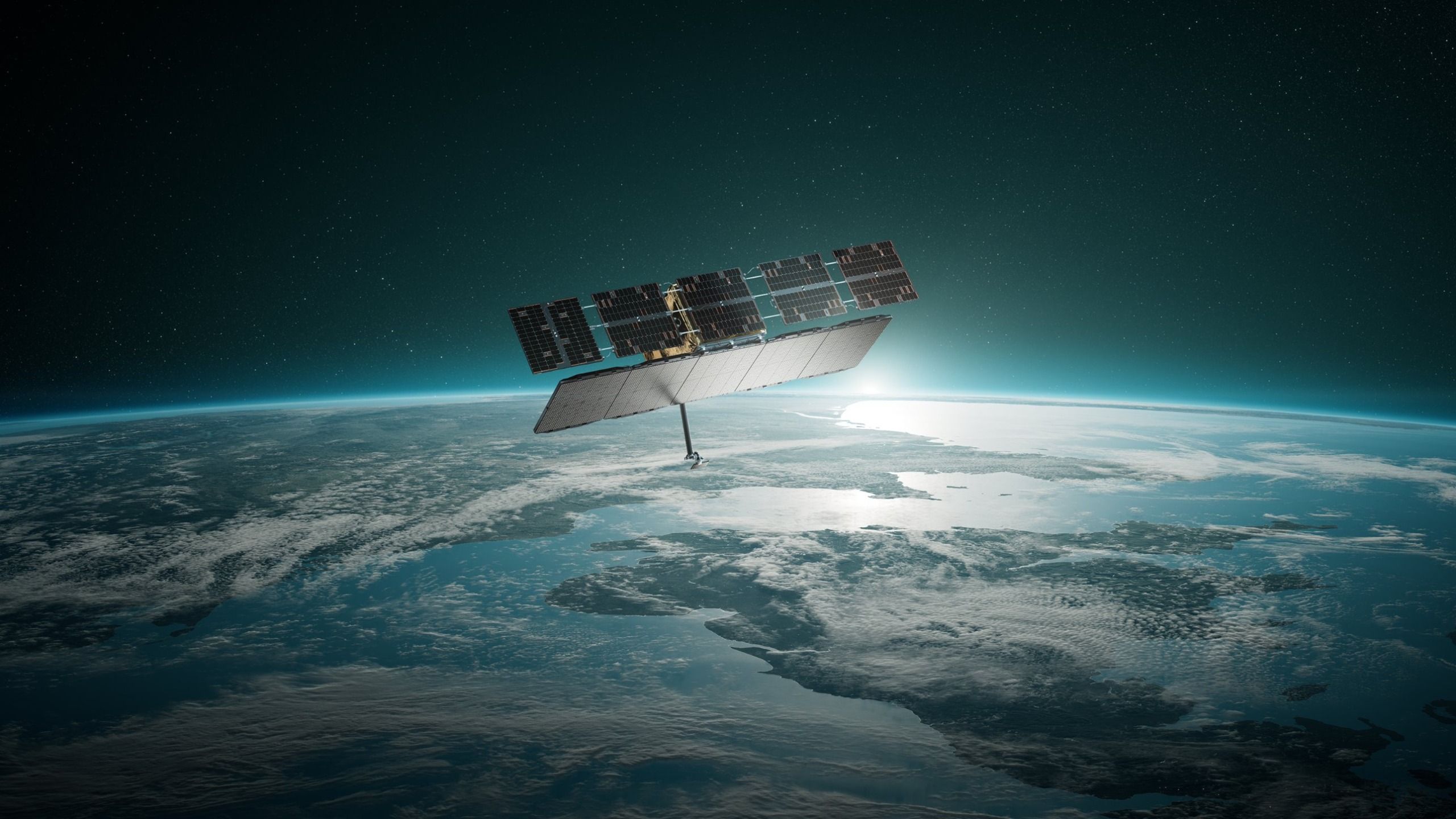

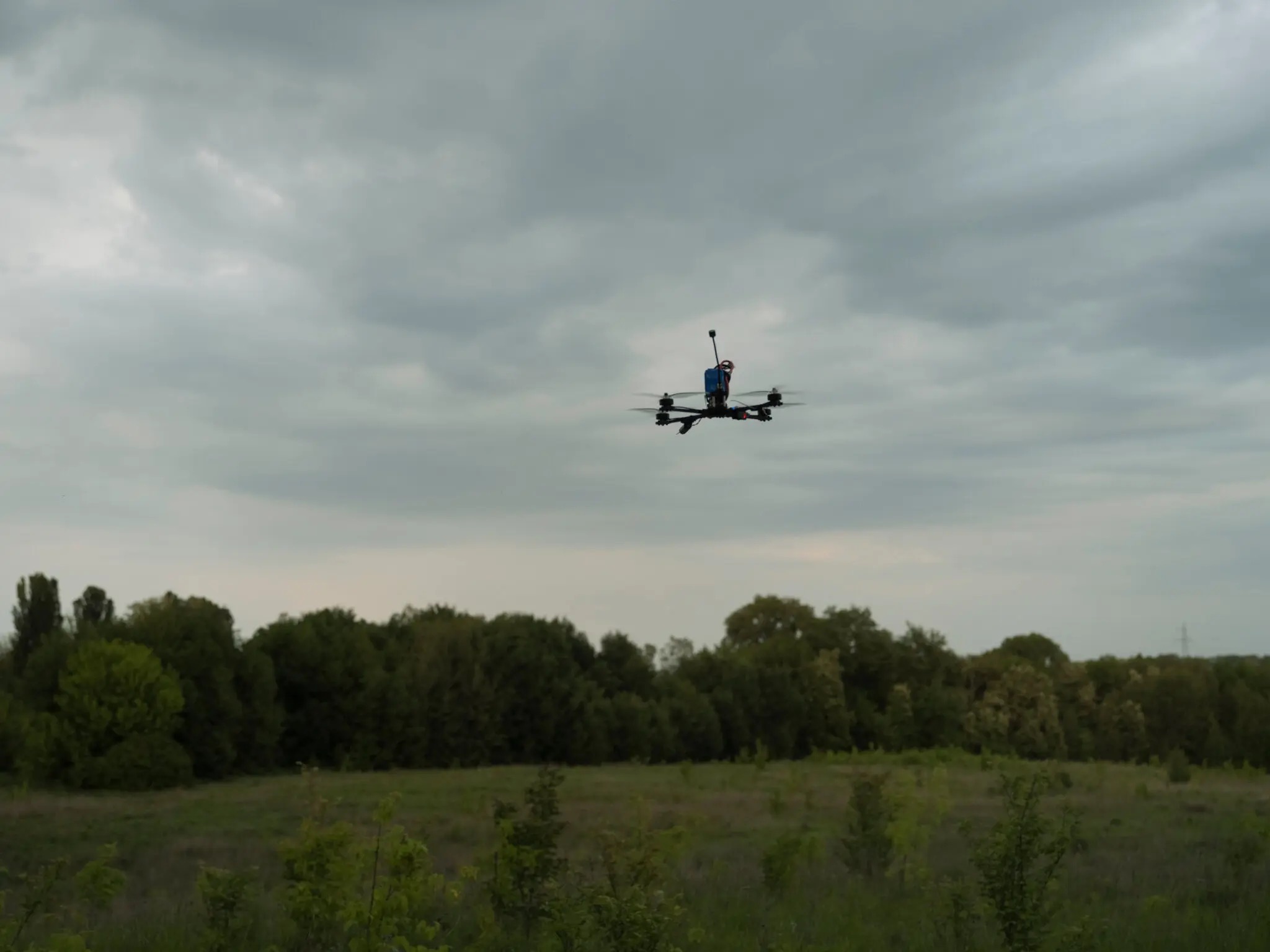

A Russian military satellite, Kosmos-2612, maneuvered into extreme proximity with ICEYE-X36, a US-operated commercial Earth-imaging satellite, between October 15 and 18, 2026, according to orbital monitoring company LeoLabs. The Russian spacecraft closed from 350 kilometers away to within 500 meters (roughly 1,600 feet) of the target satellite, with some estimates suggesting distances as low as 150–200 meters. Throughout the weekend of October 18–19, Kosmos-2612 made controlled adjustments to maintain close proximity before beginning to move away on Monday.
Iceye-X36 is a synthetic aperture radar satellite launched in March 2024 and operated by Iceye, a multinational company with offices in Finland and the United States. The satellite is part of a constellation that has supplied intelligence to Ukraine since 2022, though it remains unclear whether ICEYE-X36 specifically supports Ukrainian military operations. In May 2026, four of six Russian military satellites launched in April—including Kosmos-2612—adjusted their orbits to align with ICEYE-X36's orbital plane, suggesting sustained Russian interest in the target.
LeoLabs stated that Kosmos-2612's behavior "appears to be a deliberate approach" and is "consistent with sophisticated rendezvous and proximity operations." The sequence included a controlled approach, changes in relative position, close-proximity loitering, additional small maneuvers, and a controlled departure. Space analysts and officials emphasize that while the intent remains uncertain, the maneuver demonstrates capabilities that could support intelligence collection, on-orbit inspection, coercive signaling, or interference. Jonathan McDowell, an astrophysicist and space analyst, suggested this may be the first known uncoordinated rendezvous in low-Earth orbit.
No strict legal limit on satellite separation distance exists, but countries generally maintain at least 6 miles (9.7 kilometers) apart as an operational standard, according to Aaron Brynildson, a space law professor at the University of Mississippi. Russia has not disclosed what Kosmos-2612 carries or stated its intentions. In July 2020, Russia's Cosmos 2543 released an object at high velocity, an action condemned by the US and UK. Analysts including Victoria Samson of the Secure World Foundation note that the approach could be intended to interfere with broadcasting, jam signals, gather electronic intelligence, or intimidate the satellite's operators. Douglas Loverro, a former NASA and Defense Department space policy official, characterized the action as "concerning and aggressive with potential hostile intent" but cautioned against automatically interpreting it as hostile or an attack.
Iceye declined detailed comment, stating only that the company is "aware of the situation and tracking it closely" and that its constellation architecture is "designed for continuity and resilience." The US State Department and Russian government have not issued official responses. The incident reflects broader concerns about escalating space activities by Russia, China, the United States, and other spacefaring nations, with experts warning of potential arms race dynamics or conflict in orbit.
Topics
Why This Matters
The incident marks a documented instance of close-proximity maneuvering in low-Earth orbit involving a Russian military satellite and a US-operated commercial asset. ICEYE-X36 has supplied Earth-imaging intelligence to multiple clients since 2024, including Ukraine since 2022. The maneuver demonstrates controlled rendezvous capabilities that could support intelligence gathering, signal jamming, on-orbit inspection, or coercive signaling. No international legal threshold restricts satellite separation distance, though operational convention maintains 6+ miles; the approach raises cascading concerns about space domain escalation, satellite vulnerability, and potential arms-race dynamics among spacefaring powers. Immediate measurable effects include enhanced industry focus on satellite resilience, potential policy review of space operations norms, and increased monitoring by space surveillance networks.
Timeline & Sources
May 26, 2026
WireCosmos 2609 passes within 2.5 km of ICEYE-X36
Sep 30, 2026
WireKosmos-2612 begins series of maneuvers; has drifted off ICEYE-X36's orbital plane by approximately 0.24 degrees
Oct 18, 2026
WireKosmos-2612 maneuvered to within 500 meters (possibly 150–200 meters) of ICEYE-X36; held close proximity throughout weekend
Oct 19, 2026
WireLeoLabs issues statement describing incident; Kosmos-2612 begins moving away from ICEYE-X36
Sources
- Russian spacecraft maneuvers in "extreme proximity" to satellite used by Ukrainears_technicaMediaOct 19, 2026
- Russian military satellite closes from 200 miles to 3 miles of US radar satellite aiding Ukraine — astronomer says it may be the first unapproved rendezvous in low Earth orbittomshardware.comMediaOct 19, 2026
- Star Wars: A Russian Military Satellite Gets Very, Very Close To One Used By UkraineRadio Free Europe/Radio LibertyMediaOct 19, 2026
- Russian satellite makes possibly unprecedented approach of another spacecraft without permissionCNNMediaOct 19, 2026