
World
Published Jul 9, 2026Updated Jul 11 Major10
100%
Typhoon Bawei to make landfall on Zhejiang-Fujian coast July 11-12
Typhoon Bawei has weakened to strong-typhoon strength but remains a large, destructive storm set to make landfall on the Zhejiang-Fujian coast between July 11 evening and July 12 early morning with winds of 40-48 meters per second. Eastern China and Taiwan have activated maximum-level emergency responses, implementing full school and workplace closures, mass evacuations of tens of thousands, and coordinated "five stops" across construction, production, transportation, and commerce. The storm's 1,000-kilometer cloud system threatens extreme rainfall, catastrophic winds, and secondary disasters across eastern China extending inland to Jiangsu, Anhui, and Shandong provinces.
Quick Facts
- Typhoon Bawei weakened from super-typhoon to strong-typhoon level
- 7-level wind radius of 450-500 km spans largest in 30 years of Taiwan typhoon warnings
- Strong-typhoon or typhoon-level landfall forecast at 40-48 m/s (13-15 Beaufort scale)
- Taiwan issues marine and land-based typhoon warnings
- 10 Taiwan counties/cities declare full-day work and school closures
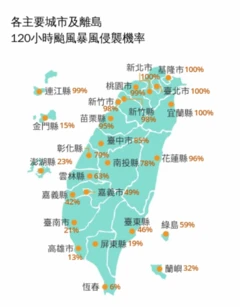
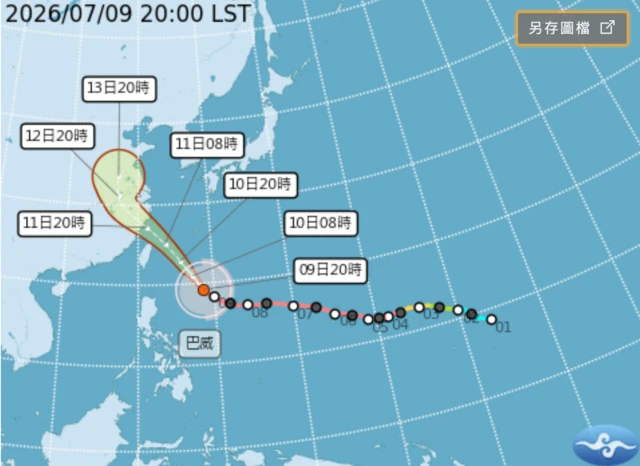

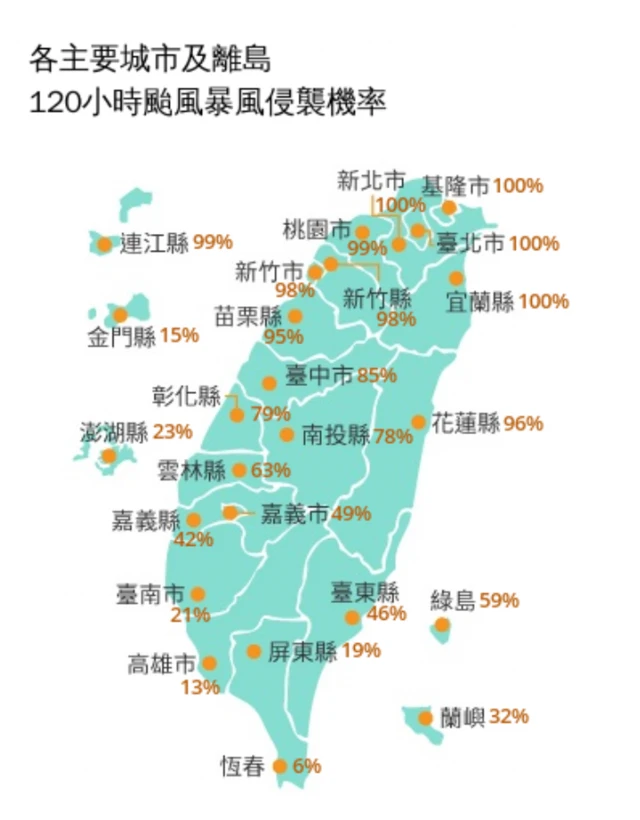

Typhoon Bawei, which weakened from super-typhoon to strong-typhoon strength on July 10, is moving northwest at 15-20 kilometers per hour toward the Zhejiang-Fujian coast. The China Meteorological Administration forecasts landfall between July 11 evening and July 12 early morning near Fuqing, Fujian to Wenling, Zhejiang, at strong-typhoon or typhoon strength with winds of 40-48 meters per second (13-15 on the Beaufort scale).
The typhoon's 7-level wind radius spans 450-500 kilometers, the largest for any storm issuing warnings in Taiwan in the past 30 years. Despite weakening, Bawei maintained super-typhoon status for over 135 hours. Its massive cloud system, approximately 1,000 kilometers in diameter, is expected to bring destructive winds, extreme rainfall, storm surge, and giant waves to Taiwan and eastern China. Northern Taiwan, northeastern coastal areas, and islands including Lanyu and Lyudao may experience gusts exceeding 50 meters per second (12+ Beaufort scale).
Emergency responses across the region are at maximum levels. Taiwan has issued typhoon warnings as of July 10 early morning, with 10 counties and cities declaring full-day closures of schools and workplaces. In Zhejiang Province, multiple prefecture-level cities including Wenzhou and Taizhou have activated Level II emergency responses and implemented "five stops" measures: halting outdoor gatherings, construction work, production, transportation, and business operations. Authorities report evacuating thousands of people from coastal areas, with Wenling having transferred over 2,000 residents by July 10 afternoon.
China's central and eastern provinces face rain extending inland from the typhoon's outer circulation. Taiwan's northern and central regions may receive 250-700 millimeters of rain, while Zhejiang, Fujian, and adjacent areas expect heavy to extreme rainfall. Secondary hazards including landslides, mudslides, and flash floods threaten mountainous regions. Shanghai is on blue alert with forecasted gusts of 8-9 knots on July 11-13, with extreme scenarios potentially bringing 12-14 knot winds. Multiple railway lines have suspended service; Beijing's suburban S-series trains and regional rail lines including Chengsui, Huaidmi, and Jiujiang routes are operating under suspension protocols.
Governments at all levels emphasize bottom-line defense objectives: preventing dam failures, preventing urban-scale flooding, and preventing mass casualties. Zhejiang Province's leadership has ordered layer-by-layer personnel deployment to affected areas, mandatory evacuation of at-risk populations, control of water resources across interconnected networks, and 24-hour duty shifts through storm passage.
Why This Matters
Typhoon Bawei represents an extreme weather event requiring immediate protective action across Taiwan and eastern China. The storm's record-large wind field and maximum-level emergency protocols signal critical risk to infrastructure, livelihoods, and public safety. Mass evacuations, transportation shutdowns, and "five stops" directives indicate governments are mobilizing resources to prevent catastrophic loss. Readers in affected regions need clarity on landfall timing, wind intensity, and mandatory closure schedules to ensure family safety and comply with restrictions.
Timeline & Sources
Jul 9, 2026
WireTyphoon Bawei maintains super typhoon status with exceptionally large wind radius; Taiwan Central Meteorological Administration issues marine typhoon warning in afternoon
Jul 9, 2026
WireTaiwan Meteorological Administration issues marine typhoon warning for Bawei
Jul 13, 2026
WireBawei's influence diminishes over central China; Northeast China enters secondary impact period
Jul 13, 2026
WireEnd of primary impact window for Shanghai and surrounding regions
Sources
- 颱風巴威來襲:近30年暴風半徑最大,台灣10縣市停班停課bbc_zhongwenMediaJul 10, 2026
- 颱風巴威最快明晨發陸警 路徑擺盪不排除登陸 氣象署說明最新颱風動態、路徑【不斷更新】Yahoo新聞MediaJul 9, 2026
- 台风“巴威”强度变了,路径也有调整ifengMediaJul 10, 2026
- “巴威”将形成远距离暴雨,预计11日晚在浙闽沿海登陆ifengMediaJul 10, 2026
- 浙江:牢牢守住不出现大江大河水库决堤溃坝、不出现城市大面积长时间积水、不出现群死群伤“三条底线”ifengMediaJul 10, 2026
- 人防技防双向发力 浙江供销筑牢护农保粮“防风墙”搜狐网MediaJul 10, 2026
- 多地宣布停课、停工、停产、停运、停业ifengMediaJul 10, 2026
- 台风巴威来袭,浙江温州发布《告全体市民书》ifengMediaJul 10, 2026
- 台风“巴威”加强为强台风级ifengMediaJul 10, 2026
- 台風9号(2026年) - 日本気象協会 tenki.jptenki.jpMediaJul 10, 2026