Geo
Jun 19, 20261
69%
Costa Defends Moscow Contacts to EU Leaders Amid Criticism
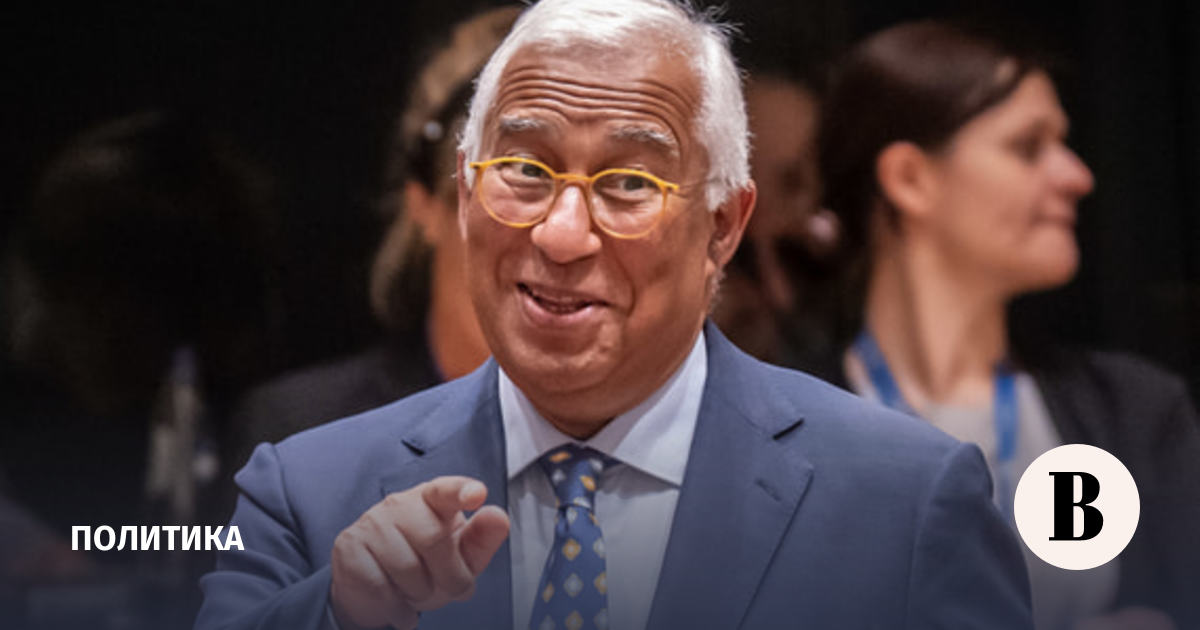
António Costa, President of the European Council, defended his diplomatic contacts with Russia to EU leaders, claiming they were limited preliminary consultations aimed at preparing for potential peace negotiations. The move faced sharp criticism from multiple EU members who complained they were not informed of the initiative, with some learning about the contacts only through media reports.

Quick Facts
Who
António Costa
What
Costa explained diplomatic contacts with Moscow to EU leaders
When
June 17, 2026 (Bloomberg initial report)
Where
European Council
- Costa explained diplomatic contacts with Moscow to EU leaders
- A key adviser conducted telephone conversations with a senior Russian official
- Costa defended his actions as preparation for future negotiations
- EU leaders criticized the lack of transparency
- Several leaders learned of contacts only through media reports
António Costa, President of the European Council, was forced to explain his diplomatic contacts with Russia to EU leaders at a recent meeting, according to Bloomberg. Costa defended his actions, stating they were aimed at preparing for potential future negotiations with Russia and served the EU's interests. He emphasized that his team had engaged only in preliminary consultations regarding a possible peace process, describing the contacts as limited in scope. Costa also justified his involvement by noting that his role as head of the institution coordinating EU leader meetings made it logical for him to represent the bloc in such diplomatic initiatives.
The controversy surrounding Costa's approach stems from revelations that one of his key advisers had conducted two telephone conversations with a senior Russian official characterized by Bloomberg as close to President Putin. These contacts emerged as part of broader discussions about resolving the Ukraine conflict. The revelation sparked significant backlash from multiple EU member states, with Politico reporting on June 19 that several EU leaders criticized the lack of transparency surrounding these diplomatic efforts.
The criticism has been particularly sharp, with some EU member state leaders complaining that they were not informed about Costa's initiatives beforehand. According to diplomats quoted by Politico, several leaders learned about the telephone calls only after they were reported in the media, prompting expressions of frustration and concern. This episode highlights ongoing tensions within the EU over the appropriate strategy and communication channels for addressing the Ukraine conflict and potential diplomatic engagement with Russia.
Topics
Why This Matters
Costa's secretive diplomatic outreach to Russia highlights fractures in EU unity and decision-making transparency at a critical moment for Ukraine policy. When key EU leaders learn about major foreign policy initiatives only through media reports, it signals potential breakdown in institutional coordination and trust—directly affecting how the bloc negotiates with adversaries and manages internal consensus on conflict resolution strategies.
Timeline & Sources
Jun 17, 2026
WireBloomberg reports that Costa is taking steps to establish contacts with Russia amid discussions about Ukraine peace negotiations
Jun 19, 2026
WirePolitico reports criticism from EU leaders who were not informed of Costa's diplomatic initiatives
Jun 19, 2026
WireCosta meets with EU leaders and defends his diplomatic contacts with Moscow