
Oct 18·Geo
Follow-up 15h ago6
91%
Rubio visits Central Asia to expand U.S. economic ties and critical minerals access
U.S. Secretary of State Marco Rubio visited Uzbekistan in October 2026 leading a C5+1 ministerial meeting and business delegation of nearly 300 American executives to discuss trade, investment, and critical minerals cooperation with five Central Asian nations. Rubio framed the visit as the beginning of sustained U.S. economic engagement with the resource-rich region, emphasizing fair competition without asking countries to cease relations with China or Russia, while highlighting billions of dollars in potential commercial agreements.
Quick Facts
- C5+1 ministerial meeting
- Business delegation visit
- Commercial agreements discussions
- Critical minerals cooperation talks
- Bilateral meetings with regional foreign ministers
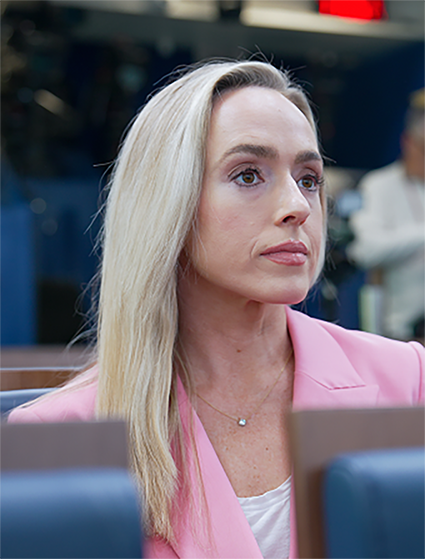
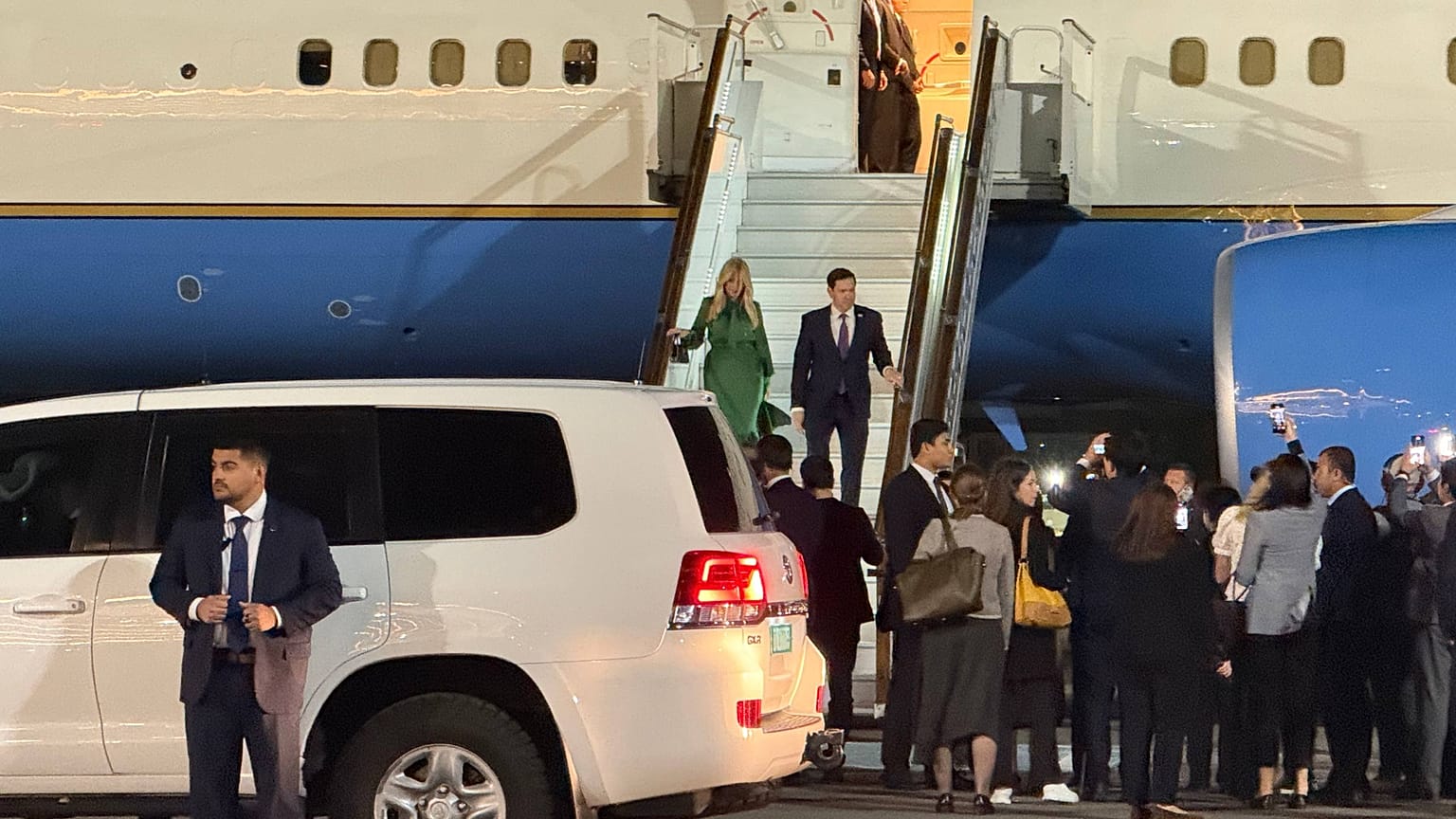

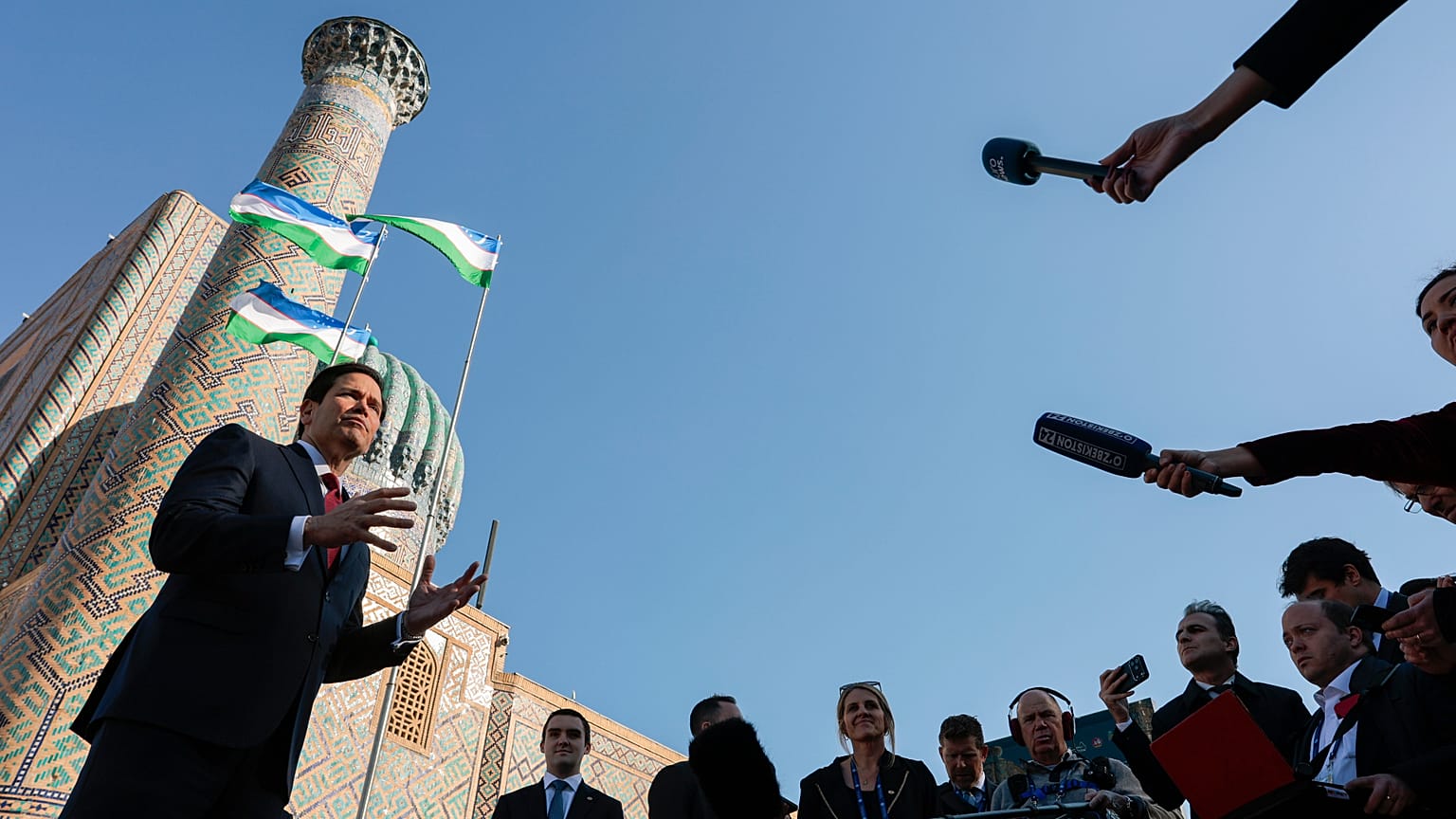
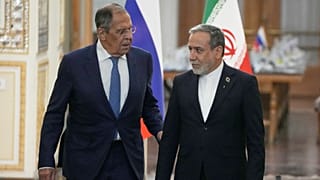
U.S. Secretary of State Marco Rubio arrived in Samarkand, Uzbekistan, on October 18, 2026, for a C5+1 ministerial meeting bringing together the United States, Kazakhstan, Kyrgyzstan, Tajikistan, Turkmenistan, and Uzbekistan. The visit marks a significant diplomatic push to deepen American economic and security engagement with the resource-rich region, accompanied by nearly 300 American business representatives discussing potential agreements valued in the billions of dollars.
Rubio emphasized that the U.S. seeks fair competition and new commercial opportunities in Central Asia without demanding that regional governments cease their economic relationships with other countries, including China and Russia. Speaking in Samarkand, he stated that American goods and services can compete with other producers globally, and framed the visit as the beginning of sustained U.S. engagement with a region he believes American policymakers have historically overlooked. He identified critical minerals—including manganese, titanium, and cobalt used in advanced manufacturing and energy systems—as a key area for potential cooperation, arguing that supply chain diversification benefits the entire world, not just the United States.
The C5+1 framework, established in 2015, has expanded significantly since Trump's November 2025 White House summit, where over $25 billion in commercial agreements and commitments were announced across aviation, agricultural equipment, railway infrastructure, and mineral development. According to U.S. government figures, bilateral trade with Kazakhstan reached $7.1 billion and with Uzbekistan $1.7 billion in 2025. The October 2026 ministerial meeting produced a joint statement proposing expanded mineral extraction and processing, improved transport connections, regional supply chain development, and digital cooperation using secure technology.
Rubio's visit occurs amid broader U.S. efforts to compete with Chinese and European economic initiatives in Central Asia. The European Union announced a €12 billion Global Gateway investment package in April 2025 covering transport, critical raw materials, energy, and digital connectivity. Observers noted that Central Asian governments maintain extensive economic relationships with both Russia and China while seeking additional investment and technology from the United States, positioning themselves as bridges between multiple partners rather than choosing exclusive alignments.
The visit has also drawn commentary on Rubio's diplomatic priorities. While serving as both Secretary of State and National Security Adviser, Rubio has concentrated on Latin America, NATO relations, and now Central Asia, with other officials delegating responsibility for more immediate crises in the Middle East and Russia-Ukraine war. The State Department defended this approach, stating that Rubio's responsibility is to help the president develop broader strategy rather than maintain a public profile on every challenge, and that significant diplomatic work often occurs outside public view.
Why This Matters
The U.S. is expanding direct commercial engagement with Central Asia's resource-rich economies through a structured diplomatic framework. Nearly 300 American executives are negotiating billion-dollar deals in critical minerals (manganese, titanium, cobalt), transport, and digital infrastructure—sectors that affect U.S. supply chain resilience and manufacturing competitiveness. Central Asian governments simultaneously maintain major economic ties with China and Russia, making the region a competitive market for investment and technology access rather than an exclusive alignment choice. Measured outcomes include joint commitments on mineral extraction, processing, and transport corridor development to be tracked against existing EU investment ($12 billion) and prior U.S. bilateral trade volumes ($7.1 billion with Kazakhstan, $1.7 billion with Uzbekistan in 2025).
Timeline & Sources
Jan 1, 2023
WirePresidential-level C5+1 meeting hosted by President Joe Biden
Oct 18, 2026
WireRubio arrives in Samarkand, Uzbekistan, accompanied by nearly 300 American business representatives
Oct 19, 2026
WireC5+1 ministerial meeting held in Samarkand; joint statement released proposing expanded cooperation on minerals, transport, and digital technology
Sources
- Rubio Visits Uzbekistan Seeking Strong Central Asia PartnershipbloombergWireOct 19, 2026
- Marco Rubio arrives in Uzbekistan for C5+1 talksEuronews.comMediaOct 18, 2026
- Rubio heads to Central Asia as some wonder if he's keeping the most pressing matters at a distancePBSMediaOct 18, 2026
- US not competing with China or Russia for influence in Uzbekistan — top diplomattassMediaOct 19, 2026
- US is coming to Central Asia with deals to stay, Rubio tells EuronewsEuronews.comMediaOct 19, 2026
- 鲁比奥盯上中亚关键矿产,扯上中国guanchaMediaOct 20, 2026