
Sep 19·Science
Follow-up 1h ago Major6
100%
Indonesian Influencer Jule Arrested Over Etomidate Vape Use, Assigned to Rehabilitation
Indonesian influencer Jule was arrested on September 14, 2026, after testing positive for etomidate, an anesthetic substance used via vape, but police classified her as a user and assigned her to rehabilitation rather than prosecution. The case uncovered a distribution network involving two women distributors and a Chinese national supplier.
Quick Facts
- Content creator arrested for use of etomidate via vape
- Four vape cartridges found (three empty, one filled)
- Urine test confirmed positive for etomidate
- Two companions tested negative
- Classified as user under restorative justice framework


/data/photo/2026/09/19/6aae5fddd41e3.jpg)
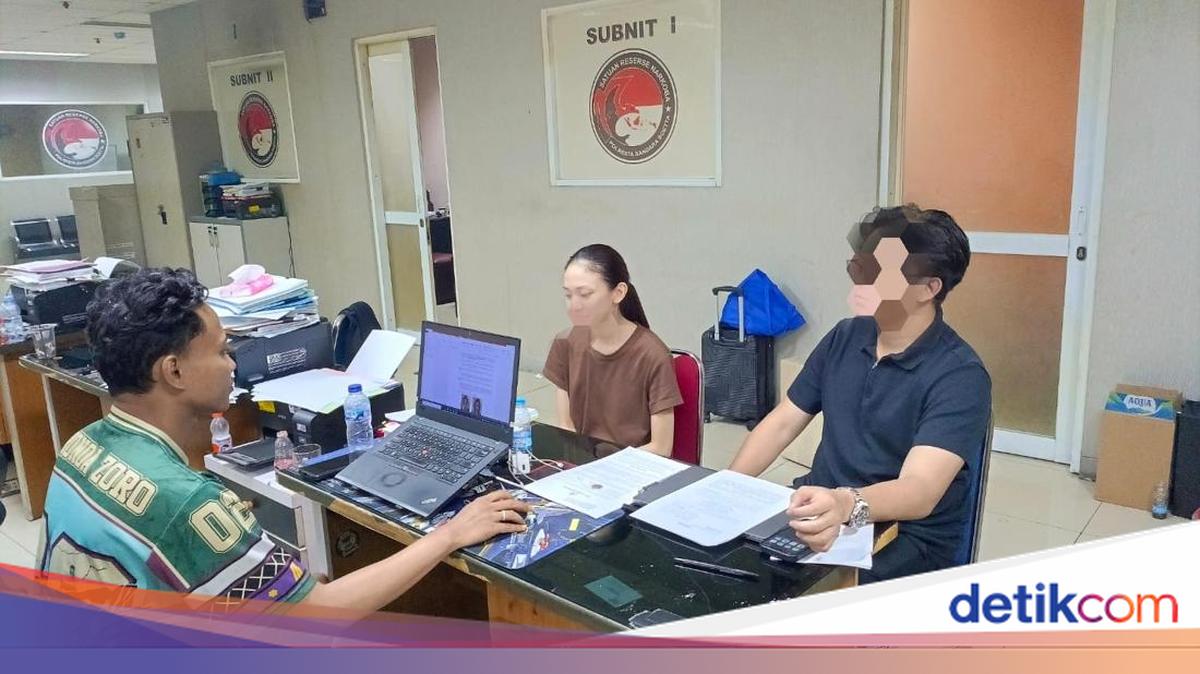
Indonesian content creator Julia Prastini, known as Jule, was arrested on September 14, 2026, at an apartment in Cilandak, Jakarta Selatan, after police discovered she had used etomidate—an anesthetic substance—via vape cartridges. The arrest followed a controlled delivery operation in which Jule received a package containing one vape cartridge with etomidate. During the search of her apartment, police found four cartridges total: three empty and one still filled with the substance. A urine test confirmed Jule tested positive for etomidate, while two friends present at the time tested negative and were released.
According to police statements, Jule stated she had used the substance for approximately two to three weeks, citing personal reasons and stress as her motivation. Investigators found no evidence on her phone indicating she was involved in distribution, sale, or ordering of etomidate. Based on this evidence, police classified her as a user rather than a suspect and applied restorative justice procedures, transferring her to the National Narcotics Agency (BNNP) for rehabilitation rather than prosecution.
The case originated from the arrest of two women, RR and RN, at an apartment in Jakarta Barat on September 14, where police found 27 vape cartridges containing etomidate. Investigation revealed the substance came from a Chinese national, XC, who was arrested at a hotel in Jakarta Barat. Police found 71 additional cartridge vapes in his possession. RR, RN, and XC were designated as suspects facing charges under Law No. 35 of 2009 on narcotics; RR and RN are classified as distributors, and XC as the main supplier. Police reports indicate the network sold the cartridges for approximately 700,000 Indonesian Rupiah each using word-of-mouth marketing.
Why This Matters
The arrest and classification of Jule as a user rather than a suspect under Indonesia's restorative justice framework illustrates how law enforcement differentiates drug consumption from distribution in controlled substance cases. The uncovering of the etomidate vape distribution network—involving 98 cartridges seized from two distribution points and a supplier—indicates an emerging drug delivery method via inhalation cartridges. Jule's transfer to rehabilitation instead of prosecution affects how her legal status and public profile are managed; the network arrests of the distributors and supplier will proceed under Law No. 35 of 2009. The case documents pricing (approximately 700,000 Indonesian Rupiah per cartridge) and word-of-mouth marketing channels used to move the product.
Timeline & Sources
Sep 14, 2026
WirePolice arrest RR and RN at apartment in Jakarta Barat; 27 etomidate cartridges found
Sep 14, 2026
WireJule arrested at apartment in South Jakarta; four vape cartridges seized; urine test conducted
Sep 19, 2026
WirePolice issue official statement; police apprehend XC at hotel in Kembangan with 71 cartridges
Sep 19, 2026
WirePolice release statement; Jule classified as user under restorative justice and transferred to BNNP for rehabilitation
Related Signals
- GeoRelated Topic
37 suspected illegal miners die in NSCDC custody in Niger State
Follow-up 1d ago
- ScienceRelated Topic
NHS Trust Admits 20 Unnecessary Mastectomies; 315 Patients Harmed
Follow-up 2d ago
- GeoRelated Topic
Amnesty report names 87 Iranian officials for crimes against humanity in 2022 protests
Follow-up 2d ago
Sources
- Kondisi Jule Bersama 2 Teman Saat Ditangkap di ApartemendetikHOTMediaSep 19, 2026
- Hasil Tes Urine Selebgram Jule Positif Narkoba EtomidateKompas.comMediaSep 19, 2026
- Polisi Temukan 4 Cartridge Vape Berisi Etomidate di Apartemen Jule - kumparan.comKumparan.comMediaSep 19, 2026
- Saat Selebgram Jule Terjerat Narkoba Vape Etomidate, Berujung Rehabilitasi - kumparan.comKumparan.comMediaSep 21, 2026
- Selebgram Jule Ditangkap Pakai Etomidate, akan DirehabilitasiTirto.idMediaSep 19, 2026
- Potret Selebgram Jule Diperiksa Polisi Usai Terciduk Kasus Vape NarkobadetikNewsMediaSep 21, 2026