Geo
Jun 18, 20261
69%
Kremlin Propagandist Solovyev Calls for Russians to Flee While Threatening 'Extermination' of Panicked Citizens
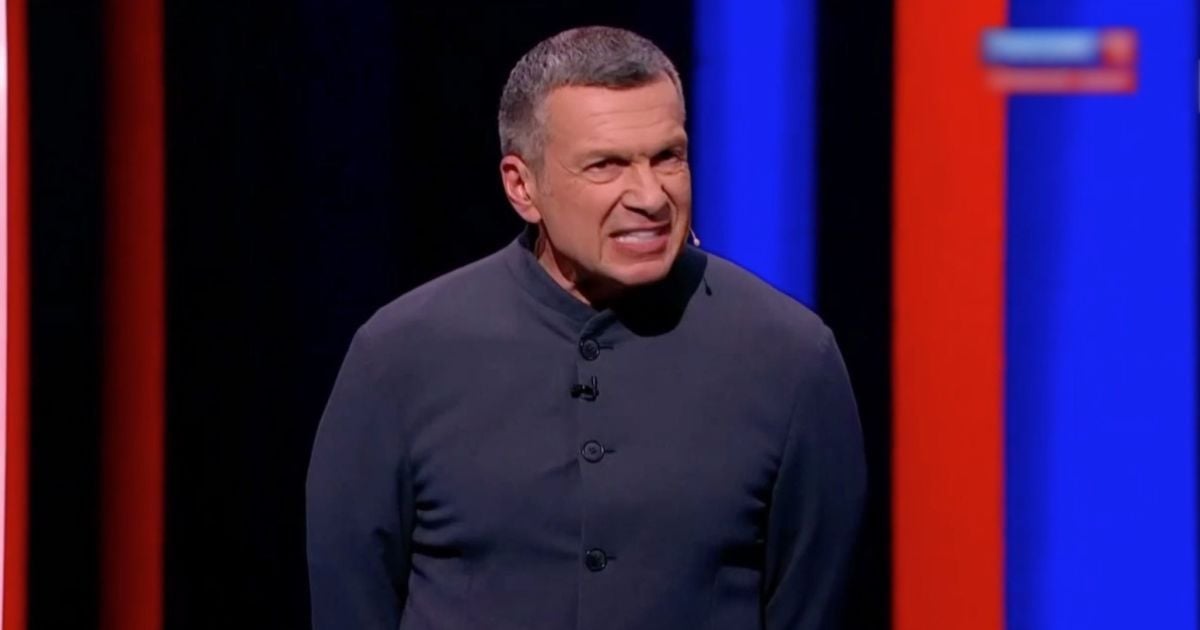
Russian propagandist Vladimir Solovyev made contradictory statements during a June 18 broadcast, calling for Russians to flee the country while threatening 'extermination' of those who panic, citing Stalinist rhetoric. His comments coincided with Moscow experiencing one of its largest-scale attacks, causing significant disruption to aviation and transport.



Quick Facts
Who
Vladimir Solovyev
What
Solovyev broadcast inflammatory statements on state television
When
June 18, 2026
Where
Moscow, Russia
- Solovyev broadcast inflammatory statements on state television
- Called for Russians to flee the country
- Threatened extermination of panicked citizens
- Invoked Stalinist rhetoric and Order No. 227
- Moscow experienced large-scale drone attacks
Russian state television personality Vladimir Solovyev made contradictory and inflammatory statements during a morning broadcast on June 18, initially dismissing the emotional reactions of Moscow residents to attacks on the capital as hysteria, before pivoting to call for their departure from Russia. Speaking in a calm tone, Solovyev suggested that those showing fear should either leave the country or face 'extermination,' invoking Stalinist rhetoric. He characterized fearful citizens as traitors and proposed implementing military censorship, citing Stalin's Order No. 227 ("Not a Step Back") from World War II.
Solovyev's contradictory messaging reflected the tension between the state's demand for public stoicism during wartime and the visible panic spreading through Moscow's civilian population. He initially urged residents not to panic and to draw strength from family histories, arguing that Russia was engaged in a war that society had endorsed. However, he then reversed course, telling those he deemed weak or lacking 'Russian spirit' to leave the country and follow the path of traitors.
The broadcast came as Moscow experienced one of the largest-scale attacks since the beginning of Russia's military campaign. Numerous strike drones targeted the capital's oil refinery, causing extensive disruption to civilian aviation operations and restricting general transportation movement throughout the city. Residents reported widespread panic, with many expressing fear that Moscow was burning and calling for an end to the conflict. The timing of Solovyev's inflammatory rhetoric alongside the significant attack highlighted the growing strain between official narratives and public anxiety about the ongoing military situation.
Why This Matters
Solovyev's contradictory messaging reveals deep fractures in Russia's propaganda apparatus and public morale during wartime. His simultaneous calls for departure and threats of extermination expose the Kremlin's failure to maintain consistent narratives as large-scale attacks intensify civilian panic. For international observers, this demonstrates the widening gap between state control efforts and the visible erosion of public confidence in official leadership during active military conflict.