
Yesterday·Emerging
Follow-up 15h ago Major5
100%
Brazil's Tight Presidential Runoff Poses Strategic Balancing Act
Brazil's October 25 presidential runoff between Lula and Flávio Bolsonaro is statistically too close to call, with major implications for Brazil's geopolitical alignment. While a Bolsonaro win could accelerate U.S. alignment and reduce BRICS engagement, Brazil's deep economic dependence on Chinese trade in agriculture, mining, and energy will constrain dramatic policy shifts regardless of outcome.
Quick Facts
- Presidential runoff election held
- First-round voting conducted
- Two candidates advance to runoff
- Flávio proposed critical minerals partnership with U.S.
- Flávio suggested Brazil reassess BRICS membership
Related Insights
Brazil: front line in the struggle between hegemony and multipolarity Invent the Future · YouTube
Brazil Votes: What the Runoff Means for Global Markets and Your Money David Thorne - Apex Wealth · YouTube


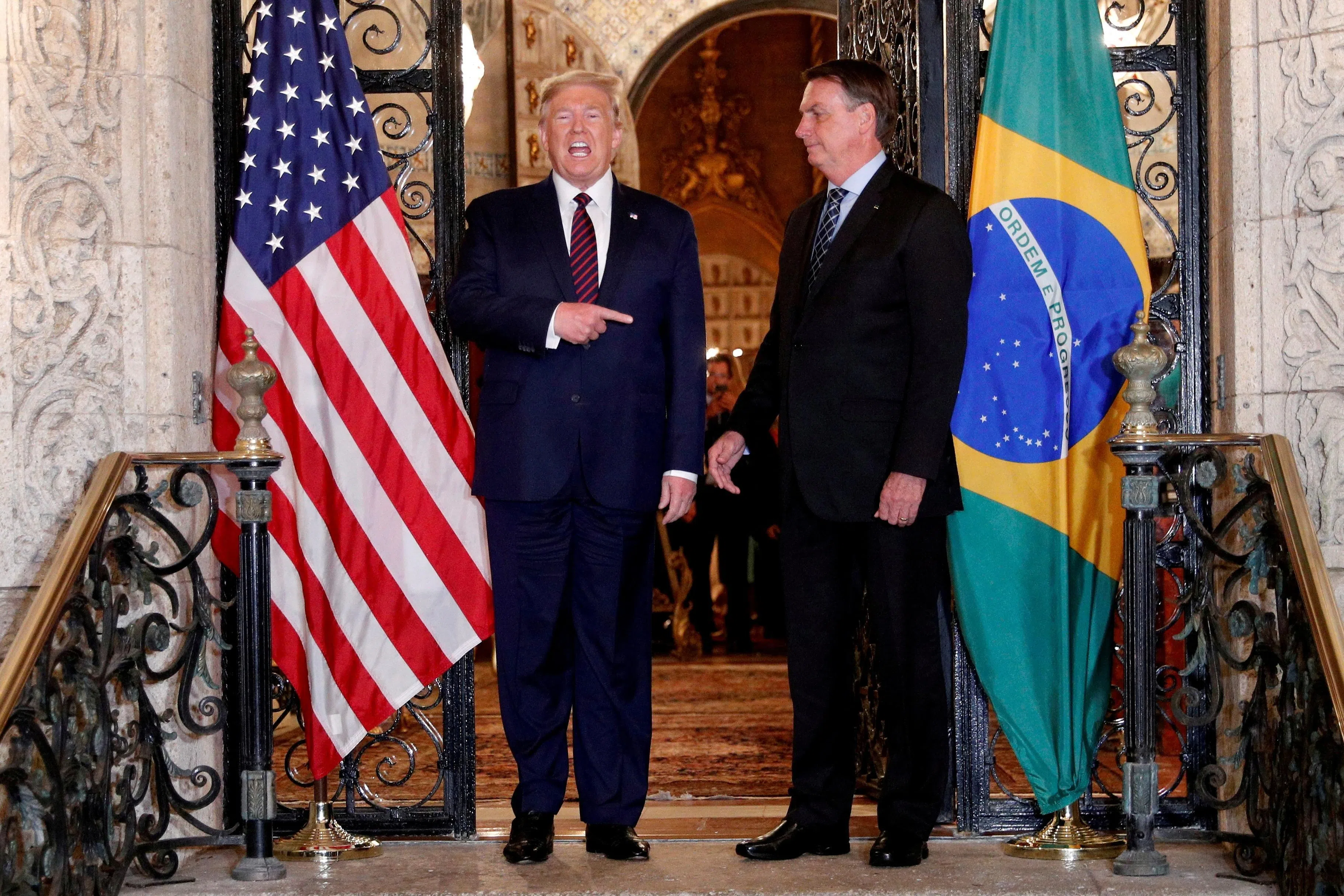

Brazil will hold a presidential runoff on October 25, 2026, between incumbent Luiz Inácio Lula da Silva and Flávio Bolsonaro, son of former president Jair Bolsonaro, in what observers describe as the country's closest election since the current electoral system began in 1989. First-round voting on October 4 gave Bolsonaro a 1.9 percentage-point lead with 47.03% to Lula's 45.16%, but recent polls show the race tightening to near-parity as voters remain deeply polarized.
The election carries significant geopolitical weight for Brazil's positioning between the United States and China. Flávio Bolsonaro, campaigning on tax cuts, tough-on-crime policies, and family values, has positioned himself as more aligned with the U.S. and former U.S. President Donald Trump. He has proposed establishing a critical minerals partnership with the U.S., citing Brazil's second-largest rare earth reserves, and has criticized Brazil's participation in BRICS, suggesting the country "reassess" its membership. Lula, 80, emphasizes multilateralism and has actively promoted Chinese investment in Brazilian energy, mining, infrastructure, and technology sectors, hosting discussions on artificial intelligence cooperation with Chinese leadership.
Brazil's economic structure complicates any dramatic policy shift. China is Brazil's largest export market, accounting for roughly triple Brazil's exports to the U.S., with Chinese purchases including approximately 79% of Brazil's annual soybean exports, plus significant iron ore, oil, and beef shipments. China's economic growth and trade policies directly influence Brazilian inflation and economic performance. Even if Bolsonaro wins, agricultural, mining, and energy industries dependent on the Chinese market will constrain radical policy realignment. Analysts expect Brazil will maintain pragmatic economic ties with China regardless of the election outcome, though diplomatic engagement and multilateral cooperation frameworks may shift.
Analysts note Brazil faces a structural "hedging" dilemma: it depends on the U.S. for security and the U.S. maintains Western Hemisphere military dominance, yet derives its major economic partnership from China. A Bolsonaro victory could accelerate Brazil's political and security alignment with the U.S. and reduce enthusiasm for BRICS cooperation, but deep trade interdependencies and domestic industry lobbying will likely prevent wholesale policy reversal. Scholars suggest Brazil, like other Latin American nations, is unlikely to choose sides outright but instead pursue strategic autonomy through careful balancing.
Voter motivation remains mixed, with surveys indicating significant numbers of supporters voting against a candidate rather than for one. Pedro Doria, editor of MEIO media in Rio de Janeiro, noted the polarization: roughly one-third of Lula's voters oppose Bolsonaro rather than support Lula, while approximately half of Bolsonaro's voters oppose Lula rather than favor Bolsonaro. Concerns among voters center on economic stagnation, corruption, healthcare, and education.
Why This Matters
Brazil's October 2026 runoff will influence its alignment between U.S. security partnerships and Chinese trade dependence. A Bolsonaro victory could shift Brazil toward U.S. alignment and reduce BRICS participation; a Lula victory would likely maintain multilateral engagement. However, China accounts for roughly 3× Brazil's exports to the U.S., including 79% of soybean shipments, plus iron ore, oil, and beef—meaning agricultural, mining, and energy industries will constrain radical policy reversal regardless of outcome. Investors, trade partners, and multilateral institutions will track diplomatic signals and trade policy changes after the election; BRICS membership, rare earth export frameworks, and Chinese infrastructure deals are measurable indicators of post-election orientation.
Timeline & Sources
Jan 1, 2022
WireLula defeated Jair Bolsonaro; Jair Bolsonaro convicted of coup plotting
Oct 4, 2026
WireFirst round of Brazil's presidential election; Flávio receives 47.03%, Lula 45.16%
Oct 23, 2026
WireRecent polls show runoff tightening to 47% (Flávio) vs. 46% (Lula); election coverage intensifies
Oct 25, 2026
WireBrazil's presidential runoff election
Sources
- Bolsonaro Trade Faces Reckoning in Too-Close-to-Call Brazil VotebloombergWireOct 23, 2026
- ¿Qué está en juego en el balotaje entre Lula y Bolsonaro?bloombergWireOct 23, 2026
- A polarized Brazil heads to presidential vote Sunday with economy, corruption top of mindCBCMediaOct 23, 2026
- 特稿:巴西总统选举牵动中美巴关系 中巴合作面临变数zaobaoMediaOct 23, 2026
- 巴西大选胶着,谁上台都绕不开的“对冲”难题guanchaMediaOct 23, 2026